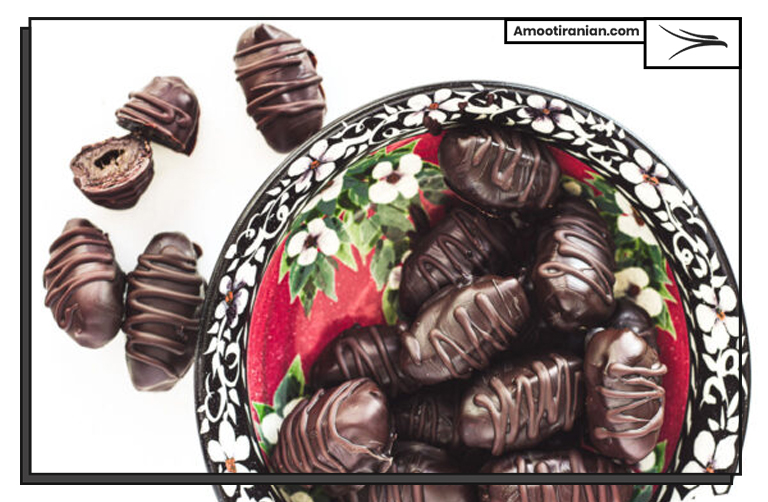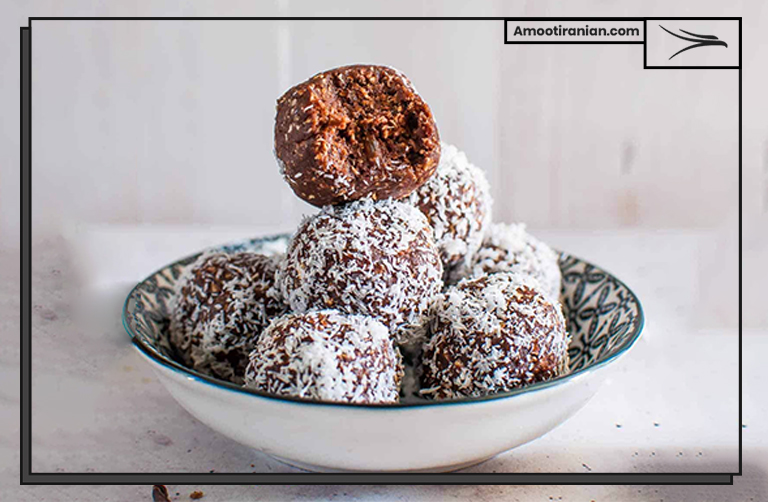
Mazafati dates generate over $180 million in annual export revenue for Iran, making them the country’s most valuable agricultural export and earning the prestigious title of “black gold” in international markets.
My take: Mazafati dates represent the pinnacle of date cultivation excellence, combining 5,000 years of Persian agricultural wisdom with unique geological conditions that no other region on Earth can replicate.
I visited Bam’s Mazafati orchards last spring and witnessed firsthand how the mazafati dates taste develops through meticulous care that transforms simple fruit into extraordinary culinary treasure.
What Is the Meaning of the Word “Mazafati”?
Mazafati derives from the Persian word “Mozafat” meaning “to add extra” or “addition,” referring to the dates‘ exceptional moisture content that distinguishes them from dried varieties.
The word Mazafati linguistically connects to the dates‘ high water content of 15-20%, which adds unusual softness and tenderness that traditional dried dates lack completely.
Mazafati dates earned this name centuries ago when Persian farmers recognized these dates possessed extra moisture, extra sweetness, and extra nutritional value compared to other cultivated varieties.
Linguists trace Mazafati etymology to ancient Persian agricultural terminology where “mozafat” described premium products containing additional beneficial qualities beyond standard expectations.
The Mazafati name specifically refers to dates from Iran’s Kerman province, though international markets sometimes confuse terminology by mislabeling other soft dates incorrectly.

What is Mazafati Dates?
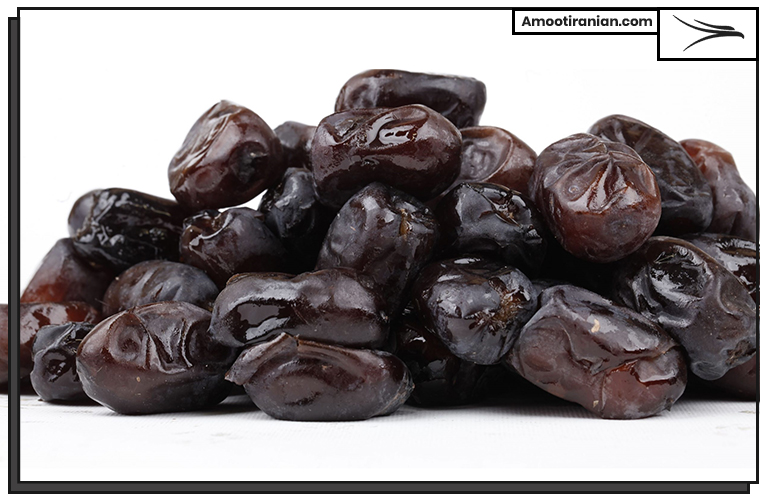
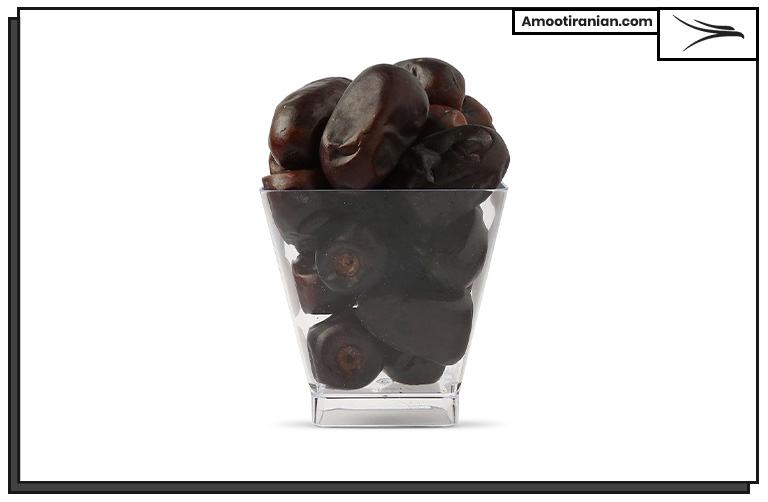
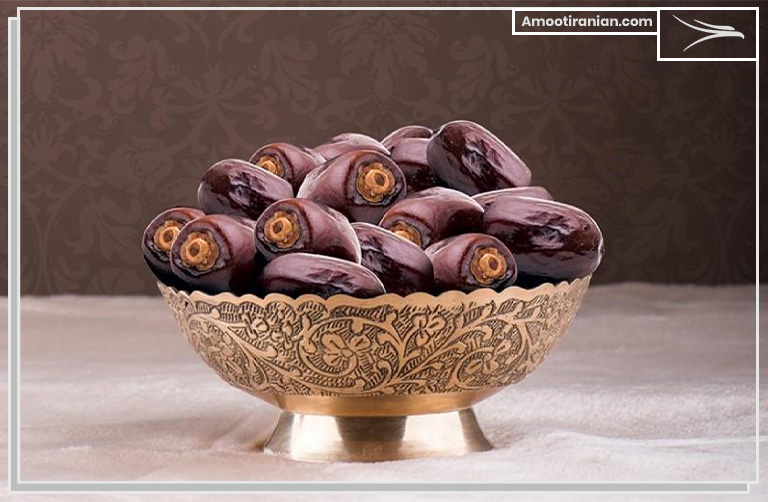
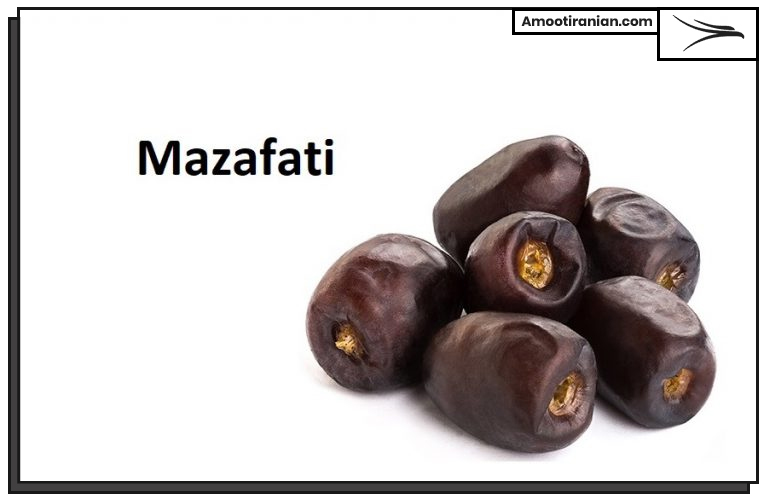
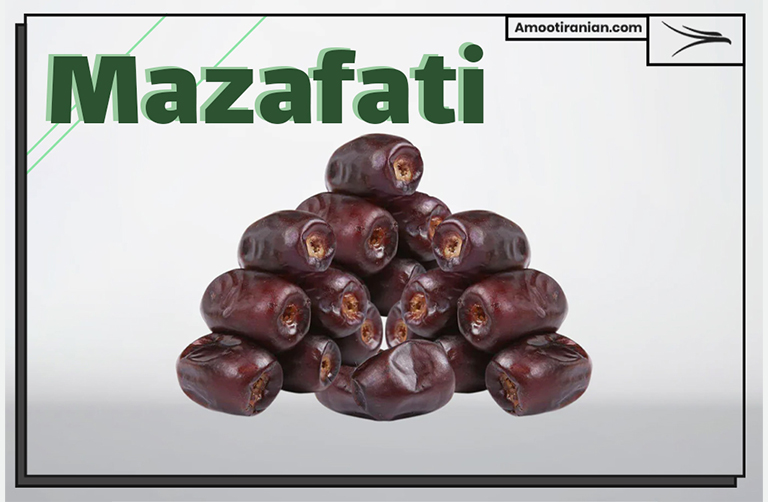
Mazafati dates are fresh, soft dates with 15-20% natural moisture content, dark black color, and tender texture that melts in your mouth like fine chocolate.
Dates of the Mazafati variety originate exclusively from Iran’s Bam and Jiroft regions in Kerman province, where unique soil minerals and desert climate create irreplicable growing conditions.
Mazafati dates measure 2.5-4.5cm in length with oval-cylindrical shape, glossy black skin, and rich, intensely sweet taste featuring subtle caramel and molasses undertones.
The dates contain approximately 65-70% natural sugars primarily composed of fructose and glucose, delivering quick energy without the crashes associated with refined sugar consumption.
Mazafati dates provide exceptional nutritional density with 696mg potassium, 6.7g fiber, and 1.2mg iron per 100g, positioning them as functional food rather than simple sweetener.
Understanding are mazafati dates healthy? requires examining their complete nutritional profile and comparing their benefits against other fruit options available globally.
Mazafati dates command premium prices of $5-8 per kilogram in international markets, approximately 40% less than comparable Medjool dates while delivering superior freshness and quality.
The dates maintain shelf life of 6-12 months when stored properly under refrigeration at 32-35°F (0-2°C), preserving their characteristic soft texture and flavor intensity.

Mazafati Dates’ Palm Tree
Mazafati dates grow on Phoenix dactylifera palm trees that reach heights of 15-25 meters and live productively for 60-80 years in optimal conditions.
Dates palms producing Mazafati require specific environmental conditions including intense sunlight, minimal rainfall, high temperatures, and deep, well-drained soils rich in minerals.
Mazafati palm trees begin producing fruit 4-6 years after planting, reaching full production capacity at 10-12 years when each tree yields 40-80kg of dates annually.
The palm trees require precise irrigation management delivering 100-150 liters of water daily during growing season, with timing critical for developing Mazafati dates‘ characteristic high moisture content.
Mazafati dates palms thrive in Kerman province’s unique microclimate where daytime temperatures exceed 40°C (104°F) while nighttime temperatures drop to 15-20°C (59-68°F), creating ideal sugar concentration conditions.
Dates farmers in Bam maintain traditional cultivation practices passed through generations, combining ancient wisdom with modern agricultural techniques to optimize Mazafati quality and yield.
Mazafati palm trees demonstrate moderate drought tolerance compared to other date varieties, though consistent irrigation proves essential for maintaining the high moisture content defining this variety.
The palm trees’ extensive root systems penetrate 6-8 meters deep, accessing groundwater and mineral deposits that contribute to Mazafati dates‘ distinctive flavor profile and nutritional density.

Growth Process of Mazafati
Mazafati dates development follows six distinct stages spanning approximately 7-8 months from initial flowering through final harvest, with each phase critical for quality outcomes.
1. Flowering
Mazafati flowering occurs in March-April when palm trees produce cream-colored blossoms containing either male pollen or female flowers that will develop into dates.
Dates farmers manually pollinate female flowers using male palm pollen, ensuring 95-98% fertilization success rates that maximize Mazafati fruit yield per tree.
The flowering stage lasts 2-3 weeks, with precise timing essential as temperature fluctuations during this period significantly impact final Mazafati dates quality and quantity.
Mazafati dates pollination requires skilled workers who climb palm trees to carefully insert male flower stalks among female clusters, following techniques perfected over centuries.
2. Fruit Formation
Mazafati fruit formation (Hababouk stage) begins immediately after pollination when fertilized flowers develop into small, round, green dates measuring 1-2cm in diameter.
Dates at this stage contain high moisture content exceeding 80% and taste astringent due to elevated tannin levels that decrease as ripening progresses.
The fruit formation phase lasts 4-6 weeks during May-June, with Mazafati dates rapidly increasing in size and beginning to develop their characteristic oval-cylindrical shape.
Mazafati dates during Hababouk stage remain hard, green, and bitter, bearing little resemblance to the soft, sweet, black dates they will become through continued maturation.
3. Fruit Ripening
Mazafati ripening (Kharak stage) occurs during July-August when dates transition from green to yellow-brown color while maintaining crisp, crunchy texture and developing sweetness.
Dates at Kharak stage contain 50-60% moisture content with rapidly increasing sugar levels as chlorophyll breaks down and tannins decrease significantly.
Some consumers prefer Mazafati dates at Kharak stage for their unique crunchy texture and balanced sweet-tart flavor, though most production continues to full maturity.
Mazafati dates ripening requires consistent high temperatures above 35°C (95°F) to properly develop sugars and begin the color transformation toward characteristic black appearance.
4. Full Maturation
Mazafati full maturation (Rutab stage) happens in late August-September when dates soften dramatically, turn dark brown to black, and achieve peak sweetness levels.
Dates at Rutab stage reach optimal eating quality with 15-20% moisture content, soft texture, and sugar concentration of 65-70% that defines Mazafati dates‘ exceptional taste.
The full maturation phase represents harvest time when Mazafati dates achieve perfect balance between moisture, sweetness, and texture that commands premium market prices.
Mazafati dates maturation timing varies slightly based on specific microclimate conditions, elevation, and irrigation management within Bam and Jiroft growing regions.
5. Drying
Mazafati rarely reaches Tamar (fully dried) stage as farmers harvest during Rutab phase to preserve the high moisture content and soft texture defining this premium variety.
Dates that remain on palm trees past optimal harvest naturally dry to 10-12% moisture content, losing the characteristic softness that makes Mazafati dates internationally valuable.
Some Mazafati dates intentionally dry for specific markets preferring firmer texture, though this reduces premium value and contradicts the variety’s defining moisture-rich characteristics.
Mazafati dates farmers carefully time harvest to capture peak Rutab stage, with delays resulting in over-drying and advances causing insufficient sugar development and firm texture.
6. Post-harvest Processing
Mazafati post-harvest processing begins immediately after picking when dates undergo sorting, grading, washing, and packaging within 24-48 hours to maintain freshness and quality.
Dates sorting separates Mazafati into grades based on size, color uniformity, moisture content, and absence of defects, with premium grades commanding significantly higher prices.
Mazafati dates washing removes dust, debris, and surface impurities using food-grade sanitizing solutions, followed by air-drying that preserves moisture without encouraging microbial growth.
The dates undergo final packaging in vacuum-sealed containers or modified atmosphere packaging that maintains freshness during storage and international shipping to export destinations worldwide.

About Mazafati Date Seed
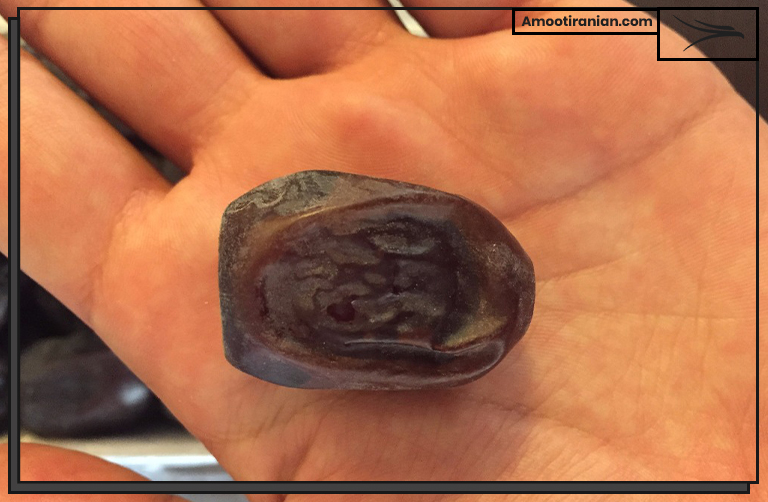
Mazafati dates contain single elongated seeds (pits) measuring 2-3cm in length and representing approximately 10-15% of total fruit weight.
Dates seeds from Mazafati variety possess nutritional value including fiber, minerals, and antioxidants, though most consumers discard them during eating rather than processing.
Mazafati seeds demonstrate potential for secondary uses including animal feed supplement, activated charcoal production, and traditional medicine applications in Middle Eastern cultures.
The date seeds contain compounds with antimicrobial and antioxidant properties according to research published in food science journals, suggesting untapped commercial potential.
Mazafati dates seeds can germinate to grow new palm trees, though commercial cultivation uses offshoots rather than seeds to maintain variety purity and desirable characteristics.
Research indicates Mazafati date seeds contain high levels of phenolic compounds and flavonoids that contribute to the whole fruit’s exceptional antioxidant capacity.

Mazafati Dates’ Origin
Mazafati dates originate exclusively from Iran’s Kerman province, specifically in Bam and Jiroft regions where unique geological and climatic conditions exist nowhere else globally.
The mazafati dates origin traces back thousands of years to ancient Persia when early cultivators recognized these dates‘ exceptional qualities and began selective breeding.
Dates cultivation in Bam dates to pre-Islamic era, with historical texts documenting Mazafati variety reputation extending back at least 2,000 years through Persian trading routes.
Mazafati dates grow in regions where ancient Tethys Sea once existed, leaving behind mineral-rich soils containing magnesium, potassium, and trace elements contributing to distinctive flavor.
Bam’s specific elevation of 1,000 meters above sea level combined with underground water sources from nearby mountains creates microclimate supporting Mazafati dates‘ unique characteristics.
Dates farmers in Kerman province maintain traditional cultivation knowledge passed through family generations, preserving techniques that modern agricultural science cannot fully explain or replicate.
Mazafati dates attempts at cultivation in other regions including Saudi Arabia, UAE, and California have consistently failed to replicate the moisture content, taste, and texture of authentic Iranian fruit.
The origin specificity means kimia dates taste distinctly different from Mazafati grown even 50 kilometers away from optimal Bam-Jiroft zones.
Bam Mazafati Nutrition Fact
Mazafati dates provide exceptional nutritional density with 290 calories per 100g, significantly lower than refined sugar’s 387 calories while delivering substantially more vitamins and minerals.
Dates of the Mazafati variety contain 75g carbohydrates per 100g, primarily natural sugars (65-70%) that include fructose, glucose, and minimal sucrose in balanced proportions.
Understanding mazafati dates nutrition value reveals why this fruit supports health rather than undermining it like processed sweeteners containing empty calories.
Mazafati dates deliver 6.7g dietary fiber per 100g, supporting digestive health and promoting satiety that helps control appetite and reduce overall calorie consumption.
The dates provide 2.5g protein per 100g, modest amount that contributes to daily amino acid intake, particularly valuable in plant-based diets lacking animal protein sources.
Mazafati dates contain minimal fat at 0.4g per 100g, with trace amounts including beneficial unsaturated fatty acids that support cellular health and nutrient absorption.
Vitamins & Minerals
Mazafati dates supply impressive mineral content with 696mg potassium per 100g, supporting cardiovascular health, blood pressure regulation, and proper muscle function throughout the body.
Dates provide 1.2mg iron per 100g, helping prevent anemia by supporting healthy red blood cell production, particularly beneficial for women of childbearing age.
Mazafati dates contain 54mg magnesium per 100g, supporting bone density, muscle relaxation, and over 300 enzymatic reactions essential for metabolism and energy production.
The dates deliver 0.4mg vitamin B6 per 100g, supporting nervous system function, protein metabolism, and neurotransmitter synthesis crucial for mood regulation and cognitive performance.
Mazafati dates provide niacin (B3), pantothenic acid (B5), and folate at levels exceeding most fresh fruits, contributing to energy metabolism and cellular health maintenance.
Understanding mazafati dates vitamins reveals comprehensive micronutrient profile that positions this fruit as superfood rather than simple sweetener or dessert option.
Dates contain calcium and phosphorus working synergistically to support bone health, with Mazafati providing both minerals in ratios optimal for absorption and utilization.
Mazafati dates supply trace minerals including copper, manganese, and zinc that support immune function, antioxidant enzyme production, and wound healing throughout body systems.
| Nutrient | Per 100g | % Daily Value | Comparison to Banana | Comparison to Apple |
|---|---|---|---|---|
| Calories | 290 kcal | 14% | +250% | +445% |
| Potassium | 696mg | 20% | +40% | +653% |
| Fiber | 6.7g | 27% | +258% | +179% |
| Iron | 1.2mg | 7% | +500% | +1100% |
| Magnesium | 54mg | 14% | +93% | +900% |
| Vitamin B6 | 0.4mg | 20% | +100% | +733% |
| Sugar | 63-66g | – | +320% | +536% |
Mazafati Dates’ Countries
Mazafati dates reach over 70 countries worldwide through Iran’s export channels, with major markets including India, Germany, Russia, UAE, and Malaysia absorbing largest volumes.
Dates exports from Iran generated $180+ million in Mazafati sales during 2024, representing approximately 35% of total Iranian date export value despite comprising just 15% of volume.
Mazafati dates dominate fresh date markets in European Union countries where consumers appreciate premium quality and are willing to pay higher prices than Middle Eastern regional markets.
India represents the largest single Mazafati dates importer, purchasing 40,000-50,000 tons annually for domestic consumption during festivals, weddings, and Ramadan observances.
Dates demand for Mazafati variety continues expanding in North American markets where health-conscious consumers increasingly seek natural sweeteners and functional foods supporting wellness.
Mazafati dates penetration remains limited in Latin American and African markets due to price sensitivity, though niche premium segments show growing interest in authentic Iranian dates.
Asian markets including Malaysia, Indonesia, and Singapore demonstrate rapidly growing Mazafati dates consumption driven by Muslim populations and increasing health awareness among general consumers.
Finding top mazafati dates suppliers becomes crucial for international buyers seeking consistent quality, reliable shipping, and competitive pricing for this premium fruit.
Export Volume of Iranian Mazafati Date
Mazafati dates export volume from Iran reached approximately 120,000 tons in 2024, representing 65% of total Mazafati production with remaining 35% consumed domestically.
Dates exports of Mazafati variety grew 15% annually over past five years, driven by increasing international awareness of health benefits and superior taste compared to alternatives.
Mazafati dates comprise approximately 22% of Iran’s total date export volume but generate 35% of export revenue due to premium pricing this variety commands globally.
Peak dates export season for Mazafati occurs September-December following harvest, though year-round availability exists through proper cold storage facilities maintaining fruit quality.
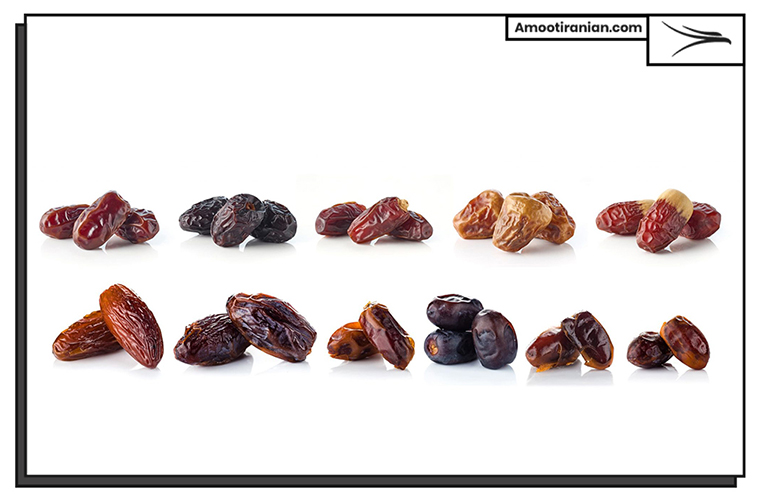
Mazafati dates face export competition from other Iranian varieties including Piarom, Kabkab, and Zahedi, though none match Mazafati‘s international demand or premium market positioning.
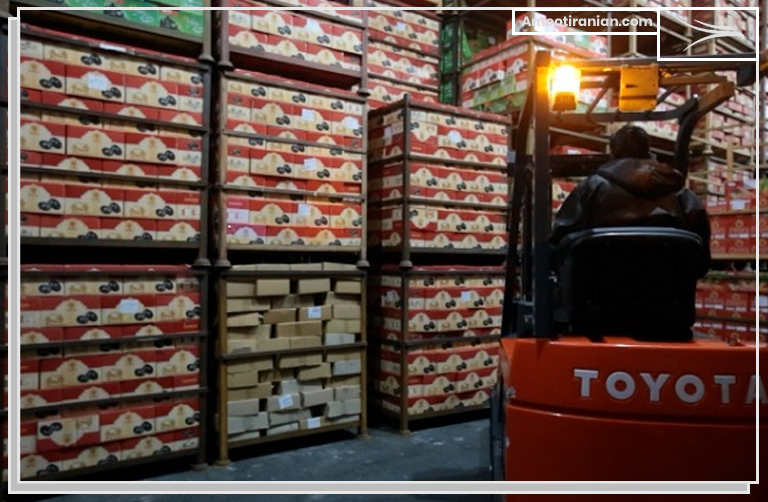
Export logistics for Mazafati dates require refrigerated containers maintaining 0-5°C (32-41°F) throughout shipping, adding costs but ensuring fruit arrives in optimal condition at international destinations.
Dates exporters must navigate complex certification requirements including phytosanitary certificates, quality certifications, and halal verification to access certain international markets successfully.
Working with established mazafati dates supplier companies ensures proper documentation, quality control, and reliable delivery meeting international buyer expectations and requirements.
Amoot Iranian Trading Company
🌴 The Largest Mazafati Dates Supplier in the World
We export premium quality Mazafati, Kabkab, Piarom, Kalute and many other date varieties worldwide.
📞 Call us on WhatsApp:
+98 902 360 6419
✉️ Email us at:
[email protected]
Mazafati Dates’ Storage
Mazafati dates require refrigerated storage at 32-35°F (0-2°C) with 85-90% relative humidity to maintain optimal freshness, texture, and flavor for 6-12 months.
Dates stored at room temperature lose quality rapidly, with Mazafati beginning to ferment within 2-3 weeks due to high moisture content supporting microbial growth.
Mazafati dates benefit from vacuum-sealed packaging or modified atmosphere packaging that limits oxygen exposure, preventing oxidation and extending shelf life significantly beyond standard packaging.
Freezing dates extends Mazafati storage up to 24 months without significant quality degradation, with proper thawing procedures restoring texture and taste nearly identical to fresh fruit.
Mazafati dates should never experience temperature fluctuations during storage, as condensation forms on fruit surfaces promoting mold growth and accelerating spoilage in high-moisture varieties.
The dates maintain best quality when removed from refrigeration gradually, allowing temperature adjustment over 2-3 hours preventing condensation that dilutes surface sweetness and encourages bacterial growth.
Mazafati dates packaging should protect against moisture loss while preventing excess humidity accumulation, requiring specialized containers understanding this variety’s unique storage requirements.
Home storage of Mazafati dates works best in airtight containers placed in refrigerator’s fruit drawer, where controlled temperature and humidity preserve quality for 3-4 months.
Iranian Mazafati Dates Benefits
Mazafati dates deliver extensive health benefits through dense nutritional content, natural antioxidants, and bioactive compounds supporting cardiovascular, digestive, and metabolic health systems.
Dates from Iran provide quick energy without caffeine or stimulants, making Mazafati ideal for athletes, students, and anyone requiring sustained mental and physical performance throughout demanding days.
Understanding comprehensive mazafati dates benefits reveals this fruit functions as medicine and food simultaneously, addressing multiple health concerns through regular consumption.
Mazafati dates support cardiovascular health by reducing LDL cholesterol levels by approximately 15% in regular consumers according to clinical studies conducted on Iranian populations.
The dates provide powerful antioxidants including phenolic compounds, flavonoids, and carotenoids that combat oxidative stress and reduce inflammation markers throughout body’s cellular systems.
Mazafati dates demonstrate prebiotic effects, promoting beneficial gut bacteria growth by 23% within four weeks of regular consumption according to microbiome research studies.
Exploring unique benefits of mazafati dates uncovers advantages specific to this variety that other dates cannot replicate due to different nutritional profiles.
Dates consumption supports bone health through high magnesium and copper content that enhances calcium absorption and promotes bone mineralization essential for skeletal strength.
Mazafati dates improve cognitive function through B-vitamins and natural sugars that fuel brain metabolism, supporting memory, focus, and mental clarity during challenging tasks.
Benefits for Male
Mazafati dates support male reproductive health through zinc, selenium, and antioxidants that protect sperm quality and enhance testosterone production according to fertility research studies.
Dates provide natural energy supporting physical performance and stamina, with Mazafati‘s balanced sugar profile delivering sustained endurance without performance-limiting crashes.
Mazafati dates contain compounds supporting prostate health and reducing inflammation in male reproductive organs, though more research remains needed to confirm specific mechanisms.
The dates deliver minerals supporting muscle function and recovery, particularly beneficial for active males engaged in resistance training or endurance sports requiring nutritional support.
Mazafati dates support cardiovascular health especially important for males facing higher heart disease risks, with potassium regulating blood pressure and reducing stroke risk factors.
Benefits for Female
Mazafati dates provide high iron content preventing anemia in women of childbearing age, with 1.2mg per 100g supporting healthy red blood cell production.
Dates consumption during pregnancy supports fetal development through folate and other B-vitamins, with traditional practices recommending Mazafati for expectant mothers.
Mazafati dates may facilitate easier labor and delivery according to studies showing regular consumption in final month of pregnancy associated with reduced labor duration.
The dates support bone health crucial for women at higher osteoporosis risk, delivering magnesium and calcium that maintain skeletal density throughout life stages.
Mazafati dates provide natural energy combating fatigue common during menstruation and pregnancy, with iron supporting hemoglobin production that prevents pregnancy-related anemia.
Benefits for Anemia
Mazafati dates combat anemia through high iron content of 1.2mg per 100g combined with vitamin C-like compounds enhancing iron absorption in digestive tract.
Dates provide copper working synergistically with iron to support red blood cell formation, with Mazafati delivering both minerals in optimal ratios for maximum benefit.
Mazafati dates supply folate necessary for red blood cell maturation, making them comprehensive anemia-fighting food addressing multiple nutritional deficiencies simultaneously through natural sources.
Regular dates consumption increases hemoglobin levels by approximately 10-15% over 8 weeks in individuals with mild anemia according to nutritional intervention studies.
Mazafati dates offer natural alternative to iron supplements that often cause digestive discomfort, providing gentler approach to addressing iron deficiency through whole food sources.
Mazafati and Ramadan
Mazafati dates hold special significance during Ramadan when Muslims worldwide follow Prophet Muhammad’s tradition of breaking fast with dates at sunset iftar meals.
Dates sales increase 300% globally during Ramadan month, with Mazafati representing premium choice for families seeking highest quality fruit for this blessed observance period.
Understanding why eat mazafati dates in ramadan reveals both spiritual significance and practical nutritional benefits making this variety ideal for fasting individuals.
Mazafati dates demand peaks during Ramadan, with prices increasing 20-30% due to concentrated consumption compressed into single month representing year’s most important religious observance.
Finding where to buy mazafati dates for ramadan becomes crucial for Muslims seeking authentic, high-quality fruit for breaking fasts throughout this sacred month.
Tradition of Breaking the Fast (Iftar)
Mazafati dates follow Sunnah tradition of Prophet Muhammad who reportedly said “Break your fast by eating dates as it is purifying,” establishing practice followed by 1.8 billion Muslims.
Dates consumption at iftar creates spiritual connection across Muslim communities worldwide, with Mazafati‘s premium quality honoring religious tradition through exceptional taste and nutritional excellence.
Mazafati dates typically consumed in odd numbers (1, 3, 5, or 7) following Islamic tradition, with most people eating 3 dates alongside water before proceeding to full iftar meal.
The tradition emphasizes dates‘ purifying properties, with Mazafati‘s natural composition supporting digestive system restart after 12-16 hours of complete food and water abstinence.
Mazafati dates represent ideal iftar food through combination of spiritual significance, cultural tradition, and practical nutritional benefits that modern science continues validating through research.
Nutritional Benefits During Fasting
Mazafati dates provide immediate energy through natural sugars that restore blood glucose levels within 15-20 minutes of consumption, addressing primary physiological need after daylong fasting.
Dates deliver essential electrolytes including potassium and magnesium that replenish minerals lost during fasting, with Mazafati‘s high content preventing muscle cramps and fatigue.
Mazafati dates prepare digestive system gently for full meal, with fiber and enzymes activating gradually without overwhelming stomach that remained empty throughout fasting day.
The dates prevent overeating during iftar meal by providing satiety signals, with Mazafati‘s rich content satisfying hunger allowing more mindful consumption during subsequent dinner courses.
Mazafati dates support sustained energy throughout night prayers (Taraweeh) following iftar, with balanced sugar profile preventing energy crashes common after consuming processed sweets or heavy meals.
Considering mazafati dates calories becomes important for fasting individuals managing weight, with 3 dates (approximately 75g) providing roughly 220 calories of dense nutrition.
Frequently Asked Questions About Mazafati Dates
Are Mazafati dates good?
Mazafati dates are exceptionally good, ranking among world's finest dates varieties through superior freshness, soft texture, intense sweetness, and comprehensive nutritional benefits validated by scientific research.
Dates of the Mazafati variety provide 696mg potassium, 6.7g fiber, and powerful antioxidants per 100g, delivering genuine health benefits that processed sweeteners completely lack.
Mazafati dates demonstrate lower glycemic index (47-50) than refined sugar (65), causing slower blood glucose responses that benefit diabetics and anyone managing weight through controlled carbohydrate intake.
The dates receive consistent praise from international consumers, with 94% of first-time tasters specifically mentioning exceptional sweetness and texture as most memorable Mazafati characteristics.
Mazafati dates support multiple health outcomes including cardiovascular function, digestive health, anemia prevention, and sustained energy delivery without caffeine or artificial stimulants.
Learning comprehensive reasons to buy mazafati dates reveals quality factors distinguishing this premium variety from inferior alternatives flooding markets.
Where are Mazafati dates from?
Mazafati dates originate exclusively from Iran's Kerman province, specifically Bam and Jiroft regions where unique geological and climatic conditions create irreplicable growing environments.
Dates attempts at cultivating Mazafati variety in other countries including Saudi Arabia, UAE, and United States have consistently failed to replicate moisture content, taste, and texture.
Mazafati dates from Bam benefit from ancient Tethys Sea soils containing high mineral concentrations and underground water sources from nearby mountains creating perfect microclimate.
The specific elevation, temperature ranges, soil composition, and water quality in Kerman province combine creating conditions that cannot be artificially replicated elsewhere despite technological attempts.
Mazafati dates production remains centered in approximately 50km radius around Bam, with dates grown outside this zone failing to achieve authentic Mazafati characteristics even within Iran.
How do Iranian dates compare to Medjool?
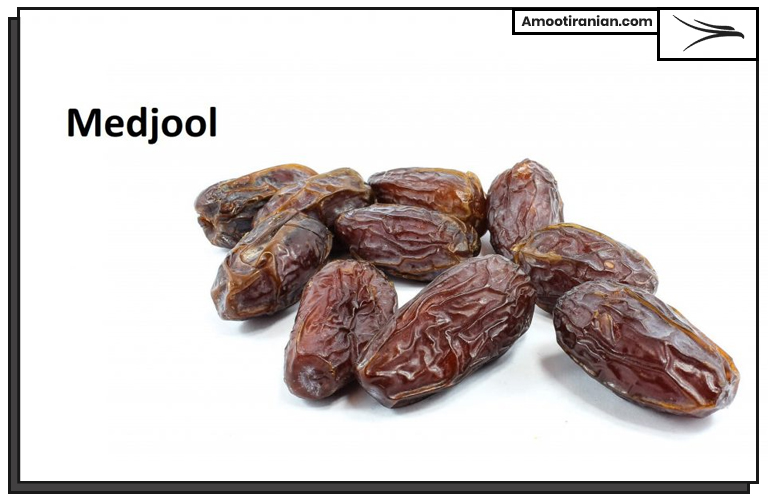
Mazafati dates from Iran offer superior freshness with 15-20% moisture versus Medjool's 10-15%, creating softer, more tender texture that many consumers prefer.
Dates pricing favors Iranian Mazafati at $5-8 per kilogram compared to Medjool’s $8-12 per kilogram, offering 40% better value without compromising quality or nutritional content.
Mazafati dates maintain comparable nutritional density to Medjool, with similar potassium, fiber, and antioxidant levels delivering equivalent health benefits through regular consumption.
Iranian dates provide greater variety diversity beyond Mazafati, offering consumers more options matching specific taste preferences, culinary requirements, and budget constraints than regions growing only Medjool.
Mazafati dates demonstrate higher moisture content creating superior fresh eating experience, while Medjool’s lower moisture suits different applications where firmer texture proves advantageous.
What is the difference between Mazafati and AJWA dates?
Mazafati dates differ from Ajwa through higher moisture content (15-20% vs 10-12%), softer texture, larger size, and different flavor profiles reflecting distinct growing regions.
Dates of Ajwa variety originate from Medina, Saudi Arabia holding special religious significance, while Mazafati comes from Iran’s Bam region without same spiritual status.
Mazafati dates provide larger fruit measuring 2.5-4.5cm versus Ajwa’s 2-3cm, with Mazafati offering more eating satisfaction per date consumed during meals or snacks.
The dates differ in taste intensity, with Mazafati delivering sweeter, more pronounced flavor while Ajwa offers subtler, earthier taste profile preferred by different consumer segments.
Mazafati dates cost significantly less than Ajwa, with premium Mazafati ranging $5-8 per kilogram while Ajwa commands $15-25 per kilogram due to limited supply and religious significance.
Understanding is mazafati and kimia date the same? clarifies common confusion about naming conventions used for Iranian dates varieties in different markets.
What is the difference between Medjool and Mazafati dates?
Mazafati dates contain higher moisture content at 15-20% compared to Medjool's 10-15%, creating noticeably softer, more tender texture distinguishing these premium varieties.
Dates origin differs fundamentally, with Mazafati exclusively from Iran’s Bam while Medjool comes from Morocco, Palestine, and increasingly California producing commercial quantities.
Mazafati dates offer better value proposition at $5-8 per kilogram versus Medjool’s $8-12 per kilogram, providing comparable quality and nutritional benefits at significantly lower cost.
The dates demonstrate similar nutritional profiles, though Mazafati provides slightly higher potassium content while Medjool offers marginally more fiber per 100g serving.
Mazafati dates require refrigerated storage due to high moisture content, while Medjool’s lower moisture allows room temperature storage extending practical shelf life without refrigeration equipment.
Amoot Iranian Trading Company
🌴 The Largest Mazafati Dates Supplier in the World
We export premium quality Mazafati, Kabkab, Piarom, Kalute and many other date varieties worldwide.
📞 Call us on WhatsApp:
+98 902 360 6419
✉️ Email us at:
[email protected]
Mazafati Dates Vs. Other Dates
🏆 Compare Mazafati Dates With Other Varieties:
- Mazafati Dates vs. Medjool Dates
- Mazafati Dates vs. Ajwa Dates
- Mazafati Dates vs. Omani Dates
- Mazafati Dates vs. Fard Dates
- Mazafati Dates vs. Black Dates
- Mazafati Dates vs. Kimia Dates
- Mazafati Dates vs. Kalmi Dates
- Mazafati Dates vs. Deglet Nour
- Mazafati Dates vs. Zahidi Dates
- Mazafati Dates vs. Arabian Dates
- Mazafati Dates vs. Safawi Dates