Picture this: You’re looking for dates that offer perfect balance—sweet enough to satisfy cravings but not overwhelmingly sugary, moist but with pleasant firmness, and packed with nutrition that supports your health goals. That’s exactly where Kabkab dates shine, my friend.
After supplying premium dates to 40+ countries for over 15 years, we’ve witnessed remarkable growth in demand for Kabkab dates among buyers seeking high-quality Iranian dates at accessible pricing. Why? Because kabkab delivers exceptional velvety sweetness, impressive nutritional density, and versatility that makes them perfect for both fresh consumption and cooking applications. However, most international buyers don’t yet understand what makes kabkab special or how to identify premium quality.
Here’s my take: Kabkab dates, also known as Dashtestan dates, represent outstanding value in the semi-dry category—a variety that ancient Iranian farmers perfected over centuries in Bushehr Province’s hot, arid climate. Therefore, understanding kabkab’s unique characteristics, health benefits, and proper selection helps you appreciate why this variety ranks as Iran’s second most popular date after Mazafati.
30-Second Summary
Kabkab dates are semi-dry dates (Phoenix dactylifera) from southern Iran, prized for velvety sweet flavor (not overly sugary), moist texture with 18-20% moisture content, and high nutritional value. These oval, elongated dates measure 3.5-5 cm and weigh 9-18 grams each.
This comprehensive guide reveals everything about Kabkab dates—from cultivation in Bushehr Province to detailed nutritional breakdown and proper storage methods.
What you’ll discover in this guide:
- Complete nutritional profile with 274 calories and 8g fiber per 100g
- Evidence-based health benefits including digestive support and energy enhancement
- Expert storage techniques extending shelf life to 12-18 months
- Professional quality identification methods for sourcing premium kabkab
Based on 15+ years directly sourcing Kabkab dates from Bushehr Province producers, ensuring consistent quality and competitive wholesale pricing for global markets.
What Are Kabkab Dates?
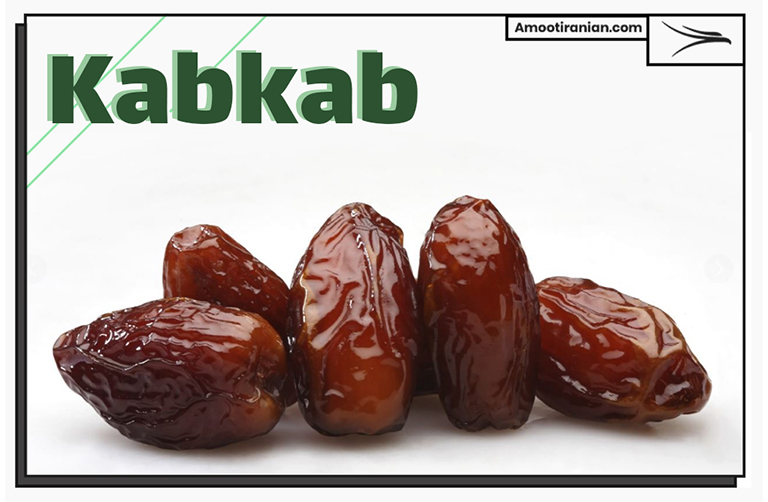
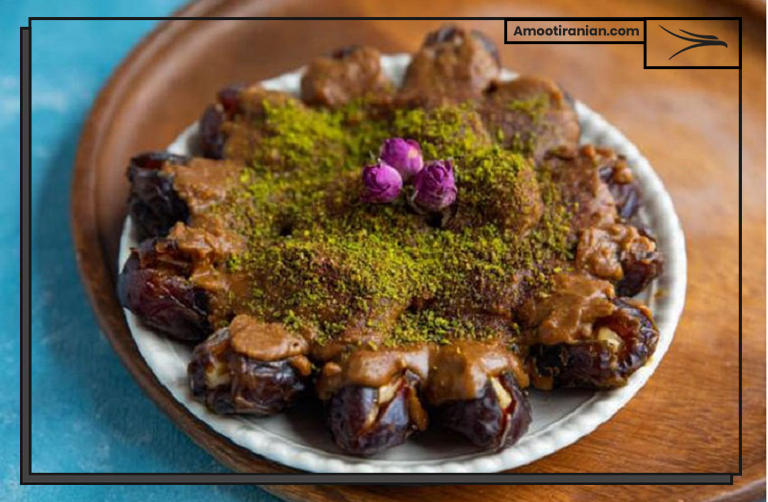
Kabkab dates represent one of Iran’s premier semi-dry date varieties, cultivated primarily in southern regions where hot, arid climate creates ideal growing conditions. These dates stand out through their distinctive oval, elongated shape measuring 3.5-5 cm in length. Additionally, each kabkab date weighs approximately 9-18 grams with an average around 15 grams. Learn about various date types we supply.
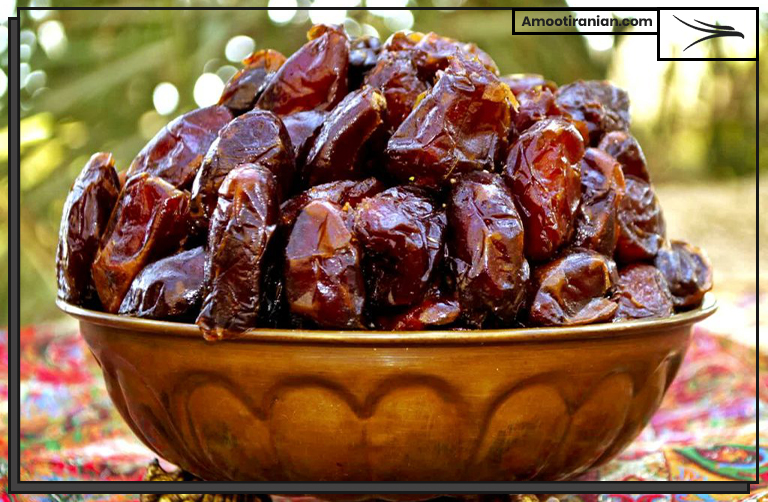
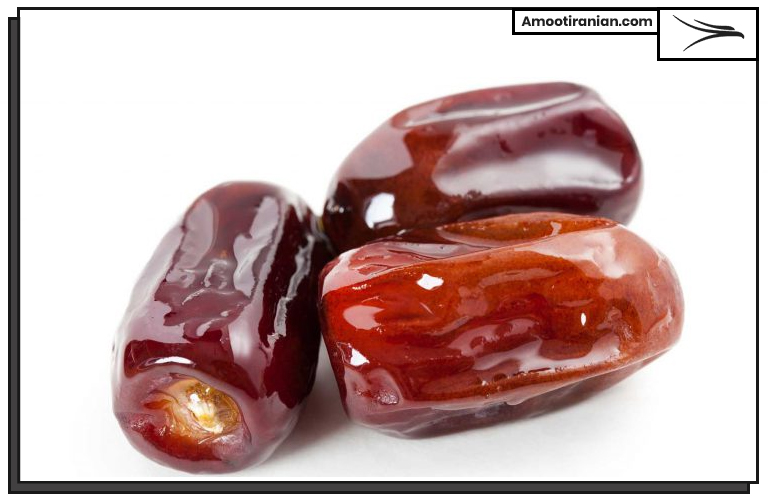
The dark brown color when fully ripe gives kabkab an elegant appearance. Furthermore, the slightly shiny, wrinkled skin adheres firmly to the flesh, creating that characteristic velvety texture. Meanwhile, a small pit attaches to the pulp—a feature that distinguishes kabkab from some other varieties. That said, the pit remains easy to remove for processing or stuffing applications.
Honestly, the semi-dry classification with 18-20% moisture content positions kabkab perfectly between fresh and dry dates. This unique moisture level creates a firm yet syrupy texture that many consumers prefer. Therefore, kabkab offers advantages of both categories—the pleasant chew of semi-dry dates combined with enough moisture to prevent dryness. Explore the classification of dates.
The ripening stages of kabkab create interesting characteristics. In the unripe “kharak” stage during early August, kabkab appears bright yellow and tastes bitter—completely inedible at this point. However, as it transitions to the “rutab” stage, the color shifts to light brown with developing sweetness. Finally, when fully mature from mid-September to mid-October, kabkab reaches its characteristic dark brown color with peak sweetness and nutritional density.
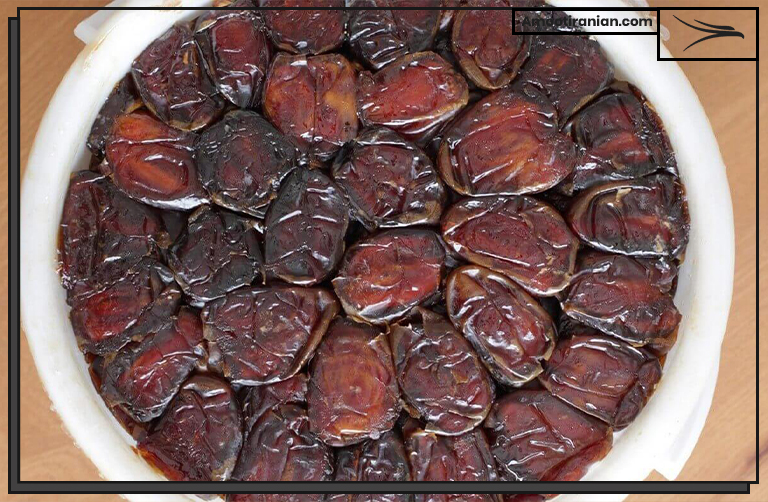
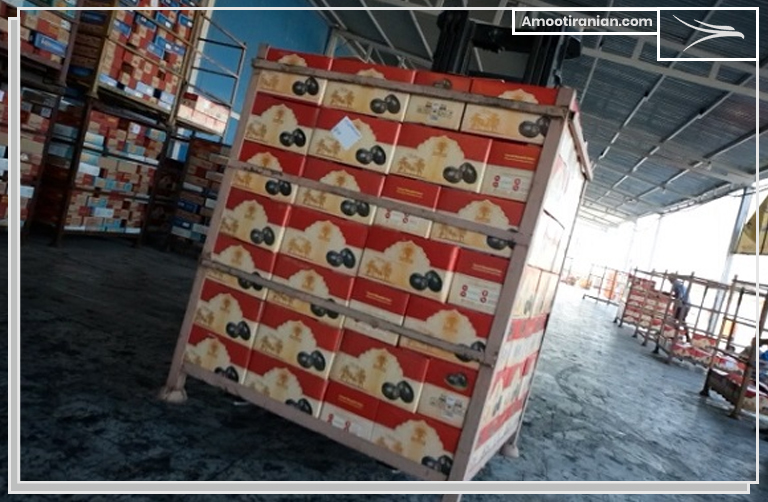
Here’s how it works: The semi-dry nature means kabkab requires less careful storage than fresh Mazafati while offering more moisture than completely dry varieties like some Zahidi. This practical balance makes kabkab ideal for international shipping and retail distribution. Furthermore, the consistent size and appearance facilitate uniform packaging that wholesale buyers value. Discover date packaging options.

Kabkab Dates Nutritional Value
Kabkab dates pack impressive nutritional density supporting various health goals. Therefore, understanding the complete nutritional profile helps you maximize dietary benefits through strategic consumption.
Complete Nutritional Breakdown Per 100 Grams
| Nutrient | Amount per 100g | Daily Value % | Health Benefits |
|---|---|---|---|
| Calories | 274 kcal | 14% | High-energy fuel from natural carbs |
| Carbohydrates | 75g | 25% | Sustained energy release |
| Sugars | 60-70g | Varies | Natural sweetness, monitor intake |
| Fiber | 8g | 32% | Excellent digestive support |
| Protein | 2.5g | 5% | Essential amino acids |
| Fat | 0.4g | <1% | Minimal, heart-healthy profile |
| Potassium | 656mg | 14% | Blood pressure regulation |
| Iron | 1mg | 6% | Prevents anemia |
| Calcium | 39mg | 4% | Bone strength |
| Sodium | 2mg | <1% | Low, supports heart health |
| Magnesium | Notable | Varies | Nerve and muscle function |
The fiber content stands out remarkably at 8 grams per 100 grams. This exceptional level promotes digestive health effectively while creating lasting satiety. Therefore, kabkab helps manage weight naturally by reducing overall calorie intake through improved fullness between meals. Learn about dates and weight management.
The potassium content at 656mg per 100 grams supports cardiovascular health through natural blood pressure regulation. This essential mineral balances sodium effects in the body. Additionally, adequate potassium intake reduces heart disease risk according to extensive medical research. Furthermore, athletes benefit from potassium’s role in preventing muscle cramps during intense training.
Other vital nutrients include magnesium supporting nerve and muscle function, vitamins B and C boosting metabolism and immunity, plus powerful antioxidants that protect cells from oxidative damage. The balanced nutritional profile makes kabkab excellent for daily consumption as part of healthy eating patterns.
How Many Calories Does Kabkab Date Have?
One medium kabkab date (approximately 15 grams) contains roughly 41 calories. Therefore, eating three kabkab dates provides about 123 calories—a moderate snack that delivers substantial nutrition. Additionally, five dates supply approximately 205 calories, suitable for pre-workout energy or mid-afternoon fuel.
The 274 calories per 100 grams reflect concentrated energy from natural carbohydrates. However, these aren’t empty calories like refined sugars. Instead, kabkab calories come packaged with fiber, minerals, vitamins, and antioxidants that support overall health. Therefore, the calorie content should be viewed within the context of comprehensive nutritional value.
For active individuals, kabkab’s calorie density provides excellent energy support. Athletes can consume 5-7 dates daily (around 300-350 calories) to fuel training without excessive volume. Meanwhile, sedentary individuals might limit intake to 3-4 dates daily (approximately 120-165 calories) for healthy snacking without weight gain concerns. Discover comprehensive date benefits.
What Is the Nature of Kabkab Date?
In traditional Persian medicine, Kabkab dates are classified as having warm and dry nature. This classification matters significantly for understanding how kabkab affects the body according to traditional medical systems. Therefore, people with naturally warm temperaments should consume kabkab moderately to avoid potential imbalances.
The warm nature means kabkab generates heat within the body. Consequently, consuming kabkab during cold seasons or in cool climates feels particularly beneficial. Furthermore, the warming properties make kabkab valuable for individuals with cold temperaments who need energizing foods. That said, excessive consumption by those with warm temperaments might lead to issues like inflammation or digestive discomfort.
Honestly, the warm nature contributes to kabkab’s reputation for enhancing energy and vitality. Traditional medicine values warm dates for improving circulation, boosting stamina, and supporting reproductive health. Additionally, the warm quality makes kabkab excellent for combating fatigue and weakness. However, moderation remains key—typically 3-5 dates daily provides benefits without overwhelming the system.
Here’s how it works in practice: During winter months, kabkab’s warm nature helps maintain body heat and energy levels naturally. Meanwhile, in hot summer weather, those with warm temperaments might prefer cooler-natured fruits to maintain balance. That said, most people tolerate kabkab well year-round when consumed in reasonable quantities. Learn about dates during Ramadan.

Kabkab Dates Characteristics
Several distinctive characteristics set Kabkab dates apart from other varieties. Understanding these features helps identify authentic kabkab and appreciate its unique qualities.
Physical Appearance: The oval, elongated shape creates elegant presentation perfect for premium packaging. Additionally, the dark brown color when ripe signals maturity and optimal sweetness. The slightly shiny, wrinkled skin adds visual appeal while protecting the flesh. Furthermore, consistent sizing (3.5-5 cm length) facilitates uniform packaging for retail distribution.
Texture Profile: The semi-dry classification with 18-20% moisture creates that signature firm yet syrupy texture. Unlike completely dry dates that feel hard, kabkab maintains pleasant chewiness. Meanwhile, compared to very soft dates that feel mushy, kabkab offers satisfying bite resistance. This balanced texture makes kabkab versatile for both fresh eating and cooking applications.
Flavor Characteristics: The velvety sweet flavor distinguishes kabkab remarkably—sweet enough to satisfy cravings but not overwhelmingly sugary like some varieties. Additionally, subtle caramel notes emerge during chewing, creating complexity. The natural sweetness intensifies as kabkab ripens fully, reaching peak flavor in late September through October harvest.
Storage Stability: The 18-20% moisture content enables exceptional shelf life compared to fresh dates. Kabkab stores well for 12-18 months in sealed containers under dry conditions. Furthermore, refrigeration extends storage even longer, while freezing preserves quality for years. This practical advantage makes kabkab ideal for international export and long-term inventory management. Explore proper date storage.
Cultivation Regions: Over 75% of Bushehr Province’s date output consists of kabkab, highlighting regional specialization. The major growing areas include Dashtestan and Borazjan in Bushehr Province, plus Behbahan in Khuzestan Province and parts of Fars Province. These southern Iranian regions provide the hot, arid climate kabkab requires. Furthermore, kabkab cultivation spans over 30,861 hectares, yielding approximately 4,505 kg per hectare.
Production Capacity: Each kabkab palm tree produces 40-50 kg per harvest—substantial output supporting commercial viability. Additionally, kabkab ranks as Iran’s second most popular date variety after Mazafati, reflecting strong domestic and international demand. The harvest timing from mid-September to mid-October creates peak supply during this period. Learn about Iran’s date production.
Kabkab Dates Benefits
Kabkab dates deliver impressive health benefits backed by their rich nutritional profile. Therefore, regular consumption supports various wellness goals effectively.
Digestive Health Support
The exceptional 8 grams of fiber per 100 grams makes kabkab outstanding for digestive wellness. This fiber content promotes regular bowel movements naturally without harsh laxatives. Additionally, the combination of soluble and insoluble fiber creates optimal digestive benefits—soluble fiber feeds beneficial gut bacteria while insoluble fiber adds bulk for easier passage.
Furthermore, kabkab acts as natural prebiotic, supporting healthy microbiome development. The fiber helps prevent constipation effectively, making kabkab valuable for those struggling with digestive regularity. That said, gradually increase kabkab consumption to allow digestive system adaptation and avoid temporary bloating. Discover digestive benefits.
Energy Enhancement
The 274 calories per 100 grams provide quick, sustained energy from natural carbohydrates. Unlike refined sugars causing energy crashes, kabkab’s balanced glucose-fructose composition releases energy gradually. Therefore, athletes use kabkab as pre-workout fuel for sustained performance. Additionally, the natural sugars replenish glycogen stores post-exercise, supporting recovery.
The B vitamins in kabkab further enhance energy metabolism at cellular levels. These vitamins help convert food into usable energy efficiently. Furthermore, the iron content supports oxygen transport to muscles and organs, preventing fatigue from anemia. Consequently, eating 3-5 kabkab dates provides natural energy boost without artificial stimulants.
Bone Health Support
The calcium content (39mg per 100g) combined with magnesium supports skeletal strength. These minerals work synergistically to maintain bone density and prevent osteoporosis. Therefore, regular kabkab consumption contributes to long-term bone health, especially important as you age. Additionally, other trace minerals in kabkab support bone metabolism and repair processes.
Heart Health Protection
The exceptional potassium content (656mg per 100g) supports cardiovascular function through blood pressure regulation. Additionally, the minimal sodium (2mg per 100g) creates ideal electrolyte balance that reduces hypertension risk. The fiber content helps lower LDL cholesterol levels naturally by binding cholesterol in the digestive system.
Furthermore, antioxidants in kabkab prevent LDL cholesterol oxidation—a critical step in atherosclerosis development. Therefore, kabkab contributes to heart disease prevention through multiple mechanisms. That said, combine kabkab consumption with overall healthy lifestyle for optimal cardiovascular benefits.
Anemia Prevention
The iron content (1mg per 100g) supports healthy red blood cell production. While not extremely high, regular kabkab consumption helps prevent iron deficiency anemia, especially valuable for women with higher iron needs. Additionally, vitamin C in kabkab enhances iron absorption when consumed together, maximizing benefits.
Brain Function Support
The natural sugars provide quick fuel for brain cells that rely on glucose for energy. Additionally, B vitamins support neurotransmitter function and cognitive processes. The antioxidants protect brain cells from oxidative damage that contributes to cognitive decline. Therefore, kabkab may support mental clarity and memory as part of brain-healthy diet.
Stress Reduction
The warm nature of kabkab combined with its nutrient profile may help reduce stress and anxiety. The magnesium content supports nervous system function and promotes relaxation. Additionally, the natural sugars provide comfort without the negative effects of processed sweets. Furthermore, mindful eating of kabkab creates pleasant sensory experience that reduces stress naturally.
Weight Management Support
Despite calorie density, kabkab’s high fiber content (8g per 100g) promotes satiety effectively. This fullness reduces overall calorie intake by preventing overeating at meals. Therefore, incorporating 3-4 kabkab dates into balanced diet supports weight management goals. That said, portion control remains important—treating kabkab as nutrient-dense snack rather than unlimited treat. Learn about dates and weight loss.
Kabkab Dates VS Other Dates
Understanding how Kabkab dates compare with other popular varieties helps buyers make informed decisions. Here’s detailed comparison with key varieties:
Kabkab VS Mazafati: Mazafati offers softer texture with higher moisture (15-35%) compared to kabkab’s firmer 18-20% moisture. Additionally, Mazafati tastes sweeter with intense caramel notes, while kabkab provides more moderate, velvety sweetness. However, kabkab offers better shelf stability (12-18 months vs 6-12 months for Mazafati). Price-wise, Mazafati commands premium pricing while kabkab offers more accessible rates. Compare varieties in detail.
Kabkab VS Piarom: Piarom features elongated, thinner shape with chocolate-like flavor and lower moisture (under 15%). Meanwhile, kabkab offers rounder, plumper appearance with velvety sweet taste. Piarom commands significantly higher prices ($4-7/kg wholesale) compared to kabkab’s more economical positioning ($2-4/kg wholesale). Both varieties offer excellent quality but serve different market segments.
Kabkab VS Zahidi: Zahidi provides firmer, drier texture (15-20% moisture similar to kabkab) with nutty, butterscotch flavor. However, kabkab tastes sweeter and more velvety than Zahidi’s moderate sweetness. Additionally, Zahidi costs less ($1-3/kg wholesale) making it most economical option, while kabkab sits in mid-range pricing reflecting superior taste appeal.
Kabkab VS Medjool: Medjool measures larger (5cm length, 22g weight) with very soft, creamy texture and intense caramel sweetness. In contrast, kabkab offers smaller size (3.5-5cm, 9-18g) with firmer texture and more moderate sweetness. Medjool commands premium international pricing while kabkab provides excellent value. However, both varieties deliver impressive nutritional benefits. Read comprehensive variety comparison.
How to Store Kabkab Date
Proper storage maximizes Kabkab dates shelf life and maintains quality. Therefore, following these storage guidelines ensures optimal freshness:
Room Temperature Storage: Store kabkab in sealed containers in cool, dry locations away from direct sunlight. Properly stored kabkab lasts 12-18 months at room temperature. Additionally, use airtight containers preventing moisture absorption and pest access. Furthermore, check periodically for any quality changes, though kabkab’s semi-dry nature resists spoilage well.
Refrigerated Storage: Refrigeration extends kabkab shelf life significantly beyond 18 months. Store in sealed containers or resealable bags to prevent moisture absorption and odor transfer. Additionally, refrigeration maintains texture and prevents sugar crystallization on surface. That said, allow refrigerated kabkab to reach room temperature before eating for optimal flavor and texture.
Frozen Storage: Freezing preserves kabkab quality for years when done properly. Place kabkab in freezer-safe containers or bags, removing excess air. Additionally, label containers with date for inventory management. Frozen kabkab maintains nutritional value and taste indefinitely. Furthermore, thaw frozen kabkab gradually in refrigerator or at room temperature before consumption. Learn proper storage methods.
Packaging Considerations: Original packaging from reputable suppliers like Amoot Iranian provides optimal protection. However, once opened, transfer kabkab to airtight containers. Additionally, avoid exposing kabkab to temperature fluctuations that create condensation. Furthermore, store away from strong-smelling foods as kabkab absorbs odors readily.
How to Identify High Quality Kabkab Date
Recognizing premium Kabkab dates ensures you receive best value. Therefore, use these expert identification criteria:
Visual Inspection: High-quality kabkab displays uniform dark brown color without excessive lightness or discoloration. Additionally, the skin should appear slightly shiny with characteristic wrinkles—not dull or excessively dry. Furthermore, premium kabkab shows consistent sizing within batch, reflecting careful grading. Avoid kabkab with white spots indicating sugar crystallization from improper storage.
Texture Assessment: Quality kabkab feels firm yet pliable when gently squeezed—not rock-hard or overly soft. Additionally, the flesh should feel slightly sticky from natural sugars but not wet. Premium kabkab maintains structural integrity without falling apart when handled. Furthermore, the skin should adhere firmly to flesh without separating easily.
Moisture Content: Optimal kabkab contains 18-20% moisture creating that signature firm yet syrupy texture. Check that kabkab doesn’t feel completely dry and hard (under 15% moisture) or excessively soft and wet (over 25% moisture). Additionally, premium kabkab shows no signs of fermentation or off-odors indicating excessive moisture.
Origin Verification: Authentic kabkab from Bushehr Province, particularly Dashtestan and Borazjan regions, commands highest quality reputation. Therefore, verify origin documentation when purchasing. Additionally, reputable suppliers like Amoot Iranian provide traceability to specific growing regions. Furthermore, Dashtestan kabkab typically offers larger size and superior taste compared to other areas. Learn about Iranian date quality.
Taste Testing: Premium kabkab delivers velvety sweet flavor without excessive sugariness or off-tastes. The sweetness should taste natural and pleasant, not fermented or sour. Additionally, quality kabkab shows no bitterness or astringency. Furthermore, the texture should provide satisfying chew without being tough or mushy.
Frequently Asked Questions
What Are Kabkab Dates?
Kabkab dates are semi-dry Iranian dates from Bushehr Province, characterized by oval elongated shape (3.5-5cm), dark brown color, velvety sweet flavor, 18-20% moisture content, and weighing 9-18 grams each. These dates rank as Iran’s second most popular variety after Mazafati.
The name “kabkab” comes from the Persian term “خرمای کبکاب” used locally in southern Iran. Additionally, kabkab is often called Dashtestan dates, referencing the primary growing region. The centuries-old cultivation tradition demonstrates kabkab’s cultural and agricultural importance in Iranian society.
The semi-dry classification positions kabkab between fresh and dry categories. This unique moisture level creates practical advantages—better shelf stability than fresh dates combined with more pleasant texture than completely dry varieties. Therefore, kabkab suits diverse applications from fresh snacking to cooking and baking. Explore various date types.
Is Kabkab Healthy?
Yes, kabkab is very healthy, providing 8g fiber per 100g (32% daily value), 656mg potassium supporting heart health, natural energy from 75g carbohydrates, plus iron preventing anemia and antioxidants protecting cells. The comprehensive nutritional profile makes kabkab excellent for daily consumption.
The high fiber content particularly stands out—8 grams per 100 grams exceeds many common fruits and supports digestive health effectively. Additionally, the fiber creates lasting satiety helping manage weight naturally. The potassium content supports cardiovascular function through blood pressure regulation, making kabkab heart-healthy choice.
However, moderation matters due to kabkab’s warm nature. Most people benefit from 3-5 kabkab dates daily (approximately 45-75 grams) providing substantial nutrition without excessive calories. That said, diabetics should consult healthcare providers before regular consumption due to natural sugar content, though kabkab’s fiber helps moderate blood glucose response. Read comprehensive health benefits.
Are Dates from Iran Good?
Yes, Iranian dates are exceptional, with Iran producing 1.2 million tons annually across 180,000 hectares and ranking as the world’s largest date producer, exporting premium varieties like Mazafati, Piarom, Kabkab, and Zahidi to 40+ countries. Iranian dates command premium pricing reflecting superior quality.
Iran’s diverse climate zones enable cultivation of numerous date varieties, each optimized for specific regions. The centuries-old agricultural expertise passed through generations ensures consistent quality standards. Additionally, Iranian farmers maintain traditional organic practices minimizing synthetic chemical use—a significant advantage in health-conscious markets.
The export statistics validate Iranian date quality. Iran exports approximately 35% of production generating over $550 million annually, making dates the fourth-largest agricultural export. Furthermore, varieties like Piarom command the highest export values globally ($3.20/kg average), while Mazafati dominates fresh date markets. Therefore, Iranian dates represent gold standard in global markets. Discover Iran’s date leadership.
What Is Kabkab in English?
Kabkab translates to “Kabkab dates” or “Dashtestan dates” in English, with no direct equivalent beyond these transliterations, as kabkab represents a specific Iranian date variety name rather than a descriptive common term. The term “kabkab” itself remains the standard international designation.
Some marketers use descriptive English terms like “honey dates” or “semi-dry dates” to communicate kabkab characteristics. However, these generic descriptions don’t uniquely identify kabkab specifically. Therefore, serious buyers use “Kabkab” or “Kabkab dates” to specify this exact variety from Iran.
In international trade documentation, kabkab appears under HS codes for dates classification. Additionally, quality certifications reference kabkab by name to distinguish from other varieties. The growing global recognition of kabkab means the Persian name functions as the universal identifier across languages and markets. Learn about date varieties HS codes.
Conclusion
Kabkab dates represent outstanding value in Iran’s premium date offerings—combining velvety sweet flavor, impressive nutritional density, and practical shelf stability at accessible pricing. These semi-dry dates from Bushehr Province deliver exceptional fiber content (8g per 100g), heart-healthy potassium (656mg), and natural energy (274 kcal) supporting diverse health goals.
The balanced 18-20% moisture content creates that signature firm yet syrupy texture perfect for both fresh eating and cooking applications. Additionally, the warm nature according to traditional Persian medicine makes kabkab excellent for energy enhancement and vitality support, though moderation matters for those with warm temperaments.
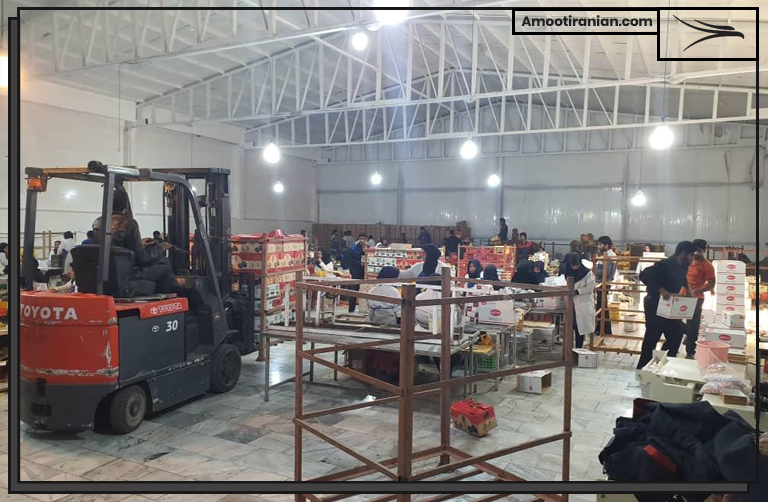
At Amoot Iranian Trading Company, we source premium Kabkab dates directly from established farmers in Dashtestan and Borazjan regions of Bushehr Province. Our 15+ years of global export experience ensures consistent quality, proper organic practices verification, and competitive wholesale pricing typically ranging $2-4 per kilogram. We supply to 40+ countries worldwide with flexible packaging options from bulk containers to consumer-ready retail packages.
Whether you’re an importer seeking wholesale quantities, a retailer wanting private label packaging, or a health-conscious consumer desiring authentic Iranian kabkab, we’re here to help. Our team understands kabkab grading nuances, optimal harvest timing, and proper storage maintaining quality during international shipping.
Ready to experience premium Kabkab dates from Bushehr Province? Contact Amoot Iranian Trading Company today to discuss your dates supply needs. We offer various quality grades with volume discounts, full origin traceability, and quality guarantees backed by over a decade of satisfied clients globally. Let us become your trusted partner for premium Iranian date fruits.
PS: Explore our complete Kabkab dates information for additional details.
PS: Compare Kabkab with other premium varieties we supply globally.
PS: Learn about wholesale date packaging options for your business needs.
PS: Discover why Amoot Iranian is the largest dates supplier serving international markets.
Amoot Iranian Trading Company
🌴 The Largest Mazafati Dates Supplier in the World
We export premium quality Mazafati, Kabkab, Piarom, Kalute and many other date varieties worldwide.
📞 Call us on WhatsApp:
+98 902 360 6419
✉️ Email us at:
[email protected]
.