Here’s something you might not know: Not all dates need to be super soft and ultra-sweet to be valuable. Sometimes, the best dates offer perfect balance between firmness, flavor, and nutrition. That’s exactly what Zahidi dates deliver, my friend.

After supplying premium dates to 40+ countries for over 15 years, we’ve noticed growing demand for Zahidi dates among buyers seeking versatile, firm-textured dates that work beautifully in both fresh consumption and processing applications. However, most consumers don’t realize what makes zahidi special or why this “noble” date variety deserves attention.

Here’s my take: Zahidi dates represent practical excellence—a semi-dry variety offering nutty flavor with butterscotch hints, lower sugar content than soft dates, and exceptional versatility. Therefore, understanding their unique characteristics helps you appreciate why zahidi remains highly sought after in global markets.


30-Second Summary

Zahidi dates, also known as Zahedi or Zehdi dates, are semi-dry dates (Phoenix dactylifera) valued for firm texture, nutty butterscotch flavor, and lower sugar content. Originating from Iraq and now widely cultivated in Iran, the name means “noble” in Arabic.

What you’ll discover in this guide:

  • Complete background on zahidi origin and cultivation regions
  • Detailed nutritional profile with health benefits
  • Current wholesale pricing ($1-3/kg) making zahidi economical
  • Honest comparison with sweeter varieties like Medjool

Based on 15+ years sourcing premium Zahidi dates from Iranian producers, ensuring consistent quality and competitive wholesale pricing for international markets.


What Are Zahidi Dates?

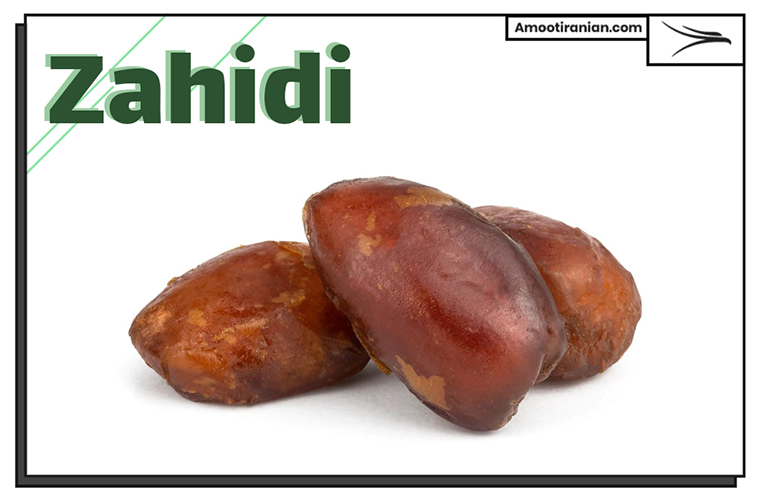
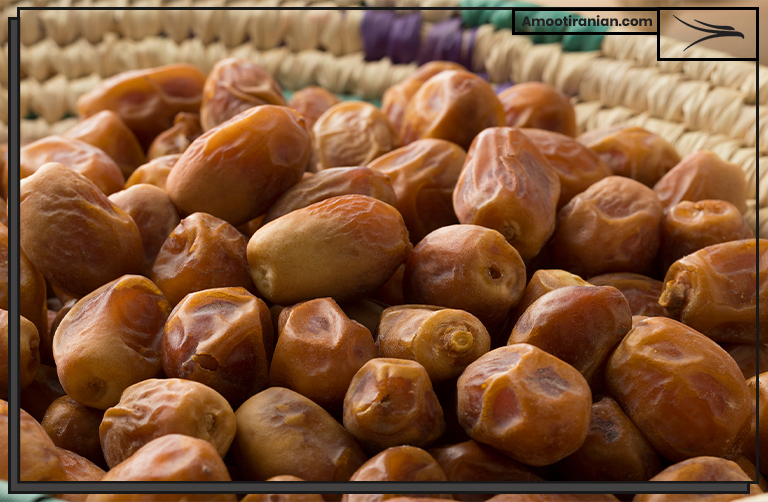
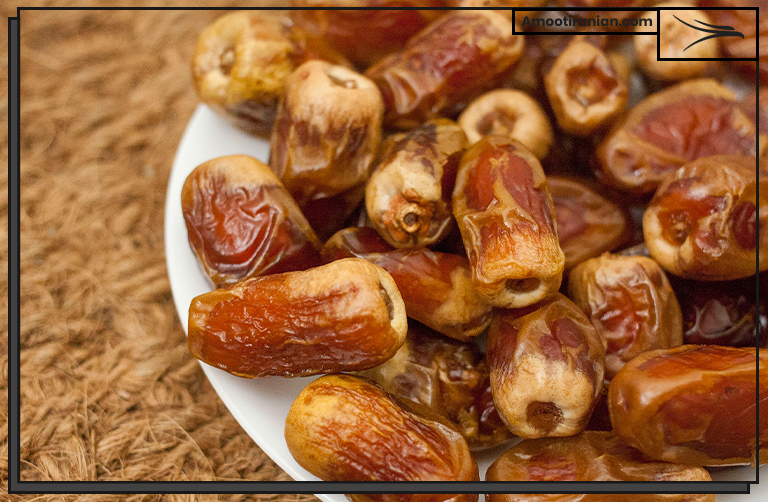
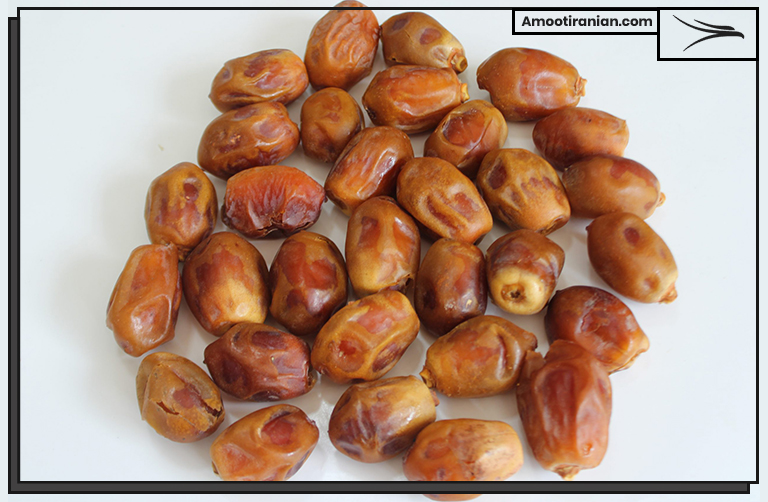
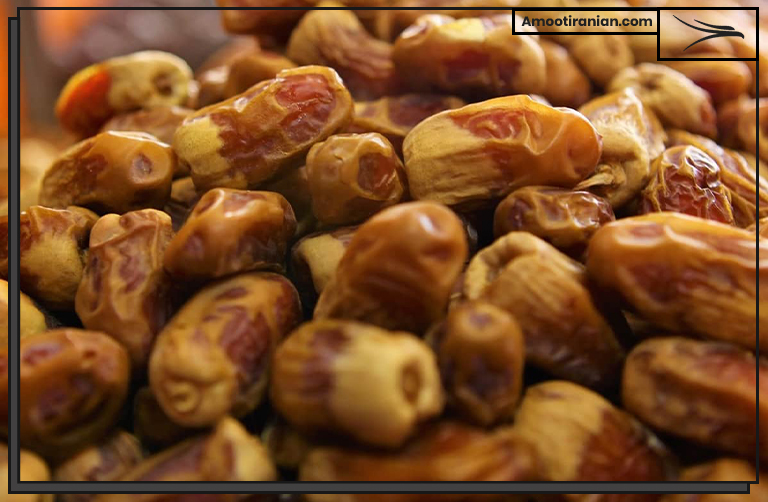
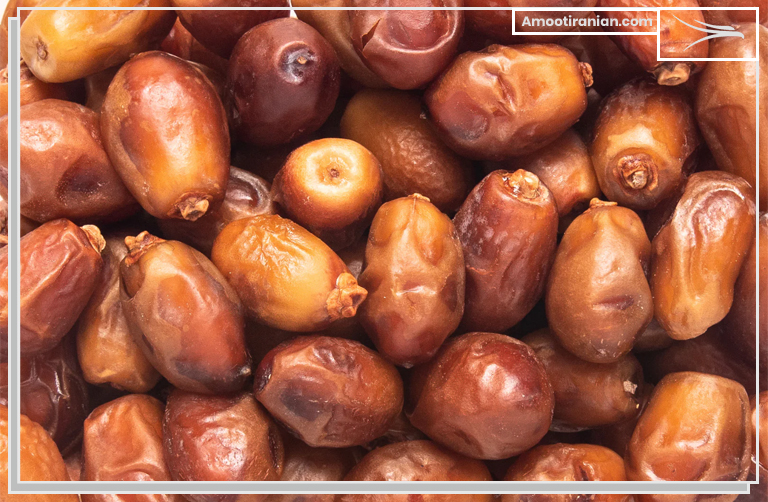
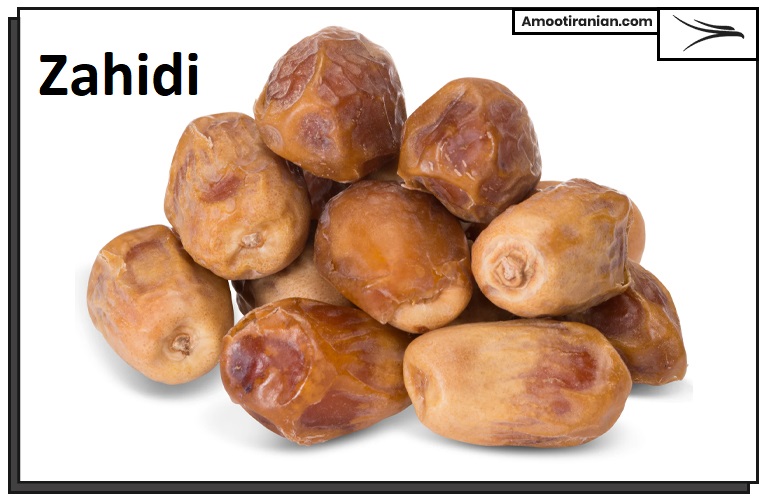
Zahidi dates stand out through their distinctive golden-yellow to light brown color and firm, chewy texture. These medium-sized dates weigh 8-12 grams each with oval to round shape. Additionally, the smooth, thin shell encases flesh offering nutty taste with subtle butterscotch notes. Therefore, zahidi provides completely different eating experience than soft varieties.

The semi-dry classification means zahidi contains approximately 15-20% moisture content. This lower moisture creates the characteristic firm texture that distinguishes zahidi from soft dates. Furthermore, the reduced moisture allows exceptional shelf life—12-18 months when stored in cool, dry conditions. Consequently, zahidi suits long-distance shipping and extended storage perfectly. Learn about dates classification.

Honestly, the flavor profile makes zahidi unique among date varieties. The nutty taste with butterscotch undertones creates complexity that appeals to those who don’t prefer extremely sweet dates. Meanwhile, the less sugary nature (50-60g sugars per 100g) compared to soft dates means more moderate sweetness. That said, zahidi still satisfies cravings while offering better blood sugar management. Explore different date varieties.

The color develops during ripening from golden-yellow when fresh to light brown when fully dried. This visual transformation indicates maturity levels. Additionally, the smooth shell makes zahidi easy to handle and process for commercial applications. The consistent size and shape facilitate uniform packaging for wholesale distribution.

The Origin of Zahidi Dates

Zahidi dates trace their roots to Iraq, where the name means “noble” or “of Zahdi” in Arabic. This noble designation reflects the historical value placed on these dates in Middle Eastern cultures. Therefore, zahidi cultivation spans centuries across the region. Discover prominent date producing countries.

Today, Iran produces the majority of high-quality zahidi for global markets. Southern Iranian regions, particularly Bushehr and Fars provinces, provide ideal growing conditions. The hot, arid climate combined with proper soil composition creates optimal zahidi cultivation environments. Furthermore, Iranian farmers maintain traditional organic cultivation methods passed through generations.

The variety was introduced to California in the early 20th century. However, Middle Eastern production, especially Iranian zahidi, dominates global supply. The adaptability to various climates makes zahidi cultivation possible in different regions. That said, authentic Iranian zahidi from traditional growing areas offers superior quality that buyers recognize.

Iran’s overall date production exceeds 1.2 million tons annually across all varieties. Zahidi represents a key semi-dry type within this impressive output. Additionally, the established infrastructure for zahidi cultivation, harvesting, and processing ensures consistent quality year after year. Learn about Iran’s dates leadership.

Zahidi Dates

Why Zahidi Dates Are Highly Sought After?

Several factors drive strong demand for Zahidi dates in global markets. First, the versatility makes zahidi valuable for diverse applications. The firm texture maintains integrity during processing into date sugar, syrup, or paste. Therefore, food manufacturers prefer zahidi for industrial uses. Explore date syrup benefits.

The economical pricing positions zahidi as accessible premium fruit. Wholesale prices ranging $1-3 per kilogram make zahidi significantly more affordable than Medjool or Piarom varieties. Consequently, buyers seeking quality dates without premium pricing choose zahidi consistently. This cost-effectiveness doesn’t compromise nutritional value or taste quality.

The lower sugar content appeals to health-conscious consumers managing blood glucose levels. With 50-60 grams of sugar per 100 grams compared to 65-80 grams in sweeter varieties, zahidi offers moderation. Additionally, the balanced glucose-fructose composition creates steadier blood sugar response. Therefore, diabetics can enjoy zahidi more confidently in appropriate portions.

The exceptional shelf life solves logistics challenges for international buyers. The 12-18 month storage capability means reduced waste and better inventory management. Furthermore, zahidi doesn’t require refrigeration like soft dates, simplifying storage requirements. This practical advantage matters significantly for wholesale distributors.

Iranian producers supply high-quality zahidi in bulk for wholesale markets. The established export infrastructure connects Iranian farms with buyers across Europe, Asia, and North America. Additionally, Iran’s competitive pricing combined with consistent quality makes Iranian zahidi the preferred choice globally. Discover Iran as dates exporter.

Zahidi Dates’ Nutrients and Health Benefits

Zahidi dates provide impressive nutritional density with balanced composition supporting various health goals. Let me break down the complete nutritional profile for you.

Complete Nutritional Breakdown

Per 100 grams of dried zahidi:

NutrientAmountHealth Benefits
Calories260-280 kcalModerate energy, lower than sweet varieties
Carbohydrates65-75gSustained fuel source
Sugars50-60gBalanced, steadier blood sugar
Fiber7-8gExcellent digestive support
Protein2-3gEssential amino acids
Fat0.2-0.5gMinimal, heart-healthy
Potassium600-680mgHeart and muscle function
Iron1-2mgPrevents anemia
Calcium50-60mgBone health
B-VitaminsNotable amountsMetabolism and nerve health

The fiber content reaches 7-8 grams per 100 grams—higher than many soft date varieties. This exceptional fiber promotes digestive health effectively while creating satiety. Therefore, zahidi helps manage weight by reducing overall calorie intake through improved fullness. Learn about dates and weight management.

The potassium content (600-680mg per 100g) supports cardiovascular health through blood pressure regulation. This mineral balances sodium effects naturally. Additionally, adequate potassium intake reduces heart disease risk according to extensive research.

Evidence-Based Health Benefits

Digestive Health: The high fiber content (7-8g per 100g) promotes regular bowel movements naturally. The combination creates optimal digestive benefits without discomfort. Furthermore, zahidi acts as natural prebiotic, feeding beneficial gut bacteria. Discover digestive benefits.

Blood Sugar Management: The lower sugar content with balanced glucose-fructose composition helps regulate blood sugar more effectively than ultra-sweet varieties. Therefore, zahidi suits diabetics better when consumed in moderation of 2-3 dates daily under medical supervision.

Heart Health: The potassium content combined with minimal sodium creates ideal electrolyte balance. Additionally, studies show dates may help lower cholesterol levels naturally. The antioxidants prevent LDL oxidation—critical for cardiovascular protection.

Antioxidant Power: Zahidi contains rich polyphenols and flavonoids that combat oxidative stress. These compounds protect cells from free radical damage. Therefore, regular zahidi consumption may reduce chronic disease risk including certain cancers.

Energy Support: The balanced carbohydrate profile provides sustained energy without excessive sugar spikes. Athletes benefit from zahidi as steady fuel source. Furthermore, the B-vitamins support energy metabolism at cellular levels.

Brain Function: The natural sugars combined with B-vitamins support cognitive function. Additionally, antioxidants protect brain cells from oxidative damage. Research suggests date consumption may support healthy aging and mental clarity.

Honestly, the recommended intake is 3-5 Zahidi dates daily for optimal benefits. This amount provides substantial nutrition (approximately 30-50 grams) without excessive calories. That said, active individuals may consume more based on energy needs. Explore comprehensive health benefits.

Zahidi Dates

Zahidi Dates’ Price

Zahidi dates offer exceptional value with retail pricing typically ranging $3-6 per kilogram depending on quality grade and market location. This economical pricing makes zahidi accessible for regular consumption compared to premium varieties.

Several factors influence zahidi pricing. The grade affects cost—premium organic zahidi commands higher prices than standard grades. Additionally, packaging impacts retail pricing. Consumer-ready packages cost more per kilogram than bulk options. Furthermore, certified organic zahidi adds $1-2 premium per kilogram.

Geographic location matters significantly. In Iranian producing regions, zahidi costs substantially less due to eliminated transport expenses. However, international markets see higher prices reflecting import costs and distribution. That said, zahidi remains more affordable than Medjool or Piarom even with these additions.

The harvest quality varies annually based on weather conditions. Exceptional years produce better fruit commanding slightly higher prices. Additionally, the timing within the harvest season affects availability and pricing. Early season zahidi may cost more due to limited supply.

Zahidi Dates’ Wholesale Price

Wholesale pricing for Zahidi dates ranges $1-3 per kilogram depending on grade and volume. This competitive pricing positions zahidi as excellent value proposition for commercial buyers.

GradePrice per kgMinimum OrderQuality Level
Premium$2.50-3.00500kg+Uniform size, minimal defects
Standard$2.00-2.501,000kg+Good quality, minor variations
Commercial$1.00-2.002,000kg+Suitable for processing

Volume significantly impacts pricing. Orders exceeding 5,000 kilograms secure best rates through economies of scale. Additionally, establishing ongoing supply relationships enables better pricing negotiation. Direct sourcing from Iranian producers eliminates middleman costs, reducing wholesale prices by 15-25%. Explore wholesale packaging options.

Timing affects wholesale pricing substantially. Post-harvest (September-October), prices reach annual lows as fresh supply enters markets. Therefore, strategic buyers contract during this period for year-round supply at optimal rates. However, prices increase gradually throughout the year as inventory depletes.

Frequently Asked Questions

Are Zahidi Dates Healthy?

Yes, Zahidi dates are very healthy, providing 7-8g fiber per 100g, balanced natural sugars (50-60g), and rich antioxidants that support digestive health, blood sugar regulation, and heart function. The nutritional profile makes zahidi excellent for daily consumption.

The fiber content stands out particularly—higher than many soft date varieties. This promotes digestive regularity effectively while creating lasting satiety. Therefore, zahidi helps manage weight naturally through improved fullness between meals.

The lower sugar content compared to ultra-sweet varieties benefits those monitoring blood glucose. With 50-60 grams of sugar per 100 grams versus 65-80 grams in soft dates, zahidi offers moderation. Additionally, the balanced composition creates steadier energy release without dramatic spikes. Learn comprehensive benefits.

What Is the Difference Between Zahidi Dates and Regular Dates?

Zahidi dates differ from regular soft dates through firmer texture (15-20% moisture), lower sugar content (50-60g vs 65-80g per 100g), nutty butterscotch flavor instead of intense sweetness, and significantly lower price ($1-3/kg wholesale vs $4-7/kg for premium varieties). These differences create distinct use cases.

The texture represents the most obvious distinction. Zahidi maintains firm, chewy consistency while Medjool or Mazafati offer soft, almost creamy texture. Therefore, zahidi suits applications requiring dates to hold shape during processing or cooking. Compare date varieties.

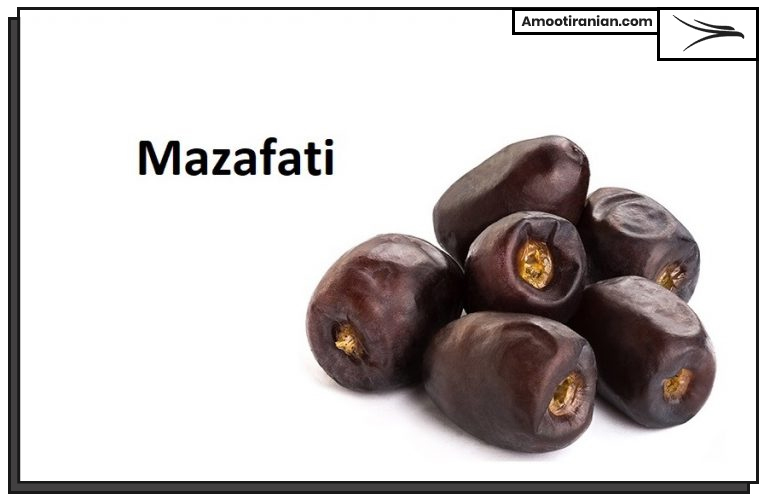
The color differs substantially. Zahidi’s golden-yellow to light brown contrasts with the dark brown or black appearance of varieties like Mazafati or Piarom. This unique golden color makes zahidi visually distinctive in mixed presentations.

What Country Are Zahidi Dates From?

Zahidi dates originated in Iraq but are now primarily produced in Iran, particularly in Bushehr and Fars provinces, which supply the majority of high-quality zahidi for global export markets. Iranian zahidi dominates international trade today.

While Iraq claims historical origin, modern commercial production centers in southern Iran. The hot, arid climate combined with traditional cultivation expertise makes Iranian zahidi superior in quality. Therefore, discerning buyers specifically seek Iranian zahidi for optimal taste and texture. Discover Iran’s date leadership.

California produces small quantities following early 20th-century introduction. However, Middle Eastern production, especially from Iran, far exceeds American output. Additionally, Iranian zahidi maintains stronger flavor profile and better texture consistency valued by commercial buyers.

What Do Zahidi Dates Taste Like?

Zahidi dates taste nutty with butterscotch undertones, offering moderate sweetness that’s less intense than soft varieties, creating a unique flavor profile that appeals to those preferring balanced rather than very sweet dates. The taste complexity distinguishes zahidi remarkably.

The nutty flavor emerges as the dominant note. This savory-sweet combination creates depth that ultra-sweet dates lack. Additionally, the butterscotch hints add caramel-like richness without overwhelming sweetness. Therefore, zahidi suits savory applications better than intensely sweet varieties.

The moderate sweetness level balances perfectly for versatile use. You can enjoy zahidi fresh as snacks without feeling overwhelmed by sugar. Furthermore, the flavor complements both sweet and savory dishes beautifully. That said, don’t expect the intense caramel sweetness of Medjool—zahidi offers more restrained, sophisticated taste.

Conclusion

Zahidi dates deliver exceptional value through balanced nutrition, versatile applications, and economical pricing. These noble dates from Iran offer practical excellence for both consumers and commercial buyers seeking quality without premium pricing.

The firm texture, moderate sweetness, and extended shelf life make zahidi ideal for diverse uses—from fresh snacking to industrial processing. Additionally, the impressive fiber content and balanced sugar composition support health goals effectively.

At Amoot Iranian Trading Company, we source premium Zahidi dates directly from established producers in Bushehr and Fars provinces. Our 15+ years of global export experience ensures consistent quality, proper organic certification, and competitive wholesale pricing starting from $1-3 per kilogram. We supply to 40+ countries worldwide with flexible packaging options.

Ready to experience high-quality Zahidi dates from Iran? Contact Amoot Iranian Trading Company today to discuss your dates supply needs. We offer premium, standard, and commercial grades with volume discounts and private label services available.

PS: Explore our complete Zahidi dates information for detailed comparisons.

PS: Learn about various date types we supply globally.

PS: Discover wholesale date packaging options for your business.

PS: See why Amoot Iranian is your trusted dates gateway worldwide.

Amoot Iranian Trading Company

🌴 The Largest Mazafati Dates Supplier in the World

We export premium quality Mazafati, Kabkab, Piarom, Kalute and many other date varieties worldwide.

📞 Call us on WhatsApp: +98 902 360 6419
✉️ Email us at: [email protected]

Contact on WhatsApp

About The Author

Leave a Reply

Your email address will not be published. Required fields are marked *