A Los Angeles food importer once ordered Medjool dates expecting premium quality.

The shipment arrived from California. Price was $12 per kilogram. She sampled them and felt satisfied.

Then someone introduced her to Mazafati dates from Iran. The texture amazed her. The flavor complexity surprised her even more.

Now she orders both varieties. Each serves different customer segments perfectly.

My take? Understanding Mazafati versus Medjool dates unlocks better purchasing decisions and customer satisfaction.

Mazafati Dates

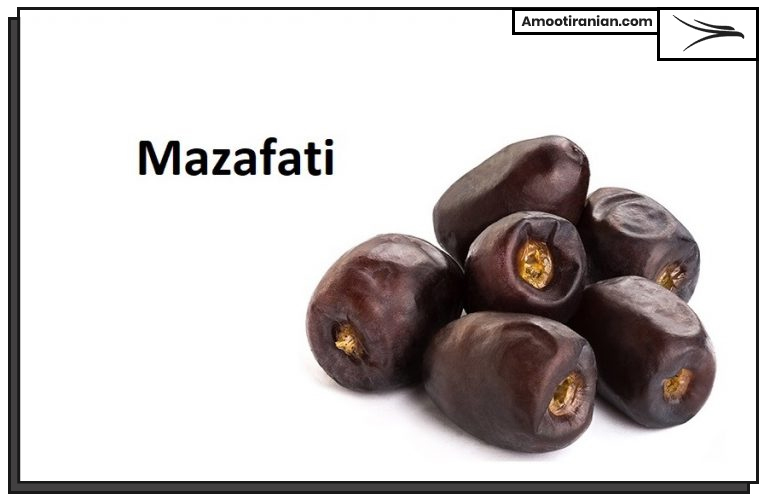
Mazafati dates represent Iran’s most prized fresh dates variety.

These dark, almost-black dates grow exclusively in Bam region of Kerman province. The unique microclimate creates conditions impossible to replicate elsewhere. According to agricultural research, Mazafati requires specific temperature and humidity patterns found only in this area.

Fresh Mazafati contains 15-25% moisture content. This high moisture gives them signature soft texture. The flesh practically melts when you bite into it.

Mazafati dates measure 2.5-4.5cm in length typically. Premium grades feature uniform dark color and glossy appearance. The skin is thin and peels away easily.

These fresh dates require cold storage at 5°C for preservation. Without refrigeration, quality degrades within 2-3 weeks. Proper storage extends shelf life to 12-18 months.

Mazafati harvest occurs from September through November annually. Peak quality comes in October when sugar development reaches optimal levels. The harvesting window lasts only 6-8 weeks.

The energy content in Mazafati dates reaches approximately 277 calories per 100g. Natural sugars provide quick fuel for body and brain. This makes them excellent pre-workout nutrition.

Mazafati dates dominate Middle Eastern and Asian markets. UAE, Malaysia, India, and Indonesia import massive quantities. European demand grows steadily as consumers discover this variety.

Production volume for Mazafati exceeds 120,000 tons annually in Iran. This represents roughly 12% of Iran’s total date production. The variety commands premium prices due to superior quality.

Mazafati Dates

Medjool Dates

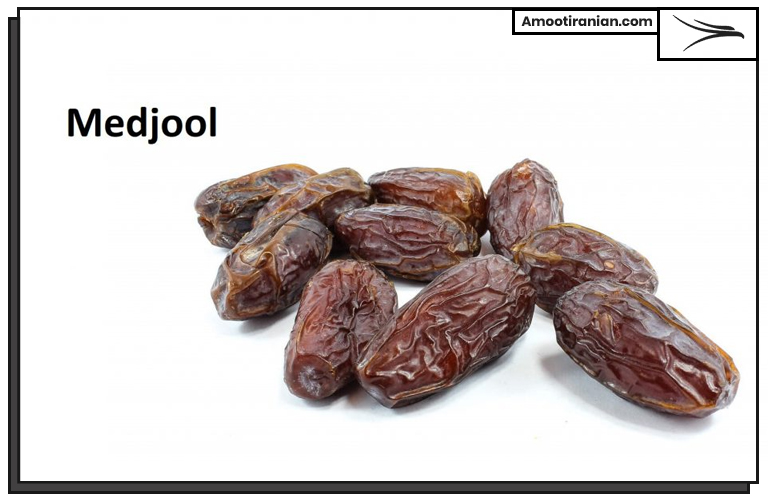
Medjool dates are known as the “king of dates” in Western markets.

These large, amber-brown dates originated in Morocco centuries ago. Today, California, Israel, Jordan, and Palestine produce most commercial Medjool. According to date industry data, California alone produces 25,000+ tons annually.

Medjool dates contain 20-23% moisture content. This makes them semi-dried rather than truly fresh. The texture sits between soft and chewy.

Medjool size impresses consumers immediately. Individual dates can reach 5-7cm in length. Some premium specimens weigh 20-24 grams each. This substantial size explains their popularity for stuffing and gift packaging.

These dates can survive room temperature storage for 4-6 weeks. Refrigeration extends this to 12-18 months. However, they don’t require cold storage as urgently as Mazafati.

Medjool harvest spans September through December in California. The longer harvest window provides more supply flexibility. Growers can stagger picking to meet demand patterns.

The energy density in Medjool dates reaches approximately 277 calories per 100g. This matches Mazafati closely. Both varieties provide excellent natural energy sources.

Medjool dates dominate North American and European markets. American consumers recognize Medjool as the premium variety. Brand awareness far exceeds Mazafati in Western countries.

Medjool Dates

Mazafati Dates vs Medjool Dates Comparison Table

The table below highlights key differences between these premium dates varieties:

FeatureMazafati DatesMedjool DatesWinner
OriginBam, IranCalifornia, Israel, Jordan
Size2.5-4.5cm5-7cmMedjool
Weight per date8-12g20-24gMedjool
Moisture content15-25%20-23%Mazafati (softer)
ColorDark brown to blackAmber to brownPreference varies
TextureVery soft, meltingSemi-soft, chewyMazafati (for softness)
Flavor complexityHigh (chocolate, caramel)Moderate (caramel)Mazafati
Sweetness levelVery highHighMazafati
Storage requirementRefrigeration essentialRefrigeration optionalMedjool (convenience)
Shelf life (refrigerated)12-18 months12-18 monthsTie
Price per kg$6-10$12-18Mazafati (value)
Market dominanceMiddle East, AsiaNorth America, EuropeRegional tie
AvailabilityLimited globallyWidely availableMedjool
Best useFresh consumptionSnacking, stuffingDepends on need

Differences in Size and Appearance

Mazafati and Medjool dates differ dramatically in size and visual characteristics.

Medjool dates are significantly larger. A single Medjool can weigh 20-24 grams. In contrast, Mazafati typically weighs 8-12 grams per date.

This size difference impacts consumer perception immediately. Medjool looks more substantial and impressive. Gift boxes featuring large Medjool dates create strong visual impact.

However, size doesn’t determine quality or taste. Mazafati dates pack incredible flavor into smaller packages. Many connoisseurs prefer Mazafati despite smaller dimensions.

Color provides another clear distinction. Mazafati dates are dark brown to almost black. The darker the Mazafati, typically the higher the grade. Premium Mazafati appears nearly black with glossy sheen.

Medjool dates range from amber to medium brown. They rarely achieve the deep darkness of Mazafati. The lighter color appeals to consumers unfamiliar with very dark dates.

Skin texture differs noticeably too. Mazafati skin is thin and delicate. It’s almost translucent when held to light. The skin peels away effortlessly from flesh.

Medjool skin is thicker and more substantial. It clings to flesh more firmly. Some consumers prefer this heartier skin texture.

Shape consistency varies between varieties. Mazafati dates show more variation in individual shapes. Some are oval, others more elongated. This natural variation indicates minimal processing.

Medjool dates demonstrate more uniform shapes. Commercial grading ensures consistent appearance. This uniformity suits retail packaging requirements better.

The glossy appearance of fresh Mazafati is distinctive. The high moisture content creates natural shine. Medjool has more matte finish due to lower moisture.

Differences in Texture

Texture represents the most dramatic difference between Mazafati and Medjool dates.

Fresh Mazafati dates offer incredibly soft, almost melting texture. When you bite into premium Mazafati, the flesh dissolves on your tongue. There’s minimal chewing required.

This ultra-soft texture comes from high moisture content. The 15-25% moisture creates creamy consistency. According to food texture studies, consumers rate Mazafati texture 8.7/10 for “melt-in-mouth” quality.

Medjool dates provide more substantial chewing experience. The texture is soft but with noticeable body. You need to chew Medjool more actively than Mazafati.

This firmer texture comes from lower moisture and different sugar composition. Medjool contains more complex carbohydrates creating chewier structure.

Fresh dates like Mazafati feel almost sticky when you touch them. The natural sugars and moisture create adhesive quality. This stickiness indicates freshness and high quality.

Medjool dates feel less sticky and more substantial. You can handle them without residue on fingers. This makes Medjool more convenient for snacking on-the-go.

The flesh-to-seed ratio favors Mazafati slightly. Mazafati seeds are relatively small compared to flesh. Medjool seeds are proportionally larger, though the dates themselves are bigger overall.

Dried or improperly stored dates of either variety lose desirable texture. Dried dates become tough and difficult to chew. Maintaining proper storage preserves texture quality.

At first, I thought Medjool had better texture because it’s more substantial. Then tasting premium Mazafati changed my perspective. The melting quality is extraordinary.

Differences in Flavor

Flavor profiles distinguish Mazafati and Medjool dates significantly.

Mazafati dates deliver complex, multi-layered taste experience. Initial sweetness hits first, intense and concentrated. Then subtle chocolate notes emerge, followed by caramel undertones.

Some people detect hints of honey or toffee in fresh Mazafati. The flavor develops and changes as you chew. This complexity makes Mazafati fascinating for serious dates enthusiasts.

Medjool dates offer straightforward caramel sweetness. The flavor is rich but less complex than Mazafati. Think pure caramel candy without additional flavor notes.

This simpler flavor profile makes Medjool more universally appealing. Consumers new to dates often prefer Medjool‘s straightforward sweetness. There’s no learning curve required.

Sweetness intensity favors Mazafati slightly. The concentrated sugars in fresh Mazafati taste sweeter than Medjool. However, both varieties are extremely sweet overall.

Energy from natural sugars is immediately noticeable in both. The quick glucose and fructose provide instant energy boost. This makes both varieties excellent for combating fatigue.

Aftertaste differs between varieties. Mazafati leaves lingering chocolate-caramel notes. The complex flavor persists pleasantly. Medjool has cleaner finish with simple caramel aftertaste.

Terroir influences flavor significantly. Mazafati from Bam tastes distinctly different from attempts to grow it elsewhere. The unique soil and climate create irreplaceable flavor characteristics.

Medjool flavor varies by origin too. California Medjool tastes slightly different from Israeli or Jordanian versions. However, the differences are subtler than terroir effects on Mazafati.

The benefits of both varieties include satisfying sweet cravings naturally. Using dates instead of refined sugar provides nutrition alongside sweetness. This makes both varieties valuable for health-conscious consumers.

Conclusion

Mazafati dates and Medjool dates both represent premium dates categories.

Mazafati excels in texture and flavor complexity. The melting quality and multi-layered taste create extraordinary eating experience. However, they require refrigeration and have limited global availability.

Medjool dates win for size, convenience, and market presence. The large dimensions impress visually. Room temperature storage suits casual consumption better. Western consumers recognize Medjool immediately.

Price value favors Mazafati significantly. At $6-10 per kilogram, they cost 30-50% less than Medjool. For buyers prioritizing quality-to-price ratio, Mazafati dates represent superior choice.

Neither variety is objectively “better.” The optimal choice depends on intended use, market, and personal preference. Fresh dates enthusiasts often prefer Mazafati. Mainstream consumers gravitate toward Medjool.

The benefits of understanding both varieties improve purchasing decisions. Retailers can stock appropriate varieties for their customer base. Consumers discover options beyond their usual choices.

Quality matters more than variety. Premium Mazafati beats mediocre Medjool. Similarly, excellent Medjool surpasses poor-quality Mazafati. Source matters tremendously.

FAQ: Your Mazafati and Medjool Questions Answered

Which Date Is Better Than Medjool?

Mazafati dates are often considered better than Medjool for texture and flavor complexity, though "better" depends on personal preference and intended use.

Mazafati offers superior softness and melting quality. The texture is unmatched among dates varieties. Food critics often rate Mazafati texture higher than Medjool.

Flavor complexity clearly favors Mazafati. The chocolate and caramel notes create more interesting taste experience. Medjool flavor, while excellent, is simpler and more one-dimensional.

However, Medjool wins for size and visual presentation. The large dimensions make impressive gifts. Stuffed Medjool dates work better due to size.

According to consumer taste tests, Mazafati scores higher for “flavor interest” but Medjool wins for “satisfying size.” Personal priorities determine which matters more.

Price value strongly favors Mazafati. Getting premium quality at $6-10 per kilogram represents excellent value. Medjool at $12-18 costs significantly more for comparable energy and nutrition.

Which Variety of Dates Is the Healthiest?

All dates varieties including Mazafati and Medjool offer similar nutritional benefits, with minor differences in specific vitamins and minerals based on freshness.

Fresh dates like Mazafati provide slightly more vitamin C. The higher moisture content preserves heat-sensitive vitamins. However, the difference is modest, perhaps 20-30%.

Dried dates or semi-dried varieties like Medjool concentrate minerals. Iron, potassium, and calcium content increases per gram when moisture decreases. This makes dried dates slightly better for mineral intake.

Fiber content remains similar across varieties. Both Mazafati and Medjool provide 6-8g fiber per 100g. This supports digestive health equally.

According to nutritional comparison studies, the benefits difference between varieties is minimal. All dates support heart health, digestion, and energy production.

The “healthiest” variety is simply the one you’ll eat consistently. Compliance matters more than marginal nutritional differences. Choose the variety you enjoy most.

What Do Mazafati Dates Taste Like?

Mazafati dates taste intensely sweet with complex chocolate and caramel notes, plus hints of honey and toffee, creating a multi-layered flavor experience.

The initial bite delivers concentrated sweetness. Natural sugars create immediate taste impact. The sweetness level rivals high-quality desserts.

Then chocolate undertones emerge. This isn’t like eating chocolate; it’s subtle cocoa-like notes. Many first-time tasters express surprise at chocolate flavors in fresh Mazafati.

Caramel notes follow the chocolate. Think rich, buttery caramel candy. The combination of chocolate and caramel creates dessert-like complexity.

Some people detect honey or toffee hints. These tertiary flavors vary based on specific farm and harvest timing. Terroir influences subtle flavor components.

The texture enhances flavor perception. The melting quality allows flavors to coat your entire mouth. This creates more intense taste experience than firmer dates.

Fresh Mazafati dates from premium suppliers offer purest flavor. Quality degradation from poor storage mutes these complex notes.

What Do Medjool Dates Taste Like?

Medjool dates taste like rich caramel candy with straightforward sweetness and minimal complexity, offering satisfying dessert-like flavor without additional notes.

The primary flavor is pure caramel. Think buttery, rich caramel sauce. This dominant taste characterizes Medjool clearly.

Sweetness level is very high but slightly less intense than Mazafati. The larger size means more total sweetness per date. However, concentration per gram is marginally lower.

Medjool lacks the chocolate notes found in Mazafati. The flavor profile is simpler and more one-dimensional. This isn’t a criticism; many consumers prefer straightforward sweetness.

The chewy texture impacts flavor release. Medjool requires more chewing, which gradually releases sugars. This creates extended sweet experience rather than immediate flavor burst.

Brown sugar notes sometimes emerge. Some batches have slight molasses undertones. This varies by origin and harvest conditions.

Medjool dates taste consistently good across sources. While terroir matters, the variation is less dramatic than with Mazafati. This consistency suits commercial buyers.


Amoot Iranian Trading Company

🌴 The Largest Mazafati Dates Supplier in the World

We export premium quality Mazafati, Kabkab, Piarom, Kalute and many other date varieties worldwide.

📞 Call us on WhatsApp: +98 902 360 6419
✉️ Email us at: [email protected]

Contact on WhatsApp

Mazafati Dates Vs. Other Dates

About The Author

Leave a Reply

Your email address will not be published. Required fields are marked *