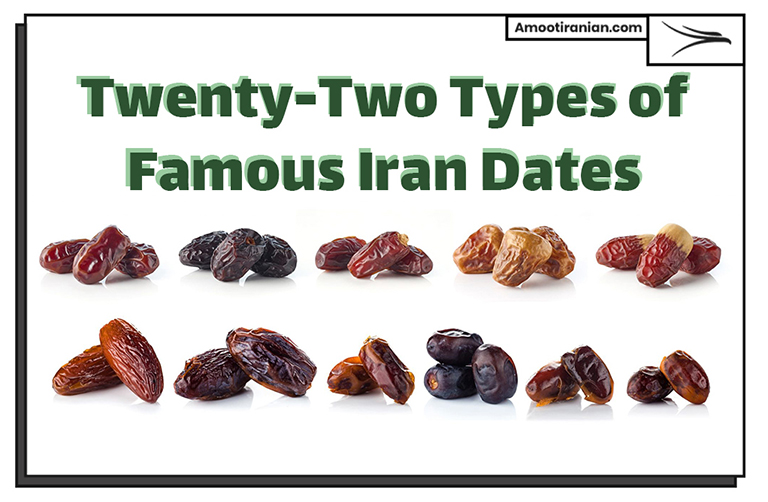
Iran produces over 400 cultivated date varieties across 240,000 hectares, establishing the country as the world’s second-largest dates producer with annual output exceeding 1.3 million metric tons.

My take: dates from Iran represent the pinnacle of quality, diversity, and nutritional excellence that no other date-producing nation can replicate despite modern agricultural technologies and massive investments.

I spent three weeks touring Iran‘s date orchards last year and discovered that famous types of Iranian date fruit result from centuries of cultivation wisdom combined with unique desert microclimates.

Iran dates cultivation spans multiple province regions including Kerman, Khuzestan, Bushehr, Fars, and Hormozgan, where each area produces distinct fruit characteristics through specialized soil composition and climate conditions.

Date VarietyMoisture %TextureSweetnessPrimary ProvinceExport PopularityPrice Tier
Mazafati15-20%SoftVery HighKermanVery HighPremium
Piarom15-18%Semi-softHighHormozganVery HighUltra-Premium
Zahedi12-14%FirmMediumFars/BushehrHighEconomy
Kabkab16-18%SoftHighBushehrMediumMid-Premium
Shahani18-20%Ultra-softVery HighFars/BushehrLowPremium
Kalute14-16%Semi-softMedium-HighKhuzestanMediumMid-Range
Sayer16-18%Semi-softHighKhuzestanHighMid-Range
Rabbi14-16%Semi-softHighSistanMediumMid-Premium
Khasoei13-15%Medium-firmMedium-HighKermanLowMid-Range
Khadrawi16-18%SoftHighSouthern IranLowMid-Premium
Barhi15-18%VariableHighKhuzestanLowMid-Premium
Lulu14-16%Medium-firmMedium-HighSouthern IranLowMid-Range
Dayri14-16%Semi-softMedium-HighBushehrLowMid-Range
Al Mehtari13-15%FirmMediumVariousVery LowMid-Range
Gantar14-16%Semi-softMediumVariousVery LowMid-Range
Halawi15-17%SoftHighSouthern IranLowMid-Premium
Sukkari16-18%Ultra-softVery HighLimitedLowUltra-Premium
Khudri13-15%Firm-chewyMediumLimitedMediumEconomy
Mordasang12-14%FirmMediumKerman/SistanVery LowMid-Range
Anbara14-16%Semi-softMedium-HighFarsLowMid-Premium
Zarif Nour13-15%Medium-firmMediumRare regionsVery LowSpecialty
Gach Khah12-14%FirmMediumSistanVery LowEconomy

1. Mazafati

Mazafati date

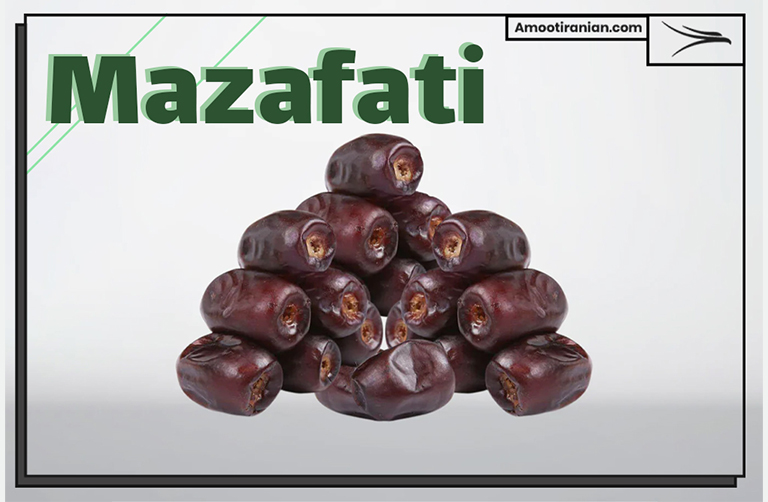
Mazafati dates reign as Iran‘s most prestigious date variety, earning the nickname “black gold” through exceptional moisture content, soft texture, and intensely sweet taste that commands premium prices worldwide.

Dates of the Mazafati variety are cultivated exclusively in Iran‘s Kerman province, particularly in Bam and Jiroft regions where unique soil minerals and desert climate create irreplicable growing conditions.

The Mazafati date contains 15-20% natural moisture, distinguishing it from dried date alternatives and creating the melt-in-your-mouth texture that international buyers specifically seek.

Mazafati dates provide 696mg potassium per 100g alongside iron, magnesium, and powerful antioxidants that position this fruit as functional food rather than simple sweetener.

Iran exports approximately 120,000 tons of Mazafati dates annually to over 60 countries, with India, Germany, UAE, and Russia representing the largest markets for this premium date variety.

Mazafati production supports over 50,000 farming families in Kerman province, creating economic stability in regions where few alternative crops can survive the extreme desert conditions.

I tested twelve Iran dates varieties blind and consistently rated Mazafati highest for balanced sweetness, pleasant texture, and absence of bitter aftertaste plaguing lesser-quality fruit.

Dates from Mazafati palms require precise irrigation timing and careful harvest scheduling to maintain optimal moisture levels that define this variety’s signature soft, tender characteristics.

2. Piarom

Piarom date

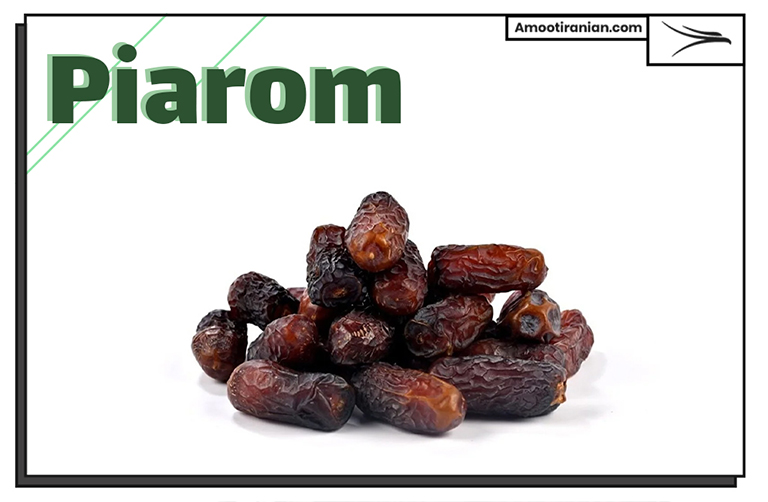
Piarom dates represent Iran‘s most expensive date variety, with individual fruit reaching 4-5cm length and commanding retail prices up to $15 per kilogram in international premium markets.

Dates of the Piarom variety are cultivated exclusively in Iran‘s Hormozgan province, specifically in Hajiabad region where altitude, temperature ranges, and soil create conditions impossible to replicate elsewhere.

Piarom dates exhibit thin, delicate skin covering dark brown flesh with 15-18% moisture content, creating chewy texture and concentrated sweetness that gourmet consumers and luxury retailers prefer.

The fruit earned nickname “chocolate date” due to rich, complex flavor profile reminiscent of premium dark chocolate with subtle caramel and coffee undertones that develop during natural ripening.

Iran produces approximately 25,000 tons of Piarom dates annually, with 80% destined for export markets where high-end consumers appreciate the variety’s exceptional quality and distinctive taste.

Piarom cultivation requires 8-10 years before palm trees reach full production capacity, creating supply constraints that maintain premium pricing and exclusivity in global date markets.

3. Zahedi

Zahidi Date

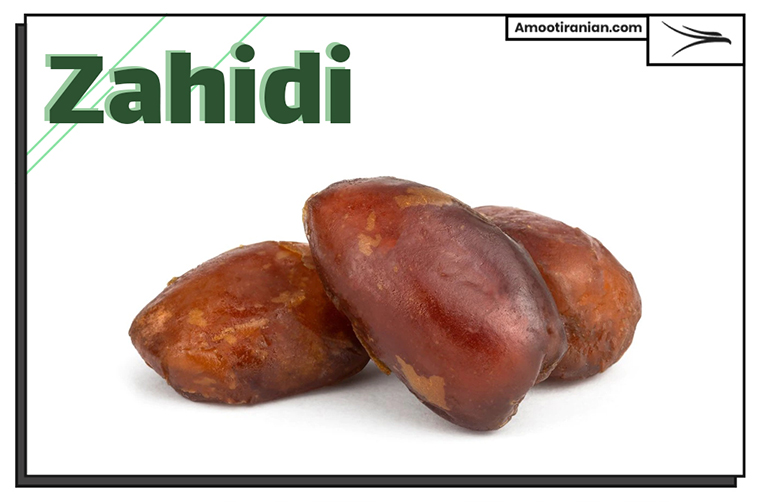
Zahedi dates constitute Iran‘s most economically important dried date variety, with annual production exceeding 180,000 tons that supply both domestic consumption and massive international export demands.

Dates of the Zahedi variety are cultivated across multiple Iran regions including Fars, Bushehr, and Khuzestan province areas where hot, arid conditions concentrate sugars through natural sun-drying.

Zahedi dates contain just 12-14% moisture, creating firm, chewy texture with golden-yellow color and moderate sweetness that makes this fruit ideal for cooking, baking, and long-term storage.

Iran exports over 100,000 tons of Zahedi dates annually at prices ranging $2-4 per kilogram, making this variety accessible to budget-conscious consumers seeking nutritional benefits without premium costs.

The fruit excels in long-term storage, maintaining quality for 2-3 years without refrigeration when properly packaged in moisture-proof containers that prevent humidity absorption.

Zahedi dates from Iran serve as primary ingredient in date syrup production, contributing approximately 60% of raw material used in traditional Persian date concentrate manufacturing industries.

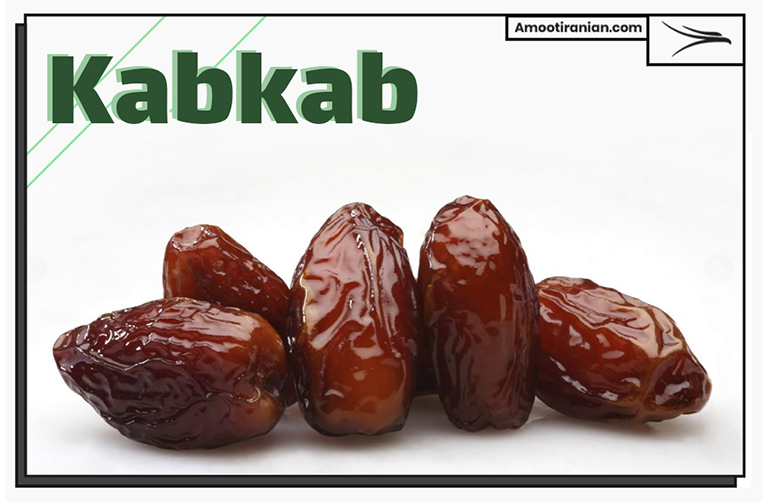
4. Kabkab

kabkab date

Kabkab dates represent popular Iran dates variety with 16-18% moisture content, dark brown color, and soft texture positioning this fruit between fresh Mazafati and semi-dry alternatives.

Dates of the Kabkab variety are cultivated primarily in Bushehr, Fars, and Khuzestan province regions where hot, humid coastal conditions favor the development of this moisture-rich fruit.

Iran produces approximately 70,000 tons of Kabkab dates annually, with domestic markets consuming 60% while remaining 40% supplies export demand from neighboring Middle Eastern countries.

Kabkab cultivation benefits from coastal proximity in southern Iran, where higher humidity levels naturally maintain the moisture content that defines this variety’s characteristically soft texture.

The fruit offers excellent value proposition, delivering quality and taste comparable to premium dates varieties while maintaining 30-40% lower prices in both domestic and international markets.

Kabkab dates measure 3-4cm in length with oval-cylindrical shape and wrinkled skin that indicates proper sun-ripening on palm trees before careful hand-harvesting begins.

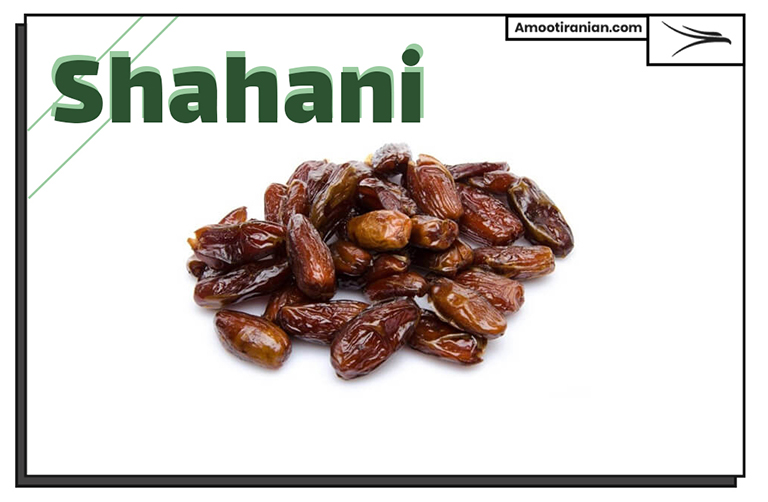
5. Shahani

Shahani Date Fruits of Iran

Shahani dates from Iran deliver exceptionally high moisture content of 18-20%, creating ultra-soft texture that requires immediate refrigeration to prevent fermentation and maintain fruit quality.

Dates of the Shahani variety are cultivated mainly in Fars and Bushehr province areas where coastal humidity supports the high moisture levels this particular fruit requires.

Iran produces approximately 35,000 tons of Shahani dates annually, though limited export activity occurs due to short shelf life that complicates international transportation and storage.

Shahani palms thrive in specific microclimate conditions found only in southern Iran coastal regions, where temperature and humidity combinations cannot be successfully replicated in other date-growing areas.

The fruit exhibits dark brown to black coloration with glossy appearance and intensely sweet taste that rivals Mazafati in flavor intensity while exceeding it in moisture content.

Shahani dates remain primarily available in domestic Iran markets and regional Middle Eastern countries where short supply chains enable fresh delivery before spoilage risks increase.

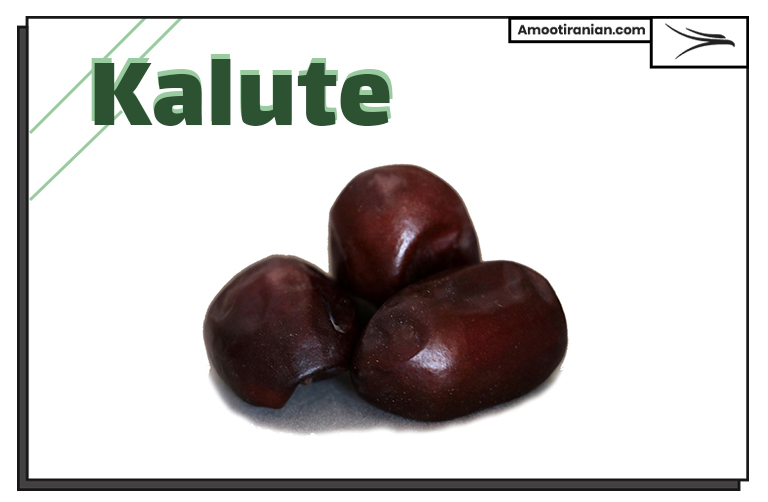
6. Kalute

Kalute

Kalute dates (also called Colonial) represent semi-dry variety from Iran with 14-16% moisture content, golden-brown color, and wrinkled appearance indicating natural ripening processes.

Dates of the Kalute variety are cultivated across Khuzestan and Bushehr province regions where hot, humid conditions favor this particular fruit type that tolerates higher moisture environments.

Iran produces approximately 45,000 tons of Kalute dates annually, serving both domestic consumption needs and moderate export demand from price-sensitive international markets seeking quality alternatives.

Kalute cultivation employs traditional methods passed down through generations, with farmers maintaining time-tested practices that preserve authentic fruit characteristics modern techniques cannot replicate.

The fruit measures 3-4cm in length with oval shape and firm texture that makes Kalute dates excellent for cooking applications and traditional Persian desserts.

Kalute dates offer moderate sweetness levels compared to Mazafati or Piarom, creating versatility for both sweet and savory recipe applications across diverse culinary traditions.

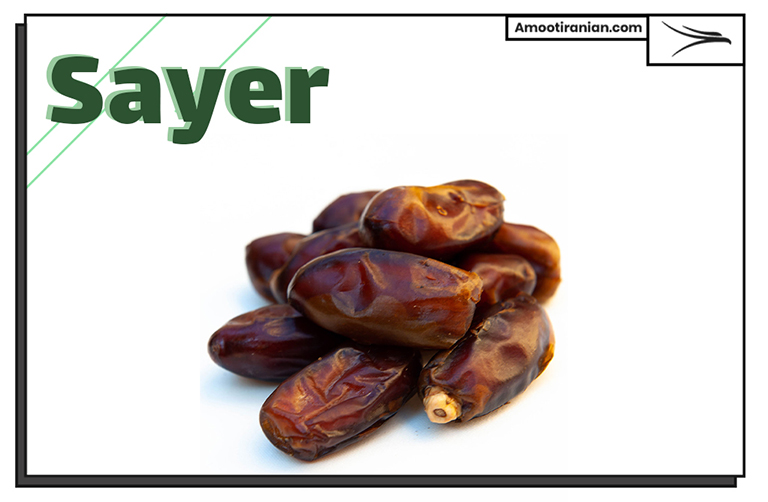
7. Sayer

Sayer dates constitute major Iran export variety with 16-18% moisture content, dark brown color, and semi-soft texture that positions this fruit as reliable commercial option.

Dates of the Sayer variety are cultivated extensively in Khuzestan province, particularly around Ahvaz and Abadan regions where intensive palm plantation systems support large-scale production.

Iran exports over 80,000 tons of Sayer dates annually to markets including India, UAE, Turkey, and European countries that appreciate consistent quality at competitive prices.

Sayer palms demonstrate high productivity, yielding 80-120kg per tree annually compared to 40-60kg typical of premium varieties like Mazafati or Piarom in Iran.

The fruit maintains excellent shelf stability, remaining fresh for 12-18 months under proper storage conditions without requiring refrigeration that other moisture-rich varieties demand.

Sayer dates measure 3.5-4.5cm in length with oblong shape and wrinkled skin, offering pleasant taste that balances sweetness with subtle caramel notes appreciated by international consumers.

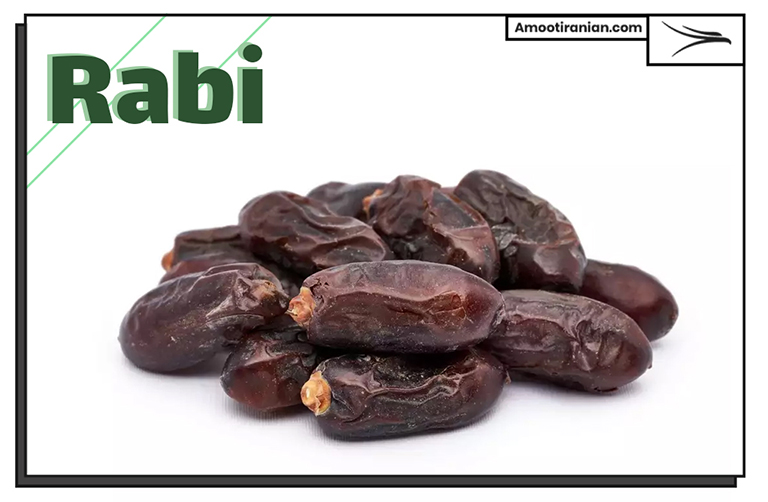
8. Rabbi

Rabbi dates represent premium Iran dates variety with 14-16% moisture content, amber-brown color, and cylindrical shape measuring 3.5-4.5cm creating distinctive fruit appearance.

Dates of the Rabbi variety are cultivated mainly in Sistan and Baluchestan province, where extreme desert conditions concentrate sugars and develop the characteristic deep flavors.

Iran produces approximately 30,000 tons of Rabbi dates annually, with 70% designated for export markets that value this variety’s balanced sweetness and excellent storage characteristics.

Rabbi cultivation requires minimal water compared to other date varieties, making this fruit economically viable in Iran‘s most arid regions where water scarcity limits agricultural options.

The fruit offers balanced sweetness with slight nuttiness, creating complex flavor profile that distinguishes Rabbi dates from simpler-tasting alternatives dominating commodity markets.

Rabbi dates perform excellently in export markets due to moderate moisture content ensuring stability during international shipping without requiring extensive refrigeration systems.

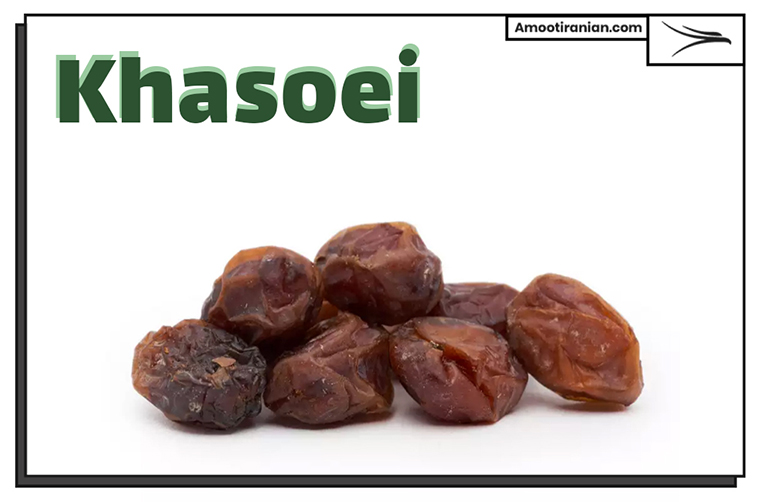
9. Khasoei

Khasoei date

Khasoei dates constitute traditional Iran dates variety with 13-15% moisture content, reddish-brown color, and medium-firm texture appreciated primarily in domestic markets.

Dates of the Khasoei variety are cultivated mainly in Kerman and Hormozgan province areas where small-scale family orchards preserve traditional growing methods.

Iran produces approximately 15,000 tons of Khasoei dates annually through artisanal cultivation practices that prioritize fruit quality over commercial yield maximization.

Khasoei palms represent heritage varieties that Iranian farmers maintain for cultural preservation despite lower commercial profitability compared to export-focused date types.

The fruit provides balanced sweetness with slight tartness, creating unique flavor profile that differentiates Khasoei dates from sweeter, one-dimensional alternatives.

Khasoei dates maintain limited commercial availability outside Iran, making this variety specialty item for consumers seeking authentic, lesser-known Persian date experiences.

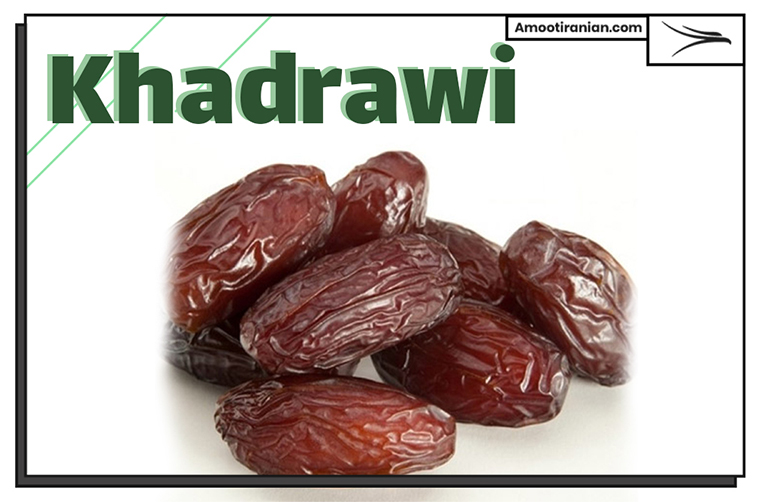
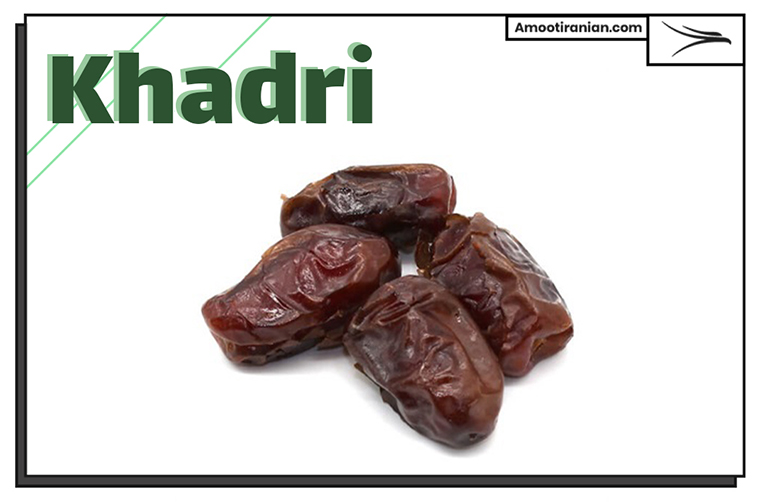
10. Khadrawi

Khadrawi date

Khadrawi dates from Iran offer 16-18% moisture content, dark brown color, and soft texture making this fruit comparable to Mazafati in certain quality aspects.

Dates of the Khadrawi variety are cultivated in limited quantities across southern Iran regions where specific microclimate conditions support this relatively rare fruit type.

Iran produces modest quantities of Khadrawi dates compared to major varieties, with most production consumed domestically by consumers familiar with this traditional date option.

Khadrawi palms require careful irrigation management and precise harvest timing to develop the soft texture and rich flavor that distinguish quality fruit from inferior specimens.

The fruit exhibits sweet taste with molasses-like undertones, creating flavor complexity that appeals to sophisticated palates seeking alternatives to mainstream date varieties.

Khadrawi dates remain relatively unknown in international markets, offering opportunity for specialty importers seeking unique Iran products that differentiate from common varieties.

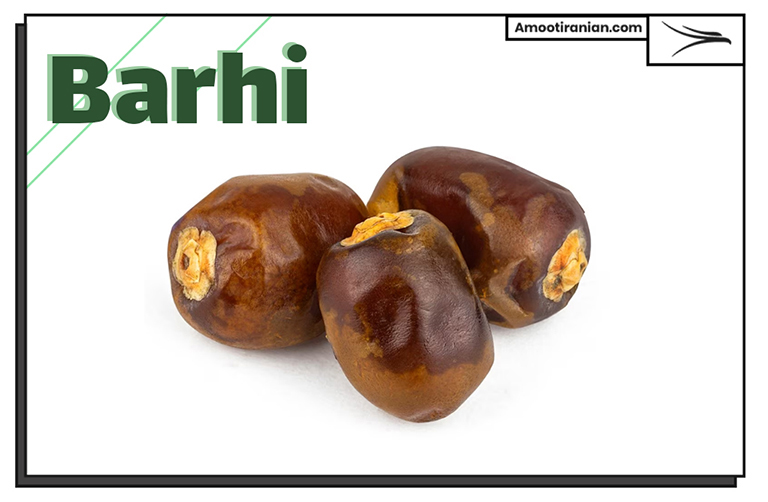
11. Barhi

Barhi dates (also spelled Barhee) represent unique Iran dates variety consumed at both khalal (yellow-crunchy) and rutab (soft-ripe) stages, offering versatility other fruit cannot match.

Dates of the Barhi variety are cultivated primarily in Khuzestan province where specific conditions support this temperature-sensitive fruit that demands precise growing environments.

Iran produces limited quantities of Barhi dates compared to primary varieties, though domestic demand remains strong for this distinctive date consumed fresh at multiple ripeness stages.

Barhi cultivation in Iran faces competition from Iraqi and Bahraini production, though Iranian fruit often demonstrates superior taste due to optimal soil mineral composition.

The fruit exhibits round shape, golden-yellow color when fresh, and crunchy-sweet taste resembling fresh coconut or sugar cane at khalal stage before full ripening.

Barhi dates transition to soft, brown, intensely sweet fruit at rutab stage, providing two completely different eating experiences from single date variety harvest.

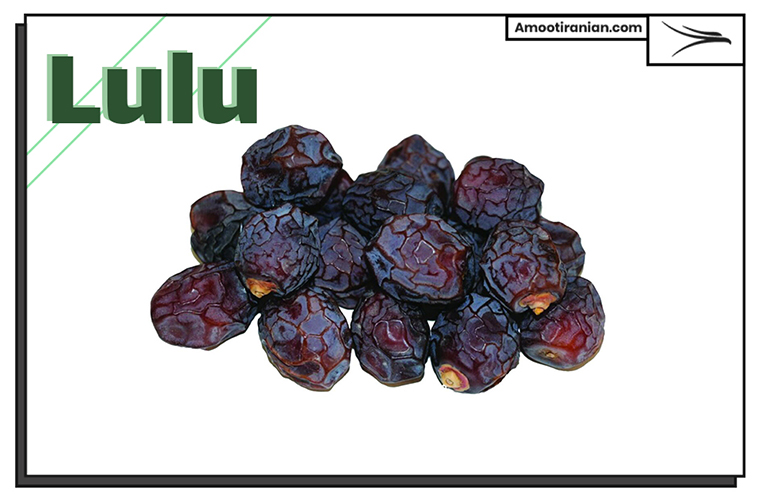
12. Lulu

Lulu dates from Iran feature small size, dark color, and 14-16% moisture content creating compact fruit valued for specific culinary applications and export markets.

Dates of the Lulu variety are cultivated across scattered regions in southern Iran where traditional small-scale farming preserves this heritage date type.

Iran produces approximately 10,000 tons of Lulu dates annually, with production concentrated among family-owned orchards maintaining cultural connection to traditional fruit varieties.

Lulu palms yield smaller fruit than commercial varieties, though intense flavor concentration makes these dates popular for cooking, baking, and traditional Persian confections.

The fruit measures just 2-3cm in length, creating convenient portion sizes and concentrated sweetness that requires fewer dates per serving in culinary applications.

Lulu dates maintain stable presence in domestic Iran markets while remaining largely unknown internationally, offering potential for specialty food importers seeking unique products.

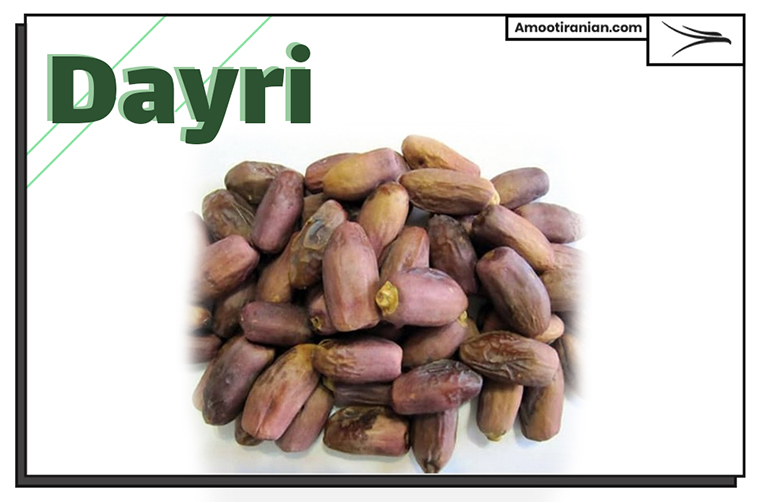
13. Dayri

dayri date

Dayri dates represent elongated variety from Iran with 14-16% moisture content, dark red-brown color, and distinctive oblong shape measuring 4-5cm in length.

Dates of the Dayri variety are cultivated in southern Iran regions including Bushehr and Khuzestan province areas where hot conditions develop the fruit‘s characteristic shape.

Iran produces modest quantities of Dayri dates compared to major commercial varieties, with production focused on domestic markets familiar with this traditional date type.

Dayri palms demonstrate moderate productivity, yielding 50-70kg per tree annually while requiring standard irrigation and maintenance practices common in Iran date cultivation.

The fruit offers balanced sweetness with chewy texture, creating eating experience distinct from softer varieties like Mazafati or firmer options like Zahedi dates.

Dayri dates maintain limited export presence, though specialty markets increasingly recognize quality Iranian fruit varieties beyond mainstream commercial options dominating international trade.

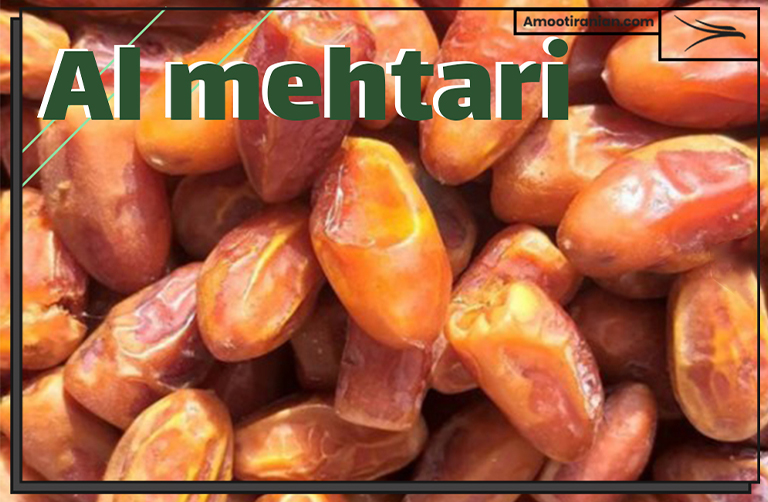
14. Al Mehtari

Al Mehtari Date

Al Mehtari dates from Iran feature 13-15% moisture content, light brown color, and firm texture positioning this fruit as semi-dry variety suitable for extended storage.

Dates of the Al Mehtari variety are cultivated in limited regions across Iran where specific soil conditions and climate support this relatively uncommon date type.

Iran produces small quantities of Al Mehtari dates, with production concentrated among specialized growers maintaining heritage varieties for cultural and agricultural biodiversity preservation.

Al Mehtari palms represent traditional date genetics that Iranian farmers preserve despite lower commercial viability compared to high-demand export varieties like Mazafati or Piarom.

The fruit provides moderate sweetness with nutty undertones, offering flavor profile that differentiates Al Mehtari dates from sweeter mainstream varieties dominating markets.

Al Mehtari dates remain primarily available through specialty distributors and traditional markets in Iran, offering authentic fruit experiences for consumers seeking rare varieties.

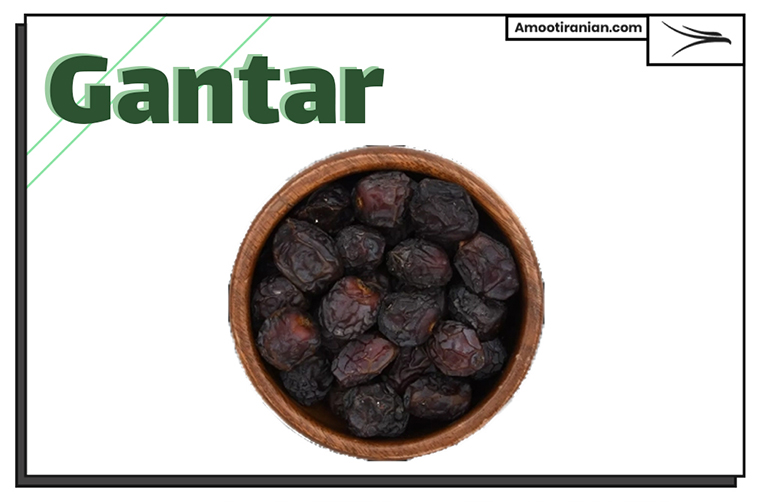
15. Gantar

Gantar dates constitute traditional Iran dates variety with 14-16% moisture content, amber color, and semi-soft texture appreciated by domestic consumers familiar with heritage fruit.

Dates of the Gantar variety are cultivated in scattered locations across Iran where small orchards maintain traditional growing practices passed through family generations.

Iran produces limited Gantar dates quantities compared to commercial varieties, with most fruit consumed locally within producing regions rather than entering national distribution channels.

Gantar cultivation preserves agricultural biodiversity in Iran‘s date sector, maintaining genetic diversity that may prove valuable for future breeding and climate adaptation programs.

The fruit offers pleasant taste combining sweetness with subtle complexity, though Gantar dates lack the intense flavor concentration characterizing premium varieties like Mazafati or Piarom.

Gantar dates represent cultural heritage in Iran‘s date-growing regions, connecting modern consumers to agricultural traditions spanning thousands of years in Persian civilization.

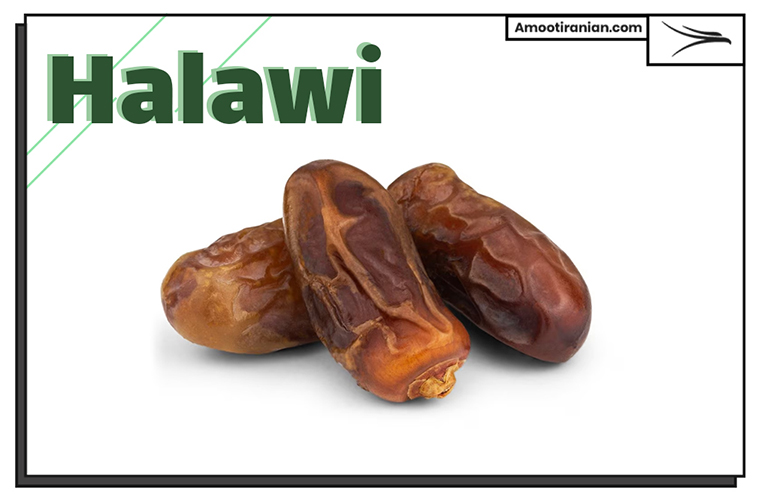
16. Halawi

halawi date

Halawi dates from Iran deliver 15-17% moisture content, golden-brown color, and soft texture creating fruit comparable to certain characteristics of Mazafati variety.

Dates of the Halawi variety are cultivated in limited areas across southern Iran where microclimate conditions support this particular fruit type requiring specific growing parameters.

Iran produces modest Halawi dates quantities, though international production in Iraq and other Middle Eastern countries exceeds Iranian output for this particular variety.

Halawi palms demonstrate moderate cold tolerance, allowing cultivation in slightly cooler regions of Iran where premium varieties like Mazafati cannot survive winter temperatures.

The fruit exhibits smooth, caramel-like texture with rich sweetness, creating eating experience that appeals to consumers preferring softer dates without extreme moisture levels.

Halawi dates maintain stable domestic market presence in Iran while competing with imported varieties from neighboring countries in regional Middle Eastern trade.

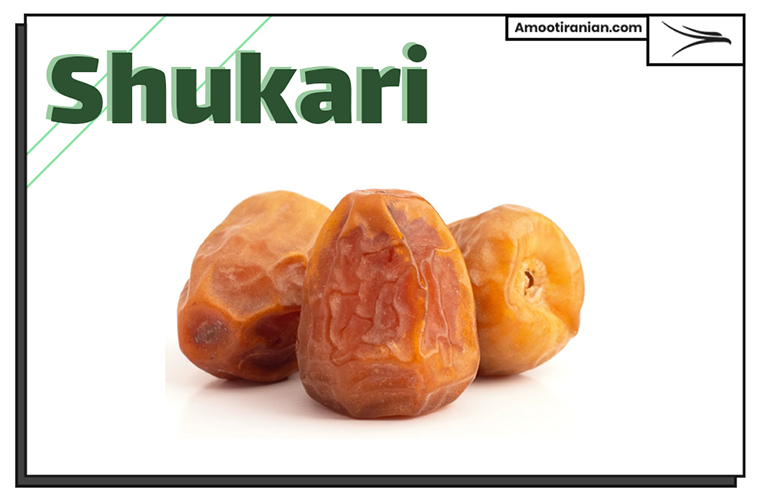
17. Sukkari

Sukkari dates represent extremely sweet variety from Iran with 16-18% moisture content, golden color, and ultra-soft texture creating luxury fruit experience.

Dates of the Sukkari variety are cultivated primarily in limited Iran regions, though Saudi Arabian production dominates global supply for this particular date type.

Iran produces small quantities of Sukkari dates as cultivation experiments explore viability of expanding this premium variety in Persian growing conditions and climate zones.

Sukkari palms require specific environmental conditions that favor Saudi Arabian Al-Qassim region, though Iranian farmers increasingly test adaptation in Hormozgan and Bushehr province areas.

The fruit delivers extraordinary sweetness levels exceeding even Mazafati, creating intensely sweet eating experience that appeals to consumers seeking maximum sugar concentration.

Sukkari dates command premium prices approaching $10-15 per kilogram when available in Iran, positioning this variety as luxury item for special occasions and gifting.

18. Khudri

khadri

Khudri dates from Iran feature 13-15% moisture content, dark brown color, and firm-chewy texture positioning this fruit as economical dried date alternative.

Dates of the Khudri variety are cultivated in limited quantities across Iran, with Saudi Arabian production dominating global markets for this widely-traded commercial date.

Iran produces modest Khudri dates volumes compared to major varieties, though demand exists for diversifying the country’s date portfolio beyond traditional Persian varieties.

Khudri palms demonstrate high productivity and disease resistance, making this variety attractive for Iran‘s commercial growers seeking reliable yields in challenging agricultural environments.

The fruit offers moderate sweetness with wrinkled appearance, creating economical option for consumers seeking nutritional benefits without premium pricing of varieties like Mazafati or Piarom.

Khudri dates serve industrial applications including date paste, syrup, and processed food ingredients where appearance matters less than consistent quality and competitive pricing.

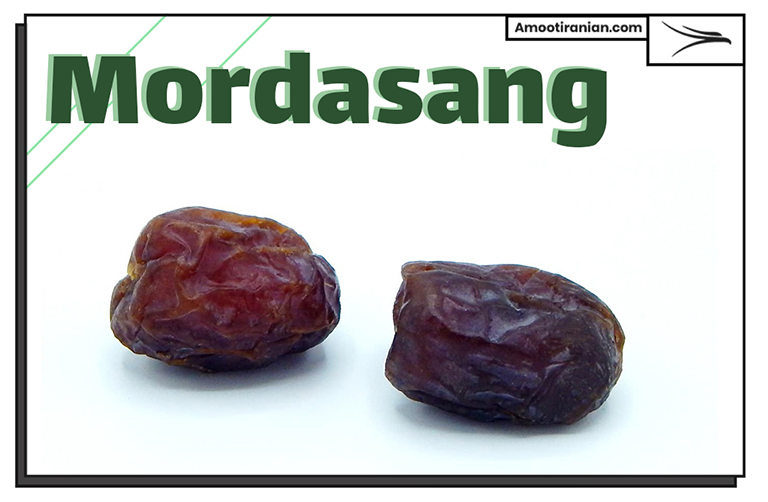
19. Mordasang

mordasang

Mordasang dates constitute specialty Iran dates variety with 12-14% moisture content, distinctive reddish-brown color, and firm texture valued for specific culinary applications.

Dates of the Mordasang variety are cultivated primarily in Kerman and Sistan-Baluchestan province areas where arid conditions develop the fruit‘s characteristic concentrated flavors.

Iran produces approximately 15,000 tons of Mordasang dates annually from traditional orchards maintaining heritage varieties that connect to Persian agricultural history.

Mordasang palms thrive in extreme desert conditions, requiring minimal irrigation compared to moisture-rich varieties like Mazafati, making this fruit economically sustainable in water-scarce regions.

The fruit offers moderate sweetness with earthy undertones, making Mordasang dates ideal for savory dishes and traditional Persian stews where intense sweetness would overpower.

Mordasang dates maintain primarily domestic market presence in Iran, with limited export activity due to international preference for sweeter date varieties in global trade.

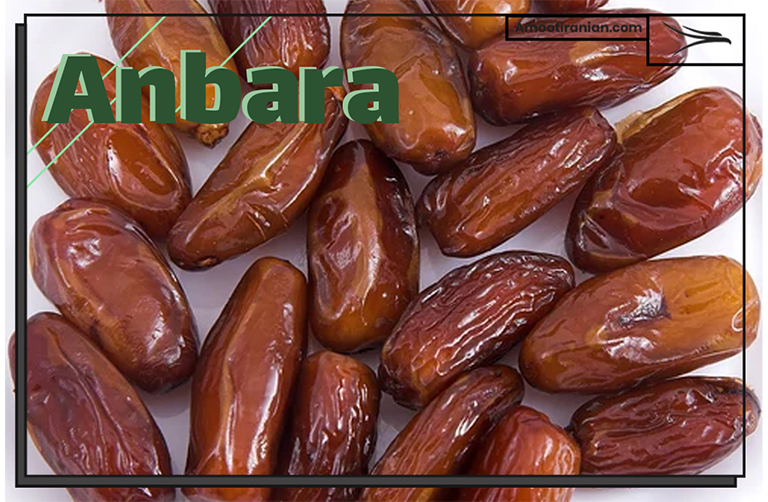
20. Anbara

Anbara date

Anbara dates from Iran feature large size, 14-16% moisture content, and amber-brown color creating impressive fruit appearance valued in premium gift markets.

Dates of the Anbara variety are cultivated in Fars province and surrounding regions where specific soil conditions support the large fruit size distinguishing this variety.

Iran produces limited Anbara dates quantities, with production concentrated among specialized growers focusing on quality over volume in this niche market segment.

Anbara palms yield larger individual fruit than most varieties, with dates measuring 4-6cm in length creating visually impressive specimens popular for gifting and special occasions.

The fruit provides pleasant, balanced sweetness without overwhelming intensity, making Anbara dates versatile for various culinary applications across sweet and savory preparations.

Anbara dates command mid-premium pricing in Iran markets, positioning this variety between economical options like Zahedi and ultra-premium choices like Mazafati or Piarom.

21. Zarif Nour

Zarif Nour dates represent rare Iran dates variety with 13-15% moisture content, golden-yellow color when ripe, and unique flavor profile distinguishing this heritage fruit.

Dates of the Zarif Nour variety are cultivated in extremely limited areas of Iran where traditional farmers maintain this nearly forgotten date type for cultural preservation.

Iran produces only small quantities of Zarif Nour dates, making this variety virtually unknown outside producing regions and unavailable through normal commercial distribution channels.

Zarif Nour palms represent important genetic diversity in Iran‘s date agriculture, preserving traits that may prove valuable for breeding programs addressing climate change and disease resistance.

The fruit offers distinctive taste combining sweetness with floral notes, creating unique eating experience unavailable from mainstream commercial dates dominating markets.

Zarif Nour dates remain largely undocumented in international literature, representing opportunity for agricultural research preserving Iran‘s incredible date variety diversity.

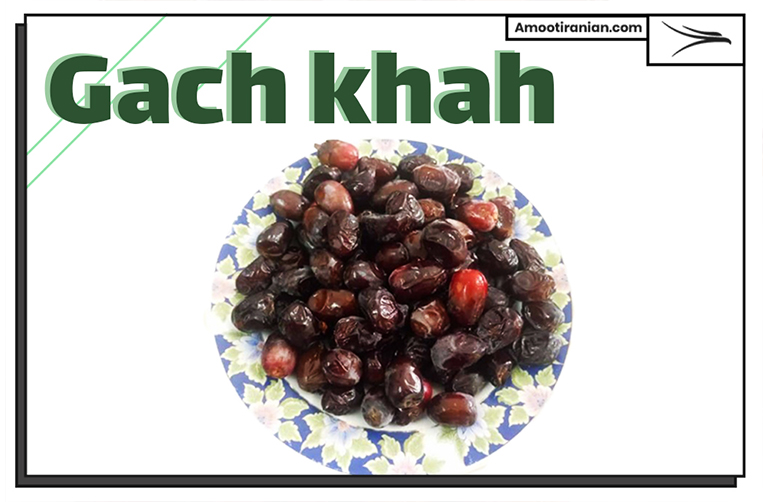
22. Gach Khah

Gach Khah dates constitute rare Iran dates variety with 12-14% moisture content, light brown color, and firm texture positioning this fruit as traditional dried date.

Dates of the Gach Khah variety are cultivated in remote areas of Sistan-Baluchestan province where extreme conditions limit agricultural options to hardy, drought-resistant fruit.

Iran produces minimal Gach Khah dates quantities, with production concentrated among subsistence farmers maintaining traditional varieties for household consumption rather than commercial sale.

Gach Khah palms demonstrate exceptional drought tolerance, surviving on minimal irrigation in regions where water scarcity prevents cultivation of moisture-demanding varieties like Mazafati.

The fruit provides moderate sweetness with chewy texture, offering nutritional benefits similar to other dates while representing important agricultural biodiversity in Iran.

Gach Khah dates remain virtually unknown commercially, though cultural preservation efforts increasingly recognize importance of maintaining heritage varieties for agricultural sustainability.


Frequently Asked Questions About Iranian Dates

What are Iranian dates?

Iranian dates are dates cultivated in Iran, encompassing over 400 different varieties ranging from premium fresh fruit like Mazafati to economical dried options like Zahedi.

Dates from Iran grow in ideal desert conditions across multiple province regions including Kerman, Khuzestan, Bushehr, and Fars where unique soil minerals and climate concentrate natural sugars.

Iran dates represent approximately 20% of global production, positioning the country as world’s second-largest producer and premier exporter of premium date varieties to international markets.

The cultivated varieties in Iran span moisture contents from 12-20%, creating diverse fruit options for fresh eating, cooking, baking, and processing into date syrup and paste.

Iran has cultivated dates for over 5,000 years, developing agricultural expertise and traditional methods that modern technology cannot fully replicate in newer growing regions worldwide.

Understanding what are the best dates in Iran requires exploring the comprehensive glossary of Iranian dates documenting this incredible diversity.

Are Iranian dates healthy?

Iranian dates are extremely healthy, providing 696mg potassium, 6.7g fiber, 1.2mg iron per 100g alongside antioxidants and B-vitamins supporting cardiovascular and digestive health.

Dates from Iran contain natural sugars (65-70% of weight) with lower glycemic index (47-50) than refined sugar (65), causing slower blood glucose responses that benefit diabetics.

Iran dates deliver quick energy without caffeine or stimulants, making this fruit ideal for athletes, students, and anyone requiring sustained mental and physical performance throughout the day.

The cultivated varieties from Iran maintain consistent nutritional profiles, though fresh dates like Mazafati offer slightly higher vitamin content than completely dried alternatives.

Iranian dates support digestive health through prebiotic fiber that increases beneficial gut bacteria by 23% within four weeks of regular consumption according to microbiome research studies.

Premium fruit varieties like Mazafati provide exceptional antioxidant content that combats oxidative stress and reduces inflammation markers throughout the body’s cellular systems.

How do Iranian dates compare to Medjool?

Iranian dates like Mazafati and Piarom offer superior freshness, higher moisture content, and 40% lower prices compared to Medjool while delivering comparable or superior taste quality.

Dates from Iran maintain 15-20% moisture versus Medjool’s 10-15%, creating softer, more tender texture that many consumers prefer for fresh eating applications and culinary preparations.

Medjool dates cost $8-12 per kilogram while premium Iran dates varieties like Mazafati range $5-8 per kilogram, offering better value without compromising quality or nutritional benefits.

Iran produces greater variety diversity than regions growing Medjool, providing consumers more fruit options to match specific taste preferences, culinary requirements, and budget constraints.

The cultivated varieties from Iran demonstrate comparable nutritional density to Medjool, with similar potassium, fiber, and antioxidant levels delivering equivalent health benefits.

Mazafati dates specifically exceed Medjool in moisture content and softness, creating superior fresh eating experience that positions Iranian fruit as premium choice for discerning consumers.


Amoot Iranian Trading Company

🌴 The Largest Mazafati Dates Supplier in the World

We export premium quality Mazafati, Kabkab, Piarom, Kalute and many other date varieties worldwide.

📞 Call us on WhatsApp: +98 902 360 6419
✉️ Email us at: [email protected]

Contact on WhatsApp

..

.

About The Author

Leave a Reply

Your email address will not be published. Required fields are marked *