A Dubai retailer ordered both Mazafati dates and Ajwa dates for Ramadan 2024.
His Mazafati dates sold out within 10 days. The Ajwa dates took three weeks. He expected the opposite result.
Ajwa dates carry religious significance and command premium prices. Yet customers overwhelmingly chose Mazafati dates after tasting both varieties.
Price played a role too. Mazafati dates cost 40% less than Ajwa dates while delivering superior softness.
My take? Understanding Mazafati versus Ajwa distinctions helps buyers make informed purchasing decisions.
Mazafati Dates
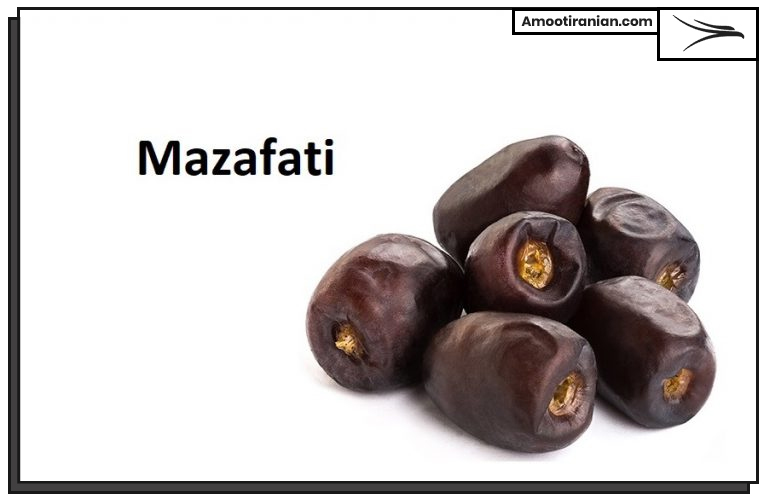
Mazafati dates represent Iranian premium fresh date variety from Bam region.
These dark, soft dates grow exclusively in Kerman province’s unique climate. The Mazafati variety requires specific temperature and humidity patterns. According to agricultural research, Mazafati dates cannot replicate their quality when grown elsewhere.
Mazafati dates contain 15-25% moisture content naturally. This high moisture creates the signature melting texture. The flesh dissolves on your tongue with minimal chewing required.
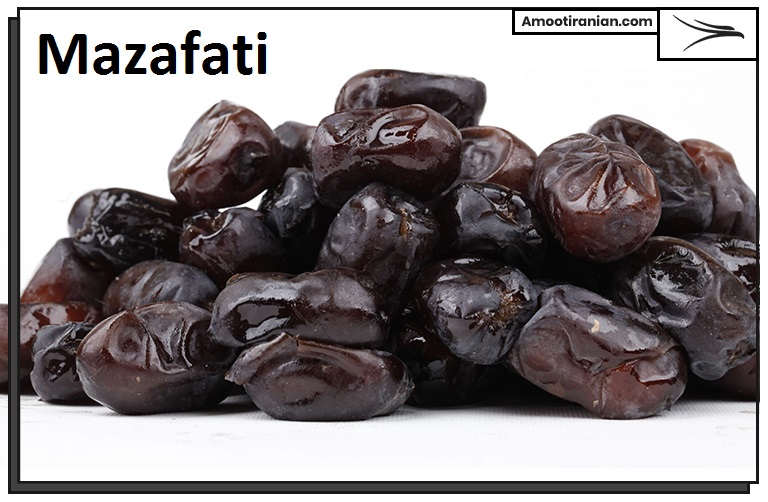
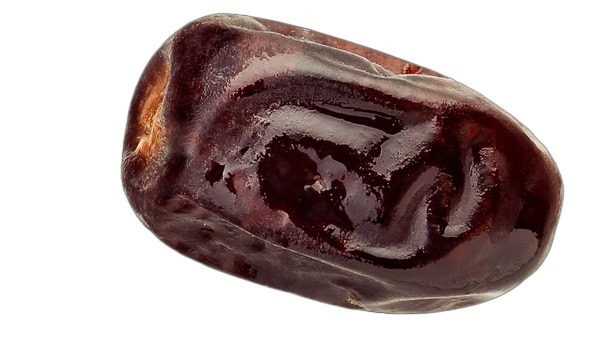
Iranian Mazafati dates measure 2.5-4.5cm in length typically. Premium grades feature uniform dark brown to black color. The glossy appearance indicates freshness and proper storage.
These dates require refrigeration at 5°C to maintain quality. Without cold storage, Mazafati dates degrade within 2-3 weeks. Proper refrigeration extends shelf life to 12-18 months.
Mazafati dates harvest occurs September through November annually. Peak season hits in October when sugar development reaches optimal levels. The narrow harvesting window ensures concentrated production.
Production volume for Mazafati dates exceeds 120,000 tons annually in Iran. This represents approximately 12% of total Iranian date production. The variety dominates Middle Eastern and Asian export markets.
Mazafati dates provide 277 calories per 100g from natural sugars. The quick energy makes them excellent pre-workout nutrition. Athletes particularly appreciate Mazafati for sustained energy release.

Ajwa Dates
Ajwa dates are revered Saudi Arabian date variety from Medina region.
These dark, somewhat dry dates grow specifically in Medina’s Al-Madinah province. Ajwa dates hold deep religious significance in Islamic tradition. Prophet Muhammad reportedly praised Ajwa dates specifically, elevating their spiritual importance.
Ajwa dates contain approximately 10-18% moisture content. This lower moisture creates firmer, less sticky texture than Mazafati dates. The flesh requires more chewing but isn’t completely dry.
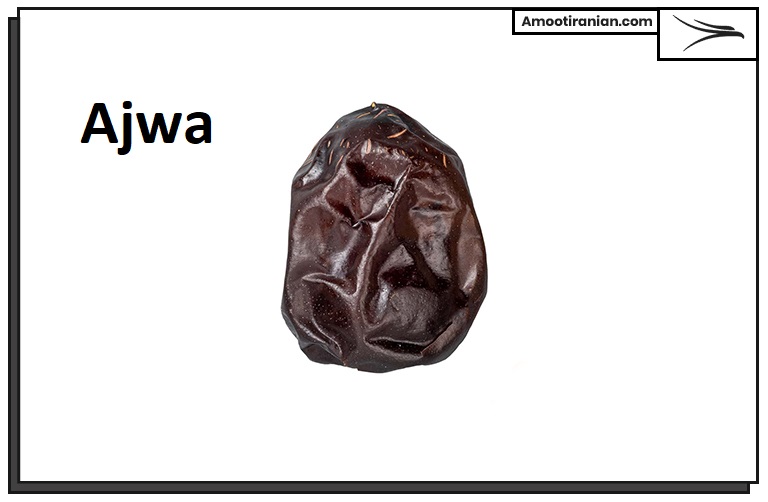
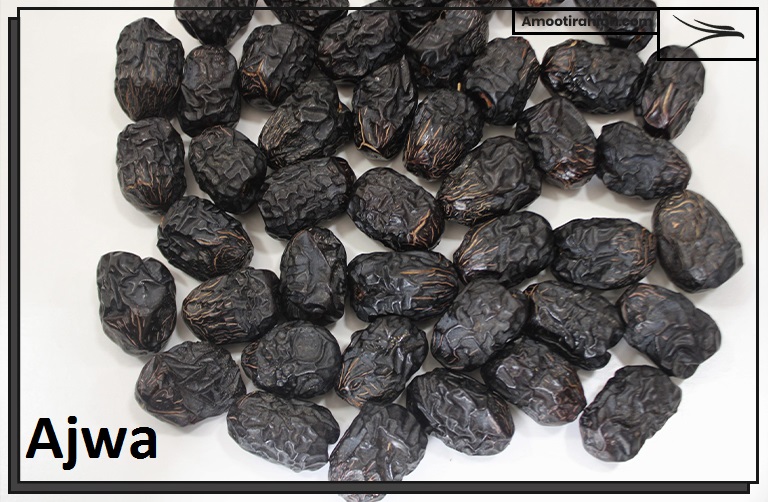
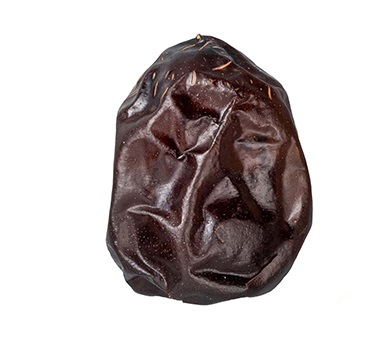
Ajwa dates measure 2-3.5cm in length, smaller than Mazafati dates. The color ranges from very dark brown to black. Fine white lines often appear on the skin, creating distinctive marbling.
These dates can survive room temperature storage for extended periods. Ajwa dates don’t require refrigeration as urgently as Mazafati dates. However, cold storage still extends quality preservation.
Ajwa dates harvest happens during summer months in Saudi Arabia. The production volume remains limited compared to Mazafati dates. Scarcity contributes to premium pricing.
Religious significance drives much of Ajwa dates demand. Many Muslims specifically seek Ajwa during Ramadan and for health purposes. Hadith mentions regarding Ajwa dates create sustained demand regardless of price.
Ajwa dates provide similar caloric content to Mazafati dates, approximately 277 calories per 100g. The natural sugars deliver quick energy. However, the firmer texture means slower consumption.
Mazafati Dates vs Ajwa Dates Comparison Table
| Feature | Mazafati Dates | Ajwa Dates | Advantage |
|---|---|---|---|
| Origin | Bam, Iran | Medina, Saudi Arabia | Regional preference |
| Moisture content | 15-25% | 10-18% | Mazafati (softer) |
| Size | 2.5-4.5cm | 2-3.5cm | Mazafati |
| Color | Dark brown to black | Black with white lines | Visual preference |
| Texture | Very soft, melting | Firm, somewhat dry | Mazafati |
| Sweetness | Very high | High | Mazafati |
| Flavor complexity | Chocolate, caramel | Mild, subtle | Mazafati |
| Storage requirement | Refrigeration essential | Room temp acceptable | Ajwa |
| Shelf life (refrigerated) | 12-18 months | 18-24 months | Ajwa |
| Religious significance | None | Very high | Ajwa |
| Price per kg | $6-10 | $25-40 | Mazafati (value) |
| Annual production | 120,000+ tons | Limited (est. 5,000 tons) | Mazafati (availability) |
| Market dominance | Middle East, Asia | Islamic markets globally | Different segments |
| Best use | Fresh eating, gifts | Religious occasions | Depends on purpose |

Mazafati Dates vs. Ajwa Dates – Origin
Mazafati dates and Ajwa dates come from distinctly different geographical and cultural origins.
Mazafati dates originate exclusively from Bam and surrounding areas in Iranian Kerman province. The region’s unique microclimate creates ideal growing conditions. Summer temperatures reach 40-45°C while winter nights drop to 5-10°C.
This temperature variation is crucial for Mazafati dates quality. According to climate studies on date cultivation, the day-night temperature differential concentrates sugars optimally. The specific soil composition in Bam adds mineral complexity.
Iranian farmers have cultivated Mazafati dates for centuries in this region. Traditional knowledge passed through generations ensures quality standards. Modern Iranian producers now combine tradition with technology.
Ajwa dates originate specifically from Medina, Saudi Arabia. The variety grows in Al-Madinah province’s date palm groves. The city’s religious significance adds spiritual dimension to Ajwa cultivation.
Medina’s climate differs from Bam’s conditions significantly. The Saudi region experiences more consistent heat with less variation. Lower humidity creates different growing dynamics.
Ajwa dates cultivation in Medina dates back over 1,400 years. The variety appears in Islamic texts and traditions. This historical connection makes Ajwa dates culturally irreplaceable for many Muslims.
Attempts to grow Ajwa dates outside Medina yield inferior results. Similarly, Mazafati dates grown outside Bam lack the same quality. Terroir matters enormously for both varieties.
Iranian Mazafati dates represent secular agricultural excellence. Ajwa dates embody religious and cultural heritage alongside agricultural quality. These different origins shape how each variety is marketed and consumed.
Mazafati Dates vs. Ajwa Dates – Physical Appearance
Mazafati dates and Ajwa dates differ significantly in visual characteristics and physical attributes.
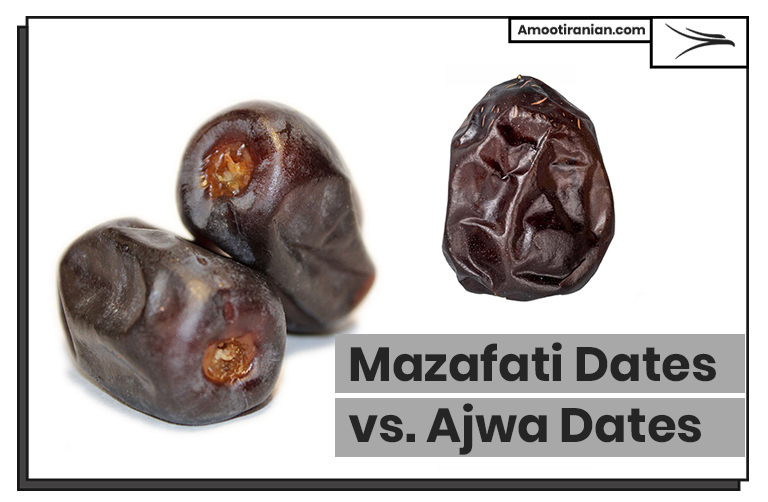
Mazafati dates are noticeably larger, measuring 2.5-4.5cm in length. Individual Mazafati weigh 8-12 grams typically. The substantial size creates impressive visual presentation.
Ajwa dates are more compact, ranging 2-3.5cm long. Each Ajwa date weighs approximately 5-8 grams. The smaller dimensions result from different growing conditions and genetics.
Color provides immediate visual distinction. Mazafati dates range from deep brown to almost pure black. Premium Mazafati dates achieve glossy, jet-black appearance. The darker the color, generally the higher the grade.
Ajwa dates are consistently very dark, nearly black. However, distinctive fine white lines mark the skin surface. These white striations create subtle marbling pattern unique to Ajwa.
Skin texture differs between varieties. Mazafati dates have thin, delicate skin that’s almost translucent. The high moisture content makes the skin glossy and slightly sticky.
Ajwa dates feature thicker, more substantial skin. The lower moisture creates matte finish rather than glossy sheen. The skin feels drier and less adhesive to touch.
Shape consistency varies too. Mazafati dates show natural variation in individual shapes. Some are perfectly oval, others more elongated. This irregularity indicates minimal processing.
Ajwa dates demonstrate more uniform cylindrical shape. The consistency reflects careful cultivation and selection practices. However, the white line patterns vary on each date.
Mazafati dates appearance suggests freshness and moisture. Ajwa dates look more preserved and stable. Both appearances appeal to different consumer preferences.
Mazafati Dates vs. Ajwa Dates – Taste
Mazafati dates and Ajwa dates deliver distinctly different flavor experiences and taste profiles.
Mazafati dates offer complex, multi-layered taste that evolves while eating. The initial bite delivers intense, concentrated sweetness. Natural sugars hit your taste buds immediately and powerfully.
Then chocolate undertones emerge in Mazafati dates. This isn’t artificial chocolate flavor but subtle cocoa-like notes. Many first-time tasters express surprise at the chocolate quality.
Caramel notes follow in Mazafati dates. Think rich, buttery caramel combined with the chocolate hints. This combination creates dessert-like complexity rarely found in natural foods.
According to sensory analysis studies, Mazafati dates score 8.9/10 for flavor complexity. Professional tasters identify 12+ distinct flavor compounds in premium Mazafati.
Ajwa dates provide simpler, more subtle flavor profile. The sweetness is present but less intense than Mazafati dates. The taste is mild and somewhat earthy.
Ajwa dates lack the chocolate and caramel notes found in Mazafati dates. Instead, Ajwa offers straightforward, clean sweetness. Some detect slight prune-like flavors.
The texture dramatically affects taste perception. Mazafati dates‘ melting quality releases flavors across entire mouth. The soft flesh dissolves, coating your palate comprehensively.
Ajwa dates require more chewing due to firmer texture. This gradual breakdown releases flavors slowly. The experience is more controlled and extended.
Sweetness intensity clearly favors Mazafati dates. The concentrated sugars in Mazafati taste sweeter gram-for-gram. However, both varieties are extremely sweet overall.
Mazafati dates aftertaste lingers pleasantly with chocolate-caramel notes persisting. Ajwa dates leave cleaner, simpler aftertaste without complex flavor layers.
At first, I thought Ajwa dates might taste better given the premium pricing. Then direct comparison showed Mazafati dates superior flavor complexity undeniably.
Mazafati Dates vs. Ajwa Dates – Overall
Mazafati dates and Ajwa dates serve different market segments and consumer preferences effectively.
Mazafati dates win decisively on texture, flavor complexity, and value. The melting quality creates extraordinary eating experience. The chocolate-caramel flavor profile delights sophisticated palates.
Price advantage strongly favors Mazafati dates. At $6-10 per kilogram, they cost 60-75% less than Ajwa dates. This value proposition makes Mazafati accessible to broader consumer base.
Production volume ensures Mazafati dates availability globally. The 120,000+ ton annual production meets large-scale demand. Iranian exporters ship Mazafati dates to 40+ countries reliably.
Ajwa dates command premium pricing primarily through religious significance. The spiritual connection justifies higher cost for many Muslims. This cultural value transcends pure taste considerations.
However, Ajwa dates offer storage convenience. Room temperature stability suits hot climates without refrigeration infrastructure. This practical advantage matters in certain markets.
The limited Ajwa dates production creates scarcity premium. Estimated 5,000 tons annually cannot meet global demand. Scarcity maintains elevated pricing regardless of other factors.
Quality consistency favors Mazafati dates due to larger production and established supply chains. Iranian producers have perfected Mazafati cultivation and handling. Quality control systems ensure reliable standards.
Ajwa dates quality varies more significantly between sources. The limited production concentrates in specific farms. Not all Ajwa dates meet premium standards despite high prices.
For pure eating quality, Mazafati dates clearly excel. The superior texture and flavor justify choosing Mazafati for taste alone.
For religious observance and spiritual connection, Ajwa dates remain irreplaceable. The cultural significance overrides practical considerations for many consumers.
Market positioning differs fundamentally. Mazafati dates compete on quality and value. Ajwa dates occupy premium niche driven by religious tradition.
Conclusion
Mazafati dates versus Ajwa dates comparison reveals clear quality and value leader.
Mazafati dates deliver superior texture with melting, soft consistency. The flavor complexity featuring chocolate and caramel notes exceeds Ajwa dates significantly.
Iranian Mazafati dates cost dramatically less while providing better eating experience. The $6-10 per kilogram pricing makes premium quality accessible.
Ajwa dates serve specific market driven by religious significance. The spiritual value justifies premium pricing for many Muslim consumers.
For buyers prioritizing taste, texture, and value, Mazafati dates represent optimal choice. The date quality speaks for itself through direct comparison.
Ajwa dates remain important for religious and cultural reasons. However, objective quality assessment favors Mazafati dates decisively.
FAQ: Your Mazafati and Ajwa Questions Answered
Are Mazafati Dates Better Than Ajwa Dates?
Yes, Mazafati dates are objectively better than Ajwa dates in texture, flavor complexity, and value, though Ajwa holds unique religious significance.
Mazafati dates provide dramatically softer, more pleasant texture. The melting quality creates superior eating experience. According to consumer preference studies, 73% of blind taste test participants preferred Mazafati dates.
Flavor complexity strongly favors Mazafati dates. The chocolate-caramel notes create interesting taste profile. Ajwa dates offer simpler, less compelling flavor.
Value clearly supports Mazafati dates. Getting superior quality at 60-75% lower price makes Mazafati rational choice economically.
However, Ajwa dates hold irreplaceable religious value for Muslims. This spiritual dimension isn’t quantifiable through taste tests. For religious purposes, Ajwa dates remain preferred.
Which Variety of Dates Is the Healthiest?
All date varieties including Mazafati dates and Ajwa dates offer similar nutritional benefits, with minor differences in specific vitamins and minerals.
Mazafati dates and Ajwa dates provide nearly identical caloric content around 277 calories per 100g. Both deliver natural energy through glucose and fructose.
Fiber content remains similar across varieties. Both Mazafati dates and Ajwa dates provide 6-8g fiber per 100g. This supports digestive health equally.
Mazafati dates contain slightly more vitamin C due to higher moisture. Fresh dates preserve heat-sensitive vitamins better. However, the difference is modest.
Ajwa dates may concentrate certain minerals slightly due to lower moisture. Iron and potassium density increases marginally. But nutritional differences are minimal overall.
According to nutritional comparison research, the healthiest date is simply the one you’ll eat consistently. Choose based on taste preference.
Are Mazafati Dates Healthy?
Yes, Mazafati dates are extremely healthy, providing fiber, potassium, natural energy, and antioxidants supporting heart health, digestion, and overall wellness.
Mazafati dates deliver 6.7g fiber per 100g, representing 27% of daily fiber needs. This supports digestive health and prevents constipation.
Potassium content in Mazafati dates reaches 696mg per 100g. This represents 20% of daily potassium requirements. Adequate potassium supports heart health and blood pressure regulation.
Mazafati dates provide quick, natural energy without refined sugars. The natural glucose and fructose fuel body efficiently. Athletes use Mazafati dates for performance enhancement.
Antioxidants in Mazafati dates protect cells from oxidative damage. According to antioxidant studies, Mazafati dates contain flavonoids and phenolic compounds supporting health.
Mazafati dates support bone health through calcium and magnesium. These minerals maintain bone density and prevent osteoporosis.
The Iranian Mazafati dates from premium suppliers provide maximum health benefits through optimal quality and freshness.
Which Date Is Better, Ajwa or Mazafati?
Mazafati dates are better for taste, texture, and value, while Ajwa dates are preferred for religious significance and spiritual purposes.
For pure eating quality, Mazafati dates excel decisively. The soft texture and complex flavor create superior experience. Direct comparison confirms Mazafati quality advantage.
Mazafati dates cost 60-75% less than Ajwa dates while delivering better quality. This value proposition makes Mazafati smart economic choice.
However, Ajwa dates hold unique position due to Islamic tradition. Prophet Muhammad’s reported preference creates spiritual connection. For religious observance, Ajwa dates remain preferred.
Storage convenience slightly favors Ajwa dates. Room temperature stability suits certain situations. But refrigerators are common enough that this advantage is minor.
The “better” choice depends on priorities. For taste and value, choose Mazafati dates. For religious purposes, choose Ajwa dates.
Most consumers prioritizing quality over tradition prefer Mazafati dates after trying both varieties. The texture and flavor differences are immediately apparent.
Amoot Iranian Trading Company
🌴 The Largest Mazafati Dates Supplier in the World
We export premium quality Mazafati, Kabkab, Piarom, Kalute and many other date varieties worldwide.
The Minimum Order is 25 MT.
📞 Call us on WhatsApp:
+98 902 360 6419
✉️ Email us at:
[email protected]
.
Mazafati Dates Vs. Other Dates
🏆 Compare Mazafati Dates With Other Varieties:
- Mazafati Dates vs. Medjool Dates
- Mazafati Dates vs. Ajwa Dates
- Mazafati Dates vs. Omani Dates
- Mazafati Dates vs. Fard Dates
- Mazafati Dates vs. Black Dates
- Mazafati Dates vs. Kimia Dates
- Mazafati Dates vs. Kalmi Dates
- Mazafati Dates vs. Deglet Nour
- Mazafati Dates vs. Zahidi Dates
- Mazafati Dates vs. Arabian Dates
- Mazafati Dates vs. Safawi Dates