Ever noticed how some dates fly under the radar despite offering incredible value? Rabbi dates represent one of South Asia’s best-kept nutritional secrets. These semi-dry date fruits from Pakistan deliver rich, molasses-like sweetness at prices that seem almost too good to be true. Sound like something worth exploring?

Rabbi dates have sustained communities along the Indus Valley for centuries. These affordable dates pack impressive nutritional value into every bite. However, their humble origins often overshadow their remarkable benefits. After 15+ years in the global dates trade, we’ve watched rabbi steadily gain recognition beyond traditional markets.

Here’s my take: Rabbi dates deserve far more attention from health-conscious consumers and commercial buyers alike. Their balance of nutrition, shelf stability, and economic pricing creates opportunities across multiple market segments. Therefore, understanding this variety opens profitable possibilities for importers seeking differentiation.


30-Second Summary

Rabbi Dates (also spelled “Rabi”) are semi-dry dates cultivated primarily in Pakistan’s Sindh Province, particularly Khairpur and Sukkur districts. These dark brown date fruits feature 18-22% moisture content, deep molasses-like flavor with nutty undertones, and remarkable affordability that makes premium nutrition accessible to all economic classes.

This comprehensive guide explores everything about Rabbi dates, from nutritional composition to health benefits and quality identification.

What you’ll discover in this guide:

  • Complete understanding of Rabbi dates characteristics and traditional uses
  • Detailed nutritional value breakdown including caloric content
  • Eight evidence-based health benefits for your body
  • Storage methods and quality identification techniques
  • Comprehensive comparison with Medjool, Piarom, Zahedi, and Mazafati varieties

Based on our 15+ years supplying premium dates from Iran and sourcing specialty varieties from Pakistan to 40+ countries worldwide.


What are Rabbi Dates?

Rabbi dates originate from the Middle East but now grow predominantly in Pakistan’s Sindh Province. These semi-dry dates thrive in the arid climate along the Indus River Valley. Furthermore, the name “Rabbi” may derive from Arabic roots meaning “spring” or reference specific cultivation regions.

Pakistan ranks as the world’s 6th largest date producer globally. The country cultivates approximately 600,000-700,000 metric tons annually. Additionally, Rabbi dates account for 15-20% of Pakistan’s total output—roughly 90,000-140,000 tons yearly. Understanding date production by country shows Pakistan’s growing significance in global markets.

Rabbi dates grow on Phoenix dactylifera palms reaching 15-25 meters tall. These trees start bearing fruit after 4-6 years of establishment. Moreover, each mature palm yields 40-80 kg of dates annually. Harvest occurs from September through November when dates reach optimal ripeness.

The semi-dry classification means Rabbi dates contain 18-22% moisture content. This level creates firm, chewy texture similar to Iran’s Sayer variety. However, rabbi features denser flesh and deeper sweetness. Comparing Piarom dates shows textural variations across semi-dry categories.

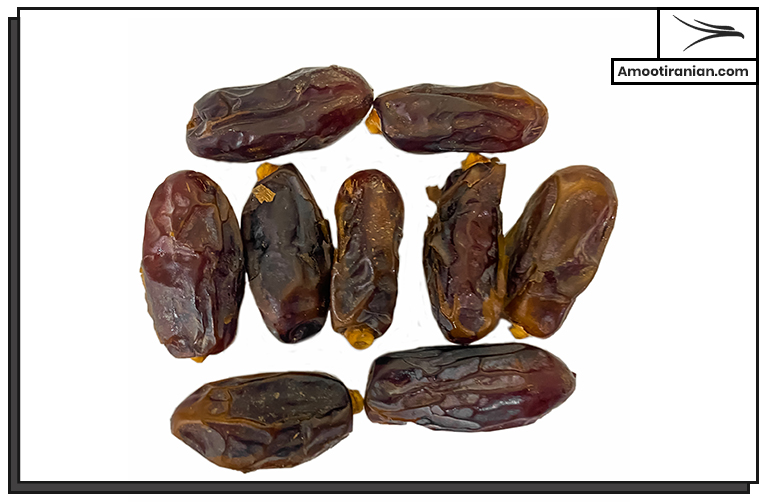
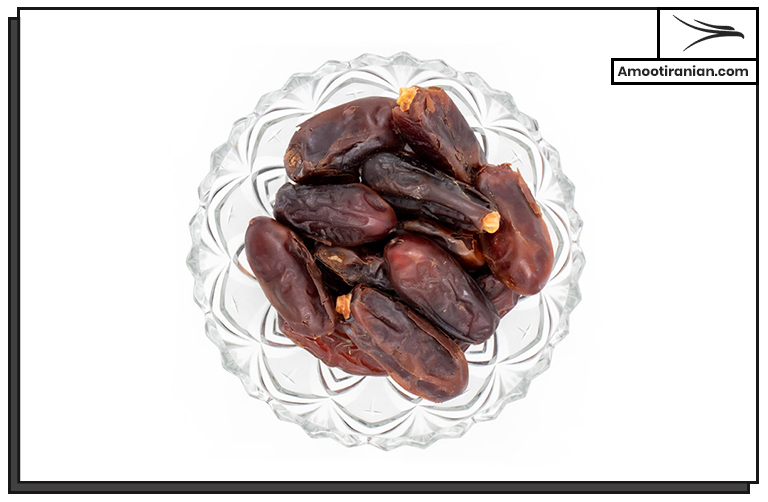
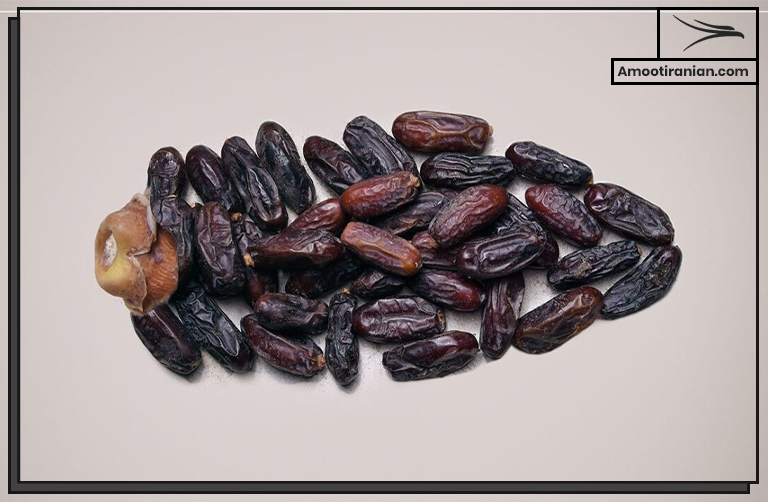
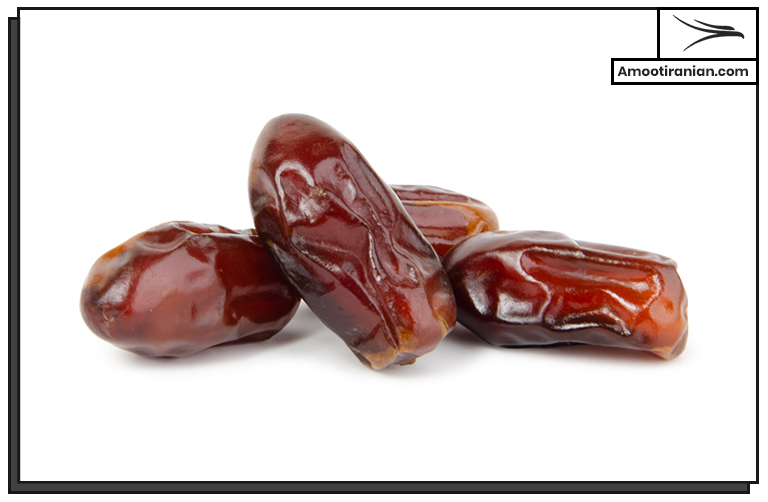
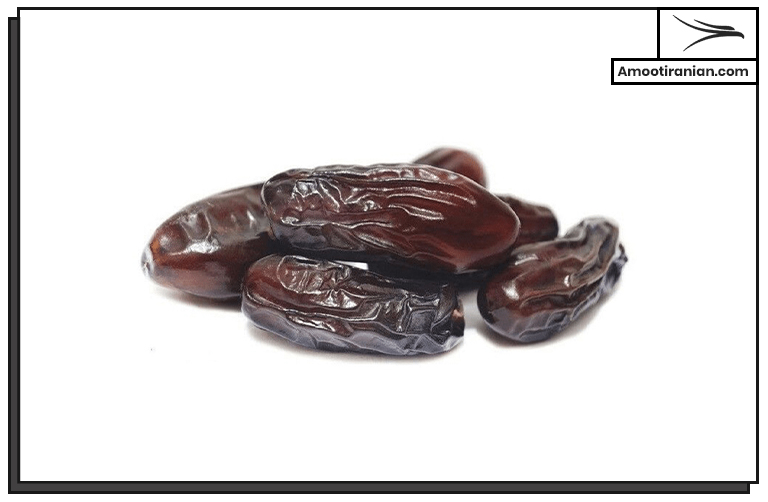
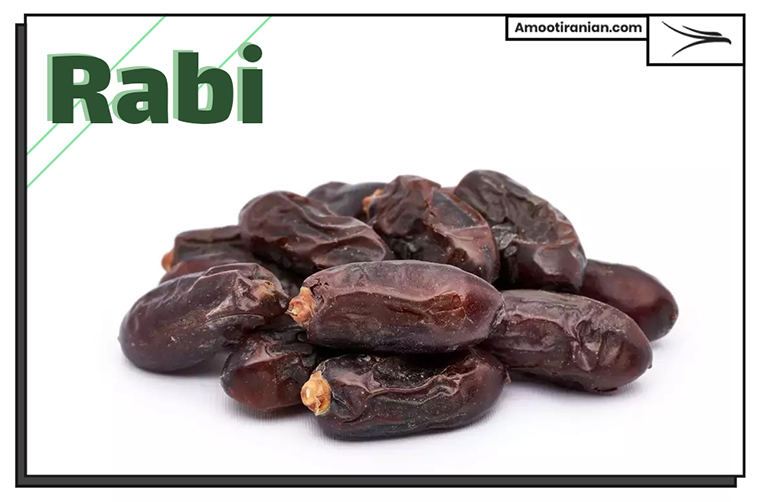
Rabbi dates display distinctive dark brown to reddish-brown coloring when ripe. The smooth to slightly wrinkled skin shows glossy sheen initially. Additionally, each oblong date measures 2.5-4 cm long and weighs 10-15 grams. The firm, meaty flesh surrounds a single elongated pit that removes easily.

The Amoot Iranian company recognizes Rabbi dates’ commercial potential beyond traditional markets. We connect buyers with certified Pakistani suppliers when needed. Therefore, clients access diverse date varieties beyond Iran’s premium offerings.

Cultivation and Trade Significance

Khairpur and Sukkur districts dominate Rabbi cultivation within Sindh Province. The hot, dry conditions combined with Indus River irrigation create ideal growing environments. Furthermore, rabbi palms demonstrate excellent pest resistance, reducing chemical input needs.

Pakistan exported 100,000-150,000 tons of dates in recent years. Rabbi dates comprise 20-30% of these exports by volume. Additionally, India represents the largest single market, followed by Saudi Arabia, UAE, and UK. The Amoot Iranian company facilitates introductions between Pakistani producers and our international client networks.

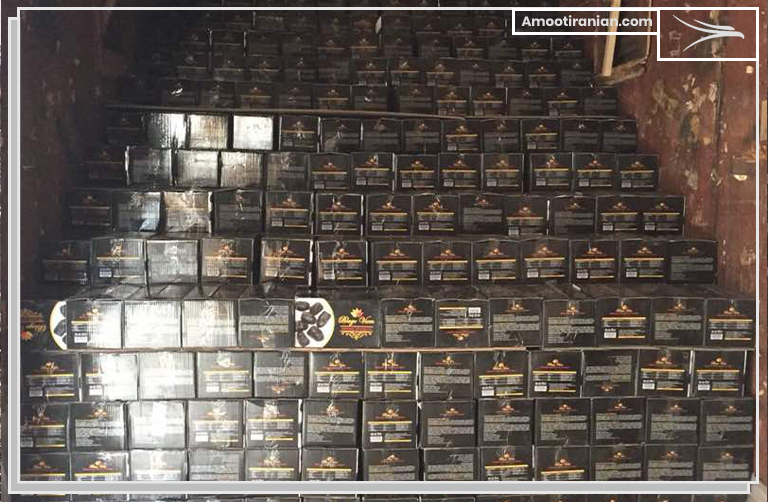
Rabbi dates require minimal processing compared to fresh varieties. The semi-dry nature enables ambient temperature shipping without refrigeration. Moreover, this characteristic reduces logistics costs significantly. Honestly, the combination of affordability and stability makes rabbi commercially attractive for bulk distribution.

Traditional farming methods preserve Rabbi dates’ authentic characteristics. Smallholder farmers maintain orchards spanning 2-10 hectares typically. Additionally, these operations demonstrate water efficiency at 8,000-10,000 liters per tree annually. Exploring Zahidi dates shows similar cultivation patterns across semi-dry varieties.

What is the Temperament of Rabbi Dates?

Rabbi dates carry warm temperament according to traditional Persian and Ayurvedic medicine principles. This classification means dates generate heat within the body during digestion. Furthermore, warm-natured foods energize and stimulate metabolic processes naturally.

The molasses-like sweetness intensifies the warming effect. However, this characteristic provides benefits for cold-natured constitutions. Additionally, consuming rabbi during winter months aligns with seasonal eating principles. That said, individuals with hot temperaments should moderate intake, especially during summer.

Traditional medicine recommends balancing warm foods like Rabbi dates with cooling elements. Pairing dates with yogurt, cucumber, or mint creates equilibrium. Moreover, this combination prevents potential digestive discomfort from excessive heat. Understanding Mazafati dates calories shows how different varieties affect body temperature.

Rabbi dates stimulate circulation and warm extremities effectively. This makes them ideal for cold weather energy needs. Furthermore, the warming nature supports digestive fire (metabolism) according to traditional systems. The Amoot Iranian company shares these traditional insights with health-conscious buyers.

Modern nutritional science doesn’t categorize foods by temperament. However, these traditional frameworks offer valuable cultural context. Additionally, understanding temperament helps position rabbi appropriately across different markets. Honestly, respecting traditional knowledge enhances product storytelling and consumer connection.

Rabbi Dates Nutritional Value

Rabbi dates deliver impressive nutrients despite their economical pricing. These date fruits pack essential vitamins, minerals, and fiber supporting overall body health. Furthermore, the nutritional density rivals more expensive premium varieties.

Per 100 grams, Rabbi dates provide:

  • Calories: 277 kcal delivering sustained energy
  • Carbohydrates: 74 grams primarily from natural sugars
  • Dietary Fiber: 7 grams (28% of daily recommended intake)
  • Protein: 2 grams supporting body tissue maintenance
  • Fat: 0.3 grams (negligible, supporting low-fat diets)
See also  Mazafati Dates vs. Ajwa Dates: Complete Comparison

Vitamin content per 100 grams:

  • Vitamin B6: 0.15 mg (8% daily value) supporting metabolism
  • Niacin (B3): 1.6 mg (10% DV) for energy production
  • Other B vitamins in trace amounts

Mineral composition per 100 grams:

  • Potassium: 650 mg (18% DV) regulating blood pressure
  • Magnesium: 50 mg (12% DV) supporting muscle and nerve function
  • Iron: 0.9 mg (5% DV) preventing anemia
  • Calcium: 60 mg (6% DV) strengthening bones

Comparing Kabkab dates shows nutritional variations across different moisture categories. The semi-dry nature of Rabbi dates concentrates nutrients naturally through reduced water content.

Rabbi dates contain beneficial antioxidants like flavonoids and carotenoids. Research from University of Agriculture, Faisalabad found rabbi antioxidant levels comparable to berries. Additionally, these compounds neutralize free radicals protecting body cells from oxidative stress.

The Amoot Iranian company provides detailed nutritional analyses for all date varieties we supply. We work with certified laboratories ensuring accuracy across shipments. Therefore, health-conscious buyers receive reliable data for product labeling and marketing.

How Many Calories Are in Rabbi Dates?

Rabbi dates contain approximately 277 calories per 100 grams. This translates to roughly 28-42 calories per individual date (10-15 grams each). Furthermore, the caloric density provides excellent energy value for active lifestyles.

The natural sugars comprise most caloric content through glucose and fructose. These simple carbohydrates digest quickly, delivering immediate energy to the body. However, the 7 grams of fiber per 100 grams slows sugar absorption. Therefore, rabbi provides sustained energy without dramatic blood sugar spikes.

Rabbi dates offer more calories than fresh fruits like apples or oranges. However, the nutritional density justifies the higher caloric load. Additionally, the satisfying sweetness means smaller portions satisfy cravings effectively. Understanding Shahani dates shows similar caloric profiles across semi-dry varieties.

For weight management, portion control remains important with rabbi. Consuming 3-5 dates (30-75 grams) provides 83-208 calories—reasonable for healthy snacking. Moreover, the fiber content promotes satiety, reducing overall food intake. Honestly, replacing processed sweets with dates eliminates empty calories while delivering real nutrition.

Athletes particularly benefit from Rabbi dates’ caloric density. The quick-absorbing sugars fuel workouts and aid recovery. Furthermore, the potassium prevents cramping during exercise. The Amoot Iranian company sees growing adoption among fitness-focused consumers seeking natural energy sources.

Rabbi Dates

What Are the Benefits of Rabbi Dates?

Rabbi dates deliver remarkable health benefits backed by scientific research and traditional wisdom. These nutritional powerhouses support multiple body systems simultaneously. However, moderation remains key to maximizing benefits while avoiding excessive sugar intake.

1. A Small But Rich Source of Nutrients

Rabbi dates pack impressive nutritional density into compact servings. Just 3-5 dates (30-50 grams) provide substantial portions of daily nutrient needs. Furthermore, this makes rabbi ideal for nutrient supplementation without large meal volumes.

The vitamin and mineral profile supports essential body functions comprehensively. Potassium regulates fluid balance and nerve signals. Meanwhile, magnesium enables over 300 enzymatic reactions. Additionally, B vitamins facilitate energy metabolism and red blood cell production.

Rabbi dates deliver these nutrients through whole food matrices. This means vitamins and minerals come with complementary compounds enhancing absorption. Moreover, whole food nutrients typically demonstrate better bioavailability than synthetic supplements. Exploring Kalute dates shows nutritional diversity across Iranian varieties.

The fiber content adds another nutritional dimension beyond vitamins and minerals. Dietary fiber supports digestive health, blood sugar control, and cholesterol management. Furthermore, most people consume insufficient fiber daily—rabbi helps bridge this gap deliciously.

2. Controls Cholesterol

Rabbi dates support healthy cholesterol levels through multiple mechanisms. The soluble fiber binds to cholesterol molecules in the digestive tract. This prevents cholesterol absorption into the bloodstream. Furthermore, bound cholesterol exits the body through normal elimination processes.

Research published in the American Journal of Clinical Nutrition demonstrates dates’ cholesterol-lowering effects. Regular consumption reduced LDL (bad) cholesterol while maintaining HDL (good) cholesterol. Additionally, the antioxidants prevent cholesterol oxidation—a key step in arterial plaque formation.

Rabbi dates contain zero cholesterol themselves. The negligible fat content (0.3 grams per 100 grams) supports low-fat dietary approaches. Moreover, replacing high-cholesterol snacks with rabbi directly reduces daily cholesterol intake. That said, individuals on cholesterol medications should consult healthcare providers about dietary changes.

The potassium content indirectly supports cholesterol management through blood pressure regulation. Lower blood pressure reduces cardiovascular stress regardless of cholesterol levels. Furthermore, the combined effects create synergistic heart health benefits. The Amoot Iranian company emphasizes these cardiovascular benefits when targeting health-conscious markets.

3. A Natural Stress Reliever

Rabbi dates contain nutrients that support body stress response systems naturally. The magnesium content (50 mg per 100 grams) plays crucial roles in nervous system function. Furthermore, magnesium deficiency correlates with increased anxiety and stress susceptibility.

B vitamins in rabbi support neurotransmitter production and function. These nutrients enable natural stress hormone regulation. Additionally, stable blood sugar from fiber-balanced sugars prevents stress-inducing energy crashes. Comparing Medjool dates shows similar stress-management nutrients across varieties.

The natural sweetness triggers dopamine release—the body’s pleasure neurotransmitter. This creates mild mood elevation and satisfaction. Moreover, the ritual of eating dates mindfully provides moment of calm amid hectic schedules. Honestly, the psychological comfort shouldn’t be underestimated.

Traditional medicine has long recommended dates for emotional balance. Modern research validates these traditional uses through nutritional science. Furthermore, the combination of nutrients creates holistic stress support beyond single-compound supplements. The Amoot Iranian company appreciates how traditional wisdom aligns with contemporary wellness trends.

4. Boosts Energy

Rabbi dates deliver immediate and sustained energy through balanced sugar composition. The glucose provides instant fuel for body cells. Meanwhile, fructose offers slightly slower release for extended energy. Additionally, the fiber prevents rapid sugar crashes common with processed sweets.

Athletes increasingly use Rabbi dates as natural performance fuel. Studies show dates match commercial energy gels for endurance without artificial ingredients. Furthermore, the potassium prevents muscle cramping during intense exercise. The natural sugars replenish glycogen stores post-workout effectively.

Rabbi dates suit daily energy needs beyond athletic contexts. Mid-afternoon fatigue responds well to 2-3 dates as healthy snack. Moreover, the nutritional content supports cognitive function alongside physical energy. The B vitamins facilitate natural energy production at cellular level.

The 277 calories per 100 grams provides substantial fuel density. This makes rabbi ideal for high-energy-demand situations like hiking or manual labor. Additionally, the portable nature enables convenient on-the-go nutrition. That said, sedentary individuals should moderate portions to match lower energy expenditure.

5. Strengthens Bones

Rabbi dates provide essential minerals supporting skeletal health throughout life. The calcium content (60 mg per 100 grams) contributes to bone density directly. Furthermore, magnesium facilitates calcium absorption and bone mineralization processes.

See also  Mazafati Dates vs Fard Dates: The Definitive Guide to Choosing Premium Date Varieties

Phosphorus works synergistically with calcium for bone structure maintenance. Rabbi dates deliver balanced ratios of these complementary minerals. Additionally, the trace minerals support bone remodeling—the constant renewal process maintaining skeletal integrity.

Regular dates consumption may help prevent osteoporosis, particularly in aging populations. Research suggests the mineral combination supports bone density preservation. Moreover, the anti-inflammatory antioxidants protect bone cells from oxidative damage. Understanding Piarom dates benefits shows similar skeletal support across date varieties.

Growing children and teenagers particularly benefit from Rabbi dates’ bone-building nutrients. The developmental period demands substantial calcium and mineral intake. Furthermore, establishing strong bones during youth provides foundation for lifelong skeletal health. The Amoot Iranian company emphasizes these developmental benefits when targeting family markets.

6. Improves Memory

Rabbi dates support cognitive function and memory through multiple nutritional pathways. The B vitamins enable neurotransmitter synthesis essential for memory formation. Furthermore, these nutrients support myelin sheath maintenance—the protective coating around nerve fibers.

The antioxidants in rabbi protect brain cells from oxidative stress. Research links oxidative damage to memory decline and cognitive impairment. Additionally, reducing inflammation supports healthy brain aging. The flavonoids specifically demonstrate neuroprotective properties in studies.

Natural sugars provide brain fuel without requiring insulin for uptake. The brain consumes 20% of body energy despite representing only 2% of weight. Moreover, stable glucose delivery prevents memory lapses from low blood sugar. The fiber in rabbi ensures steady brain fuel throughout the day.

Traditional medicine has long associated dates with memory enhancement. Modern research validates these traditional claims through nutritional mechanisms. Furthermore, the combination of nutrients creates synergistic cognitive support. Honestly, memory benefits emerge most clearly with consistent long-term consumption rather than acute dosing.

7. Supports a Healthy Digestive System

Rabbi dates excel at promoting digestive health through substantial fiber content. The 7 grams per 100 grams includes both soluble and insoluble fiber. Furthermore, this combination addresses multiple aspects of digestive function simultaneously.

Insoluble fiber adds bulk to stool, preventing constipation naturally. Regular bowel movements eliminate toxins and waste products efficiently. Additionally, studies published in the Journal of Medicinal Food show 5-7 dates daily improve bowel regularity significantly. The body responds well to this natural approach without dependency concerns.

Soluble fiber feeds beneficial gut bacteria—the microbiome supporting overall health. These bacteria produce short-chain fatty acids with anti-inflammatory properties. Moreover, healthy microbiome balance supports immune function and even mental health. Exploring dates for digestive health shows benefits across varieties.

Rabbi dates act as natural prebiotics, nourishing healthy gut bacteria populations. This prebiotic effect enhances nutritional absorption from all foods. Furthermore, balanced microbiomes reduce digestive discomfort like bloating and gas. The Amoot Iranian company highlights digestive benefits prominently for wellness-focused marketing.

8. Keeps Skin Healthy and Hair Beautiful

Rabbi dates support skin health through vitamins, minerals, and antioxidants. The vitamin B6 aids skin cell regeneration and repair. Furthermore, the antioxidants protect skin from UV damage and premature aging. Research shows dates consumption correlates with improved skin elasticity.

The iron content prevents anemia-related skin pallor and dullness. Adequate iron ensures proper oxygen delivery to skin cells. Additionally, the natural sugars provide energy for cellular repair processes. The combination creates visible improvements in skin tone and texture.

Hair health benefits from Rabbi dates’ mineral composition particularly. Iron prevents hair loss associated with deficiency. Moreover, magnesium strengthens hair follicles and promotes growth. The B vitamins support keratin production—the structural protein forming hair strands.

Traditional beauty treatments in Middle Eastern and South Asian cultures incorporate dates. Modern nutritional science validates these traditional uses through identified mechanisms. Furthermore, internal nutrition typically exceeds topical treatments for lasting beauty benefits. The body reflects overall health status through skin and hair appearance naturally.

What Are the Disadvantages of Rabbi Dates?

Rabbi dates carry few disadvantages for most people when consumed moderately. However, certain populations should exercise caution. Furthermore, understanding potential drawbacks enables informed consumption decisions.

High sugar content represents the primary concern with rabbi. The 74 grams of carbohydrates per 100 grams consists mostly of natural sugars. Diabetics must account for this sugar load in meal planning. Additionally, excessive consumption can contribute to weight gain regardless of natural origins.

Caloric density requires portion awareness for weight management. The 277 calories per 100 grams adds up quickly with large servings. Moreover, the sweet taste can encourage overconsumption. That said, the fiber content promotes satiety better than processed sweets.

Sulfite sensitivity affects small populations adversely. Some commercially processed dates contain sulfites as preservatives. Furthermore, individuals with sulfite allergies may experience reactions. The Amoot Iranian company ensures clear labeling regarding any preservative use.

Dental concerns arise from sticky texture and sugar content. The dates can adhere to teeth, feeding cavity-causing bacteria. Additionally, consuming rabbi without subsequent brushing increases risk. Rinsing mouth with water after eating mitigates this concern partially.

Digestive discomfort may occur when introducing dates too rapidly. The high fiber content can cause bloating or gas initially. Moreover, the body needs time adapting to increased fiber intake. Gradual introduction (starting with 2-3 dates daily) prevents most issues.

How to Store Rabbi Dates?

Rabbi dates store exceptionally well due to semi-dry nature. Proper storage maximizes shelf life while maintaining quality. Furthermore, correct handling prevents drying, hardening, or contamination issues.

Room temperature storage works well for Rabbi dates in cool, dry conditions. Place dates in airtight containers preventing moisture absorption. Additionally, store away from direct sunlight preserving color and texture. This method maintains quality for 8-12 months typically.

Refrigeration extends Rabbi dates shelf life to 18 months easily. The cold temperature slows enzymatic activity and oxidation. Moreover, refrigerated dates maintain optimal texture longer. However, bring to room temperature before serving for best flavor experience.

Freezing enables long-term storage beyond 24 months. Wrap rabbi tightly in freezer-safe containers or bags. Furthermore, frozen dates thaw quickly at room temperature. The texture remains remarkably similar to fresh after thawing. Understanding date storage methods applies across varieties generally.

Avoid humidity when storing Rabbi dates. Excess moisture encourages mold growth and fermentation. Additionally, humidity causes unwanted softening of semi-dry varieties. The body texture depends on maintaining stable moisture content.

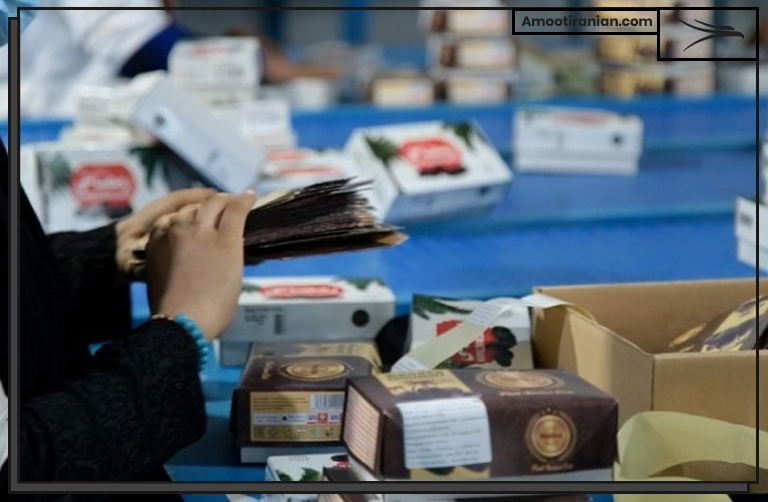
Check periodically for quality degradation signs. Sugar crystallization on surface indicates age but remains safe. However, off-odors or visible mold require discarding affected dates. The Amoot Iranian company packages dates ensuring optimal storage conditions during transit.

How to Identify High Quality Rabbi Dates?

High quality Rabbi dates display consistent dark brown to reddish-brown coloring. Uniform color indicates proper ripening and handling. Furthermore, quality dates show glossy sheen without excessive dullness. However, slight dulling occurs naturally with aging.

See also  Are Mazafati Dates Good? The Ultimate Quality Guide for Health-Conscious Consumers

Texture assessment reveals quality instantly. Quality rabbi feels firm yet pliable when squeezed gently. Moreover, the flesh should spring back slightly without excessive softness. Overly hard dates indicate poor storage or age.

Aroma evaluation provides quality clues. Fresh Rabbi dates emit pleasant, sweet fragrance with molasses notes. Additionally, any off-odors suggest fermentation or contamination. Quality suppliers ensure dates smell appealing consistently.

Visual inspection catches defects affecting quality. Look for intact skin without excessive cracking or splits. Furthermore, check for mold, insect damage, or foreign materials. Premium grades contain less than 3-5% defects by weight.

Size consistency indicates professional grading and selection. Quality lots show uniform date dimensions within narrow ranges. Moreover, consistent sizing ensures predictable product presentation. The Amoot Iranian company maintains strict grading standards across all date varieties.

Taste testing confirms quality ultimately. Quality Rabbi dates deliver balanced sweetness without bitter aftertaste. Furthermore, the flesh should feel smooth without excessive grittiness. The molasses-like flavor should come through clearly.

Rabbi Dates Vs Medjool, Piarom, Zahedi and Mazafati Dates

Rabbi dates occupy unique position among popular date varieties. Understanding comparative characteristics helps buyers make informed selections. However, each variety excels in specific applications and markets.

Rabbi vs Medjool: Medjool dates are larger, softer, and contain higher moisture (25-30%). They command premium prices ($5-15/kg) versus rabbi ($0.80-1.50/kg). However, Medjool requires refrigeration while rabbi stores easily. Both offer excellent nutrition, but rabbi provides better value for budget-conscious markets.

Rabbi vs Piarom: Both varieties fall into semi-dry categories with similar shelf stability. However, Piarom from Iran has darker color and more intense chocolate notes. Furthermore, Piarom commands higher prices due to limited production. Rabbi offers comparable nutrition at more accessible pricing for mass markets.

Rabbi vs Zahedi: Zahedi dates lean toward dry end of spectrum with golden-yellow color. They’re less sweet than rabbi and suited for baking. However, rabbi’s deeper flavor appeals more to direct consumption. Both varieties offer excellent shelf stability and economic pricing.

Rabbi vs Mazafati: Mazafati dates from Iran represent fresh category with 15-35% moisture. They’re much softer and require refrigeration always. Furthermore, Mazafati sells at premium prices for luxury markets. Rabbi offers firmer texture and ambient stability serving different market needs.

The Amoot Iranian company supplies multiple varieties enabling product diversification. We help clients select appropriate varieties for target demographics. Therefore, buyers can offer complete product ranges serving diverse customer preferences.

Frequently Asked Questions

Are Rabbi dates healthier?

Rabbi dates are very healthy, providing 7 grams fiber, 650 mg potassium, plus antioxidants and B vitamins per 100 grams, comparable to premium varieties nutritionally. The semi-dry nature concentrates nutrients naturally through reduced water content. Furthermore, rabbi offers excellent nutritional value at accessible pricing supporting healthy eating across economic classes.

The antioxidant levels match berry fruits according to Pakistani agricultural research. Additionally, the mineral profile supports cardiovascular, bone, and digestive health comprehensively. The natural sugars provide energy without refined sugar drawbacks when consumed moderately.

However, “healthier” depends on individual body needs and dietary context. Fresh varieties like Mazafati offer different moisture and texture benefits. Moreover, all date varieties deliver substantial nutrition—selection should match specific health goals and preferences. The Amoot Iranian company emphasizes choosing varieties aligned with personal needs.

How are rabbi dates different?

Rabbi dates differ through their semi-dry texture (18-22% moisture), deep molasses-like flavor, Pakistani origin, and exceptional affordability at $0.80-1.50 per kilogram wholesale. These characteristics distinguish rabbi from both fresh varieties like Medjool and completely dry options like Deglet Noor.

The cultivation primarily in Pakistan’s Sindh Province creates distinct terroir. Furthermore, rabbi demonstrates excellent pest resistance and water efficiency. The darker coloring and denser flesh provide visual and textural differentiation too.

The price point makes rabbi accessible to broader populations compared to premium varieties. Additionally, the shelf stability enables distribution without refrigeration logistics. These practical differences create unique market positioning opportunities. Understanding variety differences helps buyers match products to markets.

What are Rabi fresh dates?

“Rabi fresh dates” refer to Rabbi dates consumed immediately after harvest before drying occurs, featuring softer texture and higher moisture content around 25-30%. These fresh versions are available seasonally (September-November) in growing regions. Furthermore, they offer different eating experience than semi-dry rabbi found in export markets.

Fresh rabi spoil quickly without refrigeration, limiting distribution. Therefore, most exported rabbi undergo partial drying to 18-22% moisture for stability. Additionally, the semi-dry form concentrates flavors and nutrients naturally.

In Pakistan and neighboring regions, fresh rabi appear at local markets during harvest season. However, international markets primarily receive semi-dry versions. The Amoot Iranian company focuses on stable varieties suitable for global distribution rather than highly perishable fresh options.

What makes Rabbi dates special?

Rabbi dates are special for combining excellent nutrition, deep molasses-like sweetness, remarkable shelf stability, and exceptional affordability at wholesale prices under $2 per kilogram. This combination makes premium date nutrition accessible to all economic classes globally. Furthermore, the pest resistance and water efficiency support sustainable cultivation.

The Pakistani terroir creates unique flavor profiles. Additionally, centuries of cultivation refinement have optimized rabbi characteristics for commercial success. The semi-dry texture provides versatility across culinary applications from snacking to cooking.

Rabbi dates bridge the gap between fresh luxury varieties and completely dry industrial options. Moreover, the growing global demand demonstrates market appreciation for this balance. The Amoot Iranian company recognizes rabbi’s unique value proposition for cost-conscious health markets.

Contact Amoot Iranian for Premium Date Varieties

Rabbi dates represent exceptional opportunity for importers seeking nutritional value at accessible pricing. While our primary focus remains Iran’s premium varieties like Mazafati, Piarom, and Kabkab, the Amoot Iranian company connects buyers with certified suppliers for Pakistani rabbi and other specialty varieties.

Our 15+ years of global dates expertise enables comprehensive sourcing solutions across all major varieties. We understand market positioning, quality standards, and logistics requirements for successful dates distribution. Furthermore, our international network spans producing regions from Iran to Pakistan and beyond.

Contact Amoot Iranian today to discuss your date variety requirements. Our export team will help you select optimal varieties for your target markets, whether seeking Iran’s premium options or Pakistani value varieties like rabbi. Additionally, we provide samples enabling quality evaluation before commitment.

Get competitive quotes for comprehensive date variety portfolios from the world’s largest dates supplier network. Partner with us to access superior quality, reliable supply chains, and market insights that drive profitable growth. Reach out now to explore how Amoot Iranian can support your success in the expanding global dates market.

.

.

About The Author

Leave a Reply

Your email address will not be published. Required fields are marked *