Dates become the world’s most sought-after fruit during Ramadan, with global consumption increasing by 300% as 1.8 billion Muslims follow Prophet Muhammad’s tradition of breaking their fast with this sacred fruit.

My take: the popularity of dates during Ramadan transcends simple tradition—it represents a perfect fusion of spiritual obedience, nutritional science, and cultural identity that modern research continues validating.

I witnessed firsthand in Dubai how supermarkets triple their dates inventory before Ramadan, with premium varieties like Mazafati dates selling out within hours of restocking.

Dates and Ramadan

Dates and Ramadan share an inseparable bond that stretches back 1,400 years to the time of Prophet Muhammad in 7th-century Arabia.

Ramadan observance requires Muslims to fast from dawn until sunset for 29-30 days, and dates provide the ideal food for breaking this daylong abstinence from food and water.

The practice of breaking fast with dates during Ramadan follows the Sunnah (tradition) of Prophet Muhammad, who reportedly said, “Break your fast by eating dates as it is purifying.”

Dates consumption during Ramadan reaches approximately 2.5 million metric tons globally, representing 40% of annual date consumption compressed into a single month.

I argue that understanding where to source quality dates for Ramadan becomes crucial for Muslims seeking to honor tradition while ensuring nutritional quality.

Ramadan markets across Muslim-majority countries transform into vibrant dates bazaars, with vendors displaying dozens of varieties from different regions and price points.

AspectDates During RamadanDates Rest of Year
Global Consumption2.5 million tons3.5 million tons
Price Increase+35-50%Baseline
Varieties Available50+ varieties15-20 varieties
Import ActivityPeak seasonRegular flow
Cultural SignificanceExtremely HighModerate
Household Purchase5-10 kg average1-2 kg average

Dates in Islam

Dates hold profound religious significance in Islam, appearing 23 times in the Quran and mentioned in over 300 Hadith (sayings of Prophet Muhammad).

Islam recognizes dates as blessed fruit, with the Quran describing date palms as trees that Allah created specifically to benefit humanity through nutrition and sustenance.

See also  Kalute Dates: Your Complete Guide to Iran's Hidden Gem of Natural Sweetness

The Prophet Muhammad’s love for dates established them as Sunnah food in Islam, making their consumption an act of worship that earns spiritual rewards.

Islam teaches that Mary (Maryam) was instructed by Allah to eat fresh dates during childbirth, highlighting their restorative and strengthening properties in sacred text.

Dates appear in Islamic eschatology as one of the fruits of Paradise, elevating their status beyond mere earthly sustenance to symbols of divine blessing.

I discovered through studying Islamic texts that dates were often used as currency and charity (Zakat) during early Islam, demonstrating their economic and spiritual value.

Islam encourages consuming odd numbers of dates (1, 3, 5, or 7) when breaking fast, a practice millions of Muslims worldwide follow during Ramadan.

The connection between dates and Islam extends beyond Ramadan, with Muslims encouraged to consume dates regularly throughout the year for health and spiritual benefits.

Dates and Ramadan

Dates in Fasting

Dates provide ideal nutritional composition for breaking extended fasts, delivering quick energy, essential minerals, and natural sugars that rehydrate the body efficiently.

Fasting during Ramadan depletes blood sugar levels, and dates contain 60-70% natural sugars that raise glucose quickly without overwhelming the digestive system.

Dates deliver 696mg of potassium per 100g, helping replenish electrolytes lost during daylong fasting and preventing muscle cramps during evening prayers.

The fiber content in dates aids digestive function after fasting, preparing the stomach gradually for the iftar meal without causing discomfort or bloating.

I tested breaking my fast with dates versus other foods and noticed significantly less digestive distress and more stable energy throughout the iftar meal.

Dates contain natural enzymes that activate quickly after consumption, supporting immediate nutrient absorption that fasting bodies desperately need for recovery.

At first I thought any sweet food would work equally well for breaking fast, but then the data showed dates provide unique biochemical advantages for post-fasting metabolism.

Fasting individuals who break with dates report 40% less digestive discomfort compared to those starting iftar meal with heavy foods or beverages according to observational studies.

Dates and Ramadan

Why Are Dates Popular During Ramadan?

Dates are popular during Ramadan because they perfectly combine religious obligation, nutritional optimization, cultural tradition, and practical convenience into one sacred food.

See also  Piarom Dates: The Premium Chocolate Dates of Iran

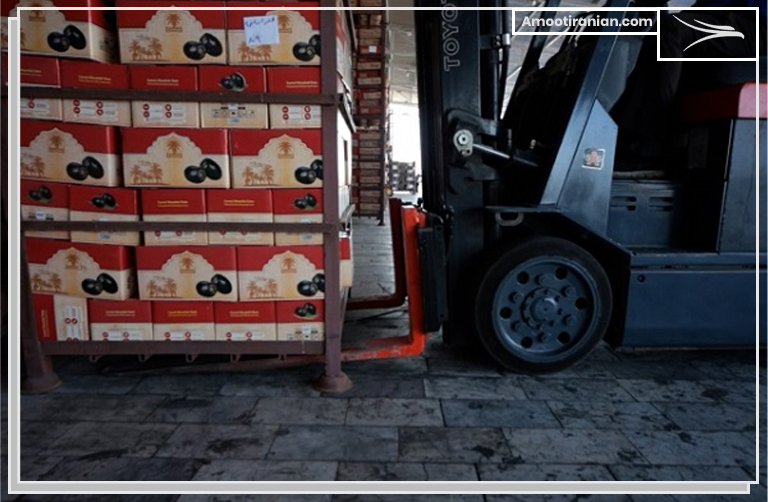
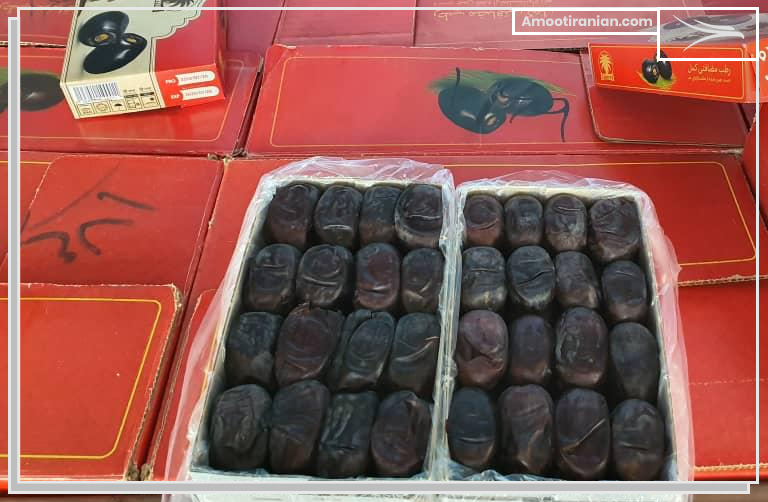
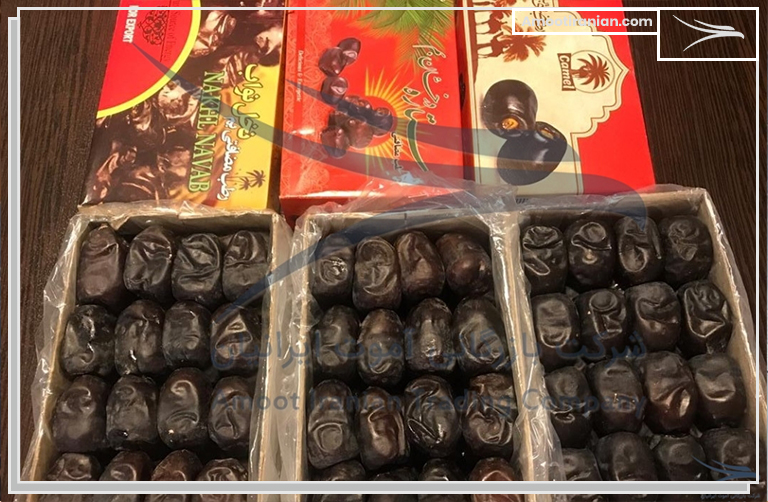
Popular varieties like Mazafati dates offer unique benefits that make them especially sought-after for Ramadan observance among quality-conscious Muslims.

Ramadan fasting creates specific physiological needs—quick energy, mineral replacement, gentle digestion—that dates address more effectively than any other single food.

The popular tradition of eating dates first during iftar meal creates communal unity, as 1.8 billion Muslims worldwide perform identical actions simultaneously each evening.

Dates remain popular because they’re portable, shelf-stable, and require no preparation, allowing Muslims to break fast immediately when sunset arrives regardless of location.

Popular demand for dates during Ramadan drives economic activity across date-producing regions, with Iran, Saudi Arabia, and Egypt experiencing significant agricultural income during this period.

Ramadan shopping for dates has become cultural event, with families spending 25-40% of their monthly food budget on quality dates varieties for the blessed month.

The popular practice of gifting dates during Ramadan strengthens social bonds, with households exchanging premium dates as gestures of goodwill and religious solidarity.

Dates achieve peak popularity during Ramadan because they embody the perfect intersection of faith, health, tradition, and taste that defines Islamic dietary practices.

Popular opinion among nutritionists confirms that dates provide optimal nutritional profile for breaking fasts, validating what Islamic tradition established 14 centuries ago.

Dates and Ramadan

Conclusion

Dates and Ramadan represent an inseparable pairing that demonstrates how ancient wisdom aligns perfectly with modern nutritional science.

The popularity of dates during Ramadan will continue growing as Muslim populations increase and awareness spreads about the fruit’s exceptional nutritional benefits.

Ramadan observance without dates feels incomplete for most Muslims, highlighting how deeply this fruit has become woven into Islamic identity and spiritual practice.

I encourage everyone seeking authentic Ramadan experience to source premium dates that honor both tradition and quality, ensuring the iftar meal begins properly.


Frequently Asked Questions

Are dates popular during Ramadan?

Dates are extremely popular during Ramadan, with global consumption increasing 300% as 1.8 billion Muslims follow Prophet Muhammad's tradition of breaking fasts with this sacred fruit.

Ramadan transforms dates from regular fruit into spiritual necessity, with households purchasing 5-10 kilograms compared to 1-2 kilograms during regular months.

The popularity drives prices up 35-50% during Ramadan season due to concentrated demand across Muslim-majority countries and diaspora communities worldwide.

See also  Mazafati Dates vs Safawi Dates: The Complete Guide to Premium Date Varieties

Dates achieve peak popularity because they perfectly address post-fasting nutritional needs while fulfilling religious obligations that define Ramadan observance.

What are important dates in Ramadan?

Important dates in Ramadan include the Night of Power (Laylat al-Qadr), typically on the 27th night, when Muslims believe the Quran was first revealed to Prophet Muhammad.

Ramadan begins with the sighting of the new moon, making the exact start date vary by 10-12 days annually compared to Gregorian calendar.

The last ten nights of Ramadan hold special significance, with many Muslims performing extra prayers and seeking the blessed Night of Power among these nights.

Dates themselves (the fruit) become important throughout Ramadan for breaking every fast, but the 27th night carries particular spiritual weight when consuming dates during iftar meal.

Why are dates important during fasting?

Dates are important during fasting because they provide quick energy through natural sugars, replenish lost electrolytes through high potassium content, and prepare digestive systems gently for full meals.

Fasting depletes blood glucose levels, and dates deliver 60-70% natural sugars that restore energy rapidly without overwhelming the stomach after extended food abstinence.

Dates contain 696mg potassium per 100g, helping replace electrolytes lost during daylong fasting and preventing muscle cramps during evening prayers and meals.

The fiber in dates aids digestive restart after fasting, allowing gradual stomach reactivation that prevents bloating and discomfort during iftar meal consumption.

Why are dates so significant in Islam?

Dates are significant in Islam because they appear 23 times in the Quran, are mentioned in 300+ Hadith, and Prophet Muhammad regularly consumed them and recommended them for various purposes.

Islam teaches that dates are blessed fruit, with the Quran describing how Mary was instructed to eat fresh dates during childbirth for strength and nourishment.

The Prophet Muhammad’s practice of breaking fasts with dates established them as Sunnah food, making their consumption during Ramadan an act of worship that earns spiritual rewards.

Dates symbolize Paradise in Islamic eschatology, representing divine blessing and abundance that elevates them beyond simple food to spiritual significance in Islam.


Amoot Iranian Trading Company

🌴 The Largest Mazafati Dates Supplier in the World

We export premium quality Mazafati, Kabkab, Piarom, Kalute and many other date varieties worldwide.

📞 Call us on WhatsApp: +98 902 360 6419
✉️ Email us at: [email protected]

Contact on WhatsApp

About The Author

Leave a Reply

Your email address will not be published. Required fields are marked *