
Is date a dried fruit? Which dried dates are the best? Date fruit is available in various types including fresh, dry, semi-fresh, and semi-dry.
.

.
What is a Dried Date?
Are Dates Dried Fruits or fresh?
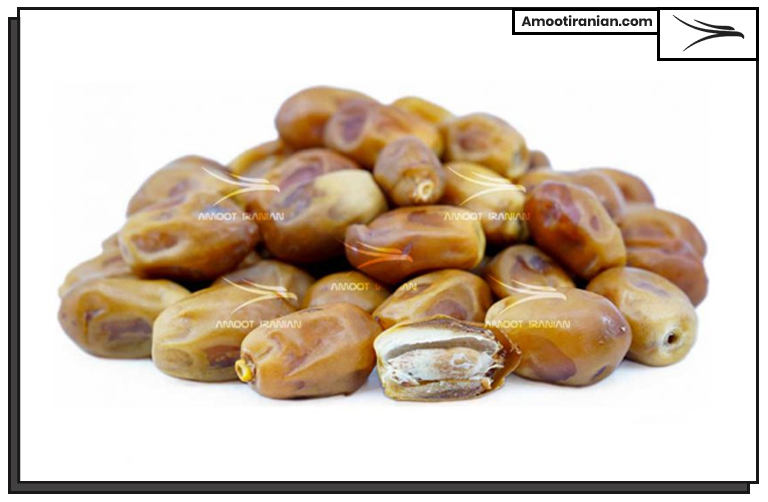
A dried date is a fruit that has been dehydrated by removing most of its moisture content through a natural or artificial process.
Dates are typically harvested in their fresh form from the date palm tree, and then dried to increase their shelf life and preserve their nutritional value.
.
.
The process of drying dates involves removing the water content from the fruit, which causes it to shrink and become denser. This makes the fruit chewier and sweeter, and concentrates its natural sugars and nutrients.
Dried dates are a popular snack food and are often used as a natural sweetener in baked goods, smoothies, and other recipes. They are also a good source of fiber, potassium, and antioxidants, and are often included in healthy diets.
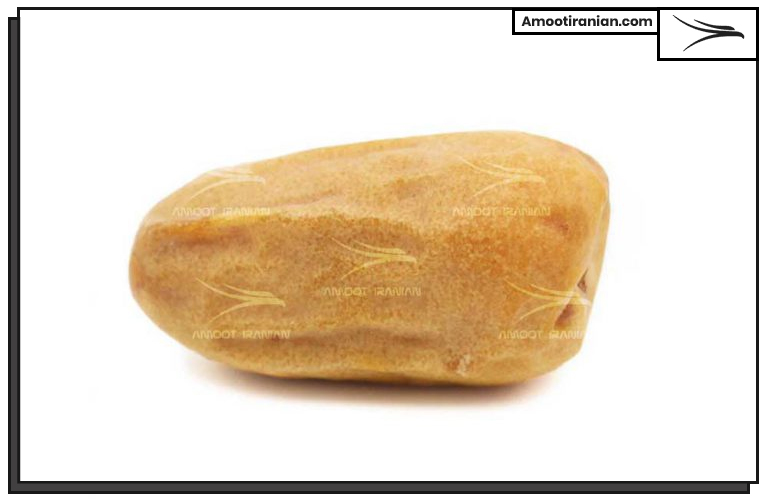
It’s worth noting that there are different types of dried dates available, including soft and hard varieties. Soft dates, such as Medjool dates, are often considered the most delicious and are commonly used for snacking or as a natural sweetener. Hard dates, such as Deglet Noor dates, have a firmer texture and are often used in baking or as a garnish.
.
.
Fresh Dates vs Dried Dates
Fresh dates and dried dates are two different forms of the same fruit, the date palm. Here are some of the key differences between fresh dates and dried dates:
.
1_Moisture Content
Fresh dates are high in moisture and have a soft, juicy texture. Dried dates, on the other hand, have had most of their moisture removed, making them chewy and dense.
2_Taste
Fresh dates have a milder, less sweet flavor than dried dates, which are concentrated in natural sugars and have a more intense, caramel-like taste.
3_Nutritional Value
Fresh dates and dried dates both contain high levels of fiber, potassium, and antioxidants. However, dried dates are more concentrated in these nutrients due to their reduced water content.
4_Shelf Life
Fresh dates have a short shelf life and should be consumed within a few days of purchase. Dried dates, on the other hand, can be stored for several months without spoiling.
5_Uses
Fresh dates are often eaten as a snack or used in salads and savory dishes, while dried dates are more commonly used as a natural sweetener in baked goods, smoothies, and desserts.
In summary, while fresh dates and dried dates have different textures, flavors, and uses, both forms of the fruit offer a range of health benefits and can be enjoyed as part of a healthy diet.
.
Are Dried Dates Good for You?
Which dates are the healthiest?
Yes, dried dates are a nutritious and healthy food choice that can offer several health benefits. In fact, both dry and fresh dates are nutritious.
.
Here are some reasons why dried dates are good for you:
1_High in Fiber
Dried dates are a good source of dietary fiber, which can help to promote healthy digestion and bowel regularity, lower cholesterol levels, and reduce the risk of chronic diseases like heart disease, diabetes, and cancer.
2_Rich in Vitamins and Minerals
Dried dates are high in several essential vitamins and minerals, including potassium, magnesium, iron, and vitamin B6. These nutrients can help to support overall health and wellbeing, and may be particularly beneficial for maintaining healthy blood pressure, strong bones, and a healthy immune system.
3_Good Source of Antioxidants
Dried dates contain several potent antioxidants, including phenolic compounds, which can help to protect against oxidative stress and inflammation in the body. This may help to reduce the risk of chronic diseases and improve overall health.
4_Natural Sweetener
Dried dates are a healthier alternative to refined sugars and can be used as a natural sweetener in a variety of recipes. This can help to reduce the intake of added sugars, which have been linked to several health problems.
5_Convenient and Versatile
Dried dates are a convenient and portable snack that can be enjoyed on their own or used in a variety of recipes. They can help to provide a quick burst of energy and are a great addition to a healthy, balanced diet.
In summary, dried dates are a nutritious and healthy food that can offer several health benefits. They are a good source of fiber, vitamins, minerals, antioxidants, and natural sugars, and can be enjoyed as part of a healthy diet.
.
.
Easy Recipes with Dried Dates
What are the best ways to eat dates? What can be mixed with dates? What can I make with a lot of dates?
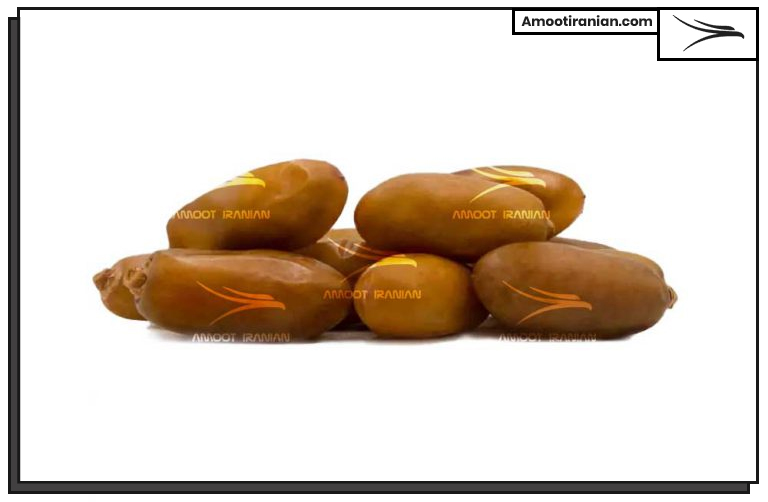
Dried dates are a versatile ingredient that can be used in a wide variety of recipes. Here are a few easy and delicious recipe ideas that incorporate dried dates:
1_ Zahidi Date and Nut Snack Mix
Ingredients:
- 1 cup of dried Zahidi dates, chopped
- 1 cup of mixed nuts (almonds, cashews, pistachios, etc.)
- 1/2 teaspoon of ground cinnamon
- 1/4 teaspoon of sea salt
Instructions:
- Preheat the oven to 350°F (175°C).
- In a mixing bowl, combine the chopped Zahidi dates, mixed nuts, cinnamon, and sea salt. Stir well to evenly distribute the ingredients.
- Spread the mixture onto a baking sheet lined with parchment paper.
- Bake for 10-12 minutes, stirring occasionally, until the nuts are lightly toasted and fragrant.
- Remove from the oven and let cool for a few minutes.
- Serve the snack mix as is or store in an airtight container for later use.
This snack mix is a delicious and healthy snack that is easy to make and perfect for on-the-go snacking. The Zahidi dates add a natural sweetness and chewiness to the mix, while the nuts provide a satisfying crunch and a good source of protein and healthy fats. Enjoy!
2_ Spiced Dried Fruit Compote
Ingredients:
- 2 cups of mixed dried fruit (such as apricots, figs, prunes, and raisins)
- 1 cinnamon stick
- 4 whole cloves
- 2 strips of orange peel (about 2 inches long)
- 1/4 cup of honey
- 2 cups of water
Instructions:
- In a medium-sized saucepan, combine the mixed dried fruit, cinnamon stick, cloves, orange peel, honey, and water.
- Bring the mixture to a boil over medium-high heat, stirring occasionally.
- Reduce the heat to low and simmer for 20-25 minutes, or until the fruit is soft and tender.
- Remove the cinnamon stick, cloves, and orange peel from the compote and discard.
- Serve the spiced dried fruit compote warm or cold as a dessert or snack.
This spiced dried fruit compote is a delicious and healthy way to enjoy a variety of dried fruits.
The warm spices and honey add a natural sweetness and depth of flavor to the dish, while the dried fruit provides a good source of fiber, vitamins, and minerals. It’s a great option for a cozy winter dessert or a healthy snack any time of day.
3_ Date and Nut Bars
Ingredients:
- 1 cup of pitted dried dates
- 1 cup of mixed nuts (such as almonds, walnuts, and cashews)
- 1/2 cup of rolled oats
- 1/4 cup of honey
- 1/4 cup of coconut oil
- 1 teaspoon of vanilla extract
- 1/2 teaspoon of ground cinnamon
- 1/4 teaspoon of sea salt
Instructions:
- Preheat the oven to 350°F (175°C). Line an 8×8 inch baking dish with parchment paper.
- In a food processor, pulse the dried dates until they form a paste.
- Add the mixed nuts and pulse a few times until they are chopped into small pieces.
- Add the rolled oats, honey, coconut oil, vanilla extract, cinnamon, and sea salt to the food processor. Pulse until the mixture is well combined.
- Press the mixture evenly into the prepared baking dish.
- Bake for 15-20 minutes, or until the edges are golden brown.
- Remove from the oven and let cool for a few minutes.
- Cut the bars into squares and serve.
These date and nut bars are a delicious and healthy snack that is easy to make and perfect for on-the-go snacking. The dried dates add a natural sweetness and chewiness to the bars, while the mixed nuts provide a satisfying crunch and a good source of protein and healthy fats. They are also gluten-free and can be customized with different nuts and spices to suit your taste preferences. Enjoy!
.
4_ Stuffed Dates with Cream and Pistachios
Ingredients:
- 20-25 pitted dried dates
- 1/2 cup of heavy cream
- 1/4 cup of pistachios, chopped
- 1/4 cup of sugar
- 1/4 cup of almonds, chopped
Instructions:
- Preheat the oven to 350°F (175°C). Line a baking sheet with parchment paper.
- In a small mixing bowl, whip the heavy cream until it forms soft peaks.
- In another mixing bowl, combine the chopped pistachios and almonds.
- Gently open each dried date and stuff it with a spoonful of whipped cream.
- Roll the stuffed dates in the chopped nut mixture to coat them evenly.
- Place the stuffed dates on the prepared baking sheet and sprinkle them with sugar.
- Bake for 5-7 minutes, or until the nuts are lightly toasted and the sugar is caramelized.
- Serve the stuffed dates warm as a dessert or snack.
These stuffed dates with cream and pistachios are a decadent and delicious treat that is perfect for special occasions or whenever you want to indulge your sweet tooth. The creamy filling pairs perfectly with the chewy sweetness of the dried dates, while the nuts add a satisfying crunch and a hint of saltiness. They are also easy to customize with different nuts or spices, so feel free to experiment and make them your own!
.
5_ Dried Date Loaf Bread
Ingredients:
- 1 1/2 cups of all-purpose flour
- 1 teaspoon of baking powder
- 1/2 teaspoon of baking soda
- 1/4 teaspoon of salt
- 1 cup of pitted and chopped dried dates
- 1/2 cup of unsalted butter, at room temperature
- 1/2 cup of brown sugar
- 2 large eggs
- 1 teaspoon of vanilla extract
- 1/2 cup of milk
Instructions:
- Preheat the oven to 350°F (175°C). Grease and flour a 9×5 inch loaf pan.
- In a medium mixing bowl, whisk together the flour, baking powder, baking soda, and salt.
- Stir in the chopped dried dates until they are evenly coated with the flour mixture.
- In a separate large mixing bowl, cream the butter and brown sugar until light and fluffy.
- Beat in the eggs, one at a time, and then add the vanilla extract.
- Gradually stir in the flour mixture, alternating with the milk, until the batter is smooth and well combined.
- Pour the batter into the prepared loaf pan and smooth the top with a spatula.
- Bake for 50-60 minutes, or until a toothpick inserted into the center of the loaf comes out clean.
- Let the loaf cool in the pan for 10-15 minutes before removing it and letting it cool completely on a wire rack.
- Slice and serve the dried date loaf bread as a delicious breakfast or snack.
This dried date loaf bread is a perfect balance of sweetness and texture, thanks to the juicy dried dates and moist, tender crumb of the bread. It’s easy to make and a great way to enjoy the rich flavor of dried dates in a wholesome and satisfying way. Enjoy it with a cup of coffee or tea for a comforting treat any time of day.
.
6_ Dry date, pumpkin and nut snack
Ingredients:
- 1 cup pitted dates, chopped
- 1 cup raw pumpkin seeds
- 1 cup raw nuts (almonds, walnuts, pecans, or cashews)
- 1 tablespoon coconut oil
- 1 teaspoon ground cinnamon
- 1/4 teaspoon ground ginger
- 1/4 teaspoon ground nutmeg
- Pinch of salt
Instructions:
- Preheat the oven to 350°F (175°C).
- In a large bowl, combine the chopped dates, pumpkin seeds, and nuts.
- Melt the coconut oil in a small saucepan over low heat. Once melted, remove from heat and add the cinnamon, ginger, nutmeg, and salt. Stir well to combine.
- Pour the spiced coconut oil over the date and nut mixture and stir until evenly coated.
- Spread the mixture in a single layer on a large baking sheet lined with parchment paper.
- Bake for 15-20 minutes, stirring occasionally, until the nuts and seeds are lightly toasted and the dates are slightly caramelized.
- Remove from the oven and let cool completely before serving or storing in an airtight container.
This dry date, pumpkin, and nut snack is perfect for an on-the-go snack, a healthy breakfast, or a tasty dessert. Enjoy!
.
7_ Dry date snack with chocolate and coconut
Ingredients:
- 1 cup pitted dates, chopped
- 1/2 cup unsweetened shredded coconut
- 1/2 cup dark chocolate chips
- 1 tablespoon coconut oil
- Pinch of salt
Instructions:
- Preheat the oven to 350°F (175°C).
- In a large bowl, combine the chopped dates and shredded coconut.
- In a small saucepan, melt the dark chocolate chips and coconut oil over low heat, stirring constantly, until smooth and fully melted.
- Pour the melted chocolate over the date and coconut mixture and stir until the dates and coconut are evenly coated.
- Line a large baking sheet with parchment paper.
- Use a tablespoon to scoop out small portions of the date mixture and place them on the baking sheet, leaving some space between each one.
- Sprinkle a pinch of salt over the top of each date cluster.
- Bake for 10-12 minutes, until the chocolate is set and the coconut is lightly toasted.
- Remove from the oven and let cool completely before serving or storing in an airtight container.
This dry date snack with chocolate and coconut is a sweet and satisfying treat that’s perfect for satisfying your sweet tooth. Enjoy!
.
8_ Dry date snack:
Ingredients:
- 1 cup pitted dates, chopped
- 1/2 cup raw almonds
- 1/2 cup raw cashews
- 1/4 cup unsweetened shredded coconut
- 1 teaspoon ground cinnamon
- 1/4 teaspoon ground ginger
- Pinch of salt
Instructions:
- Preheat the oven to 350°F (175°C).
- In a large bowl, combine the chopped dates, almonds, cashews, and shredded coconut.
- In a small bowl, mix together the cinnamon, ginger, and salt.
- Sprinkle the spice mixture over the date and nut mixture and stir until evenly coated.
- Line a large baking sheet with parchment paper.
- Use a tablespoon to scoop out small portions of the date mixture and place them on the baking sheet, leaving some space between each one.
- Bake for 10-12 minutes, until the nuts are lightly toasted and the dates are slightly caramelized.
- Remove from the oven and let cool completely before serving or storing in an airtight container.
This dry date snack with nuts and spices is a tasty and satisfying treat that’s perfect for snacking on the go or for enjoying as a healthy dessert. Enjoy!
.
Various Type of Dry And Fresh Dates Available at Amoot Iranian
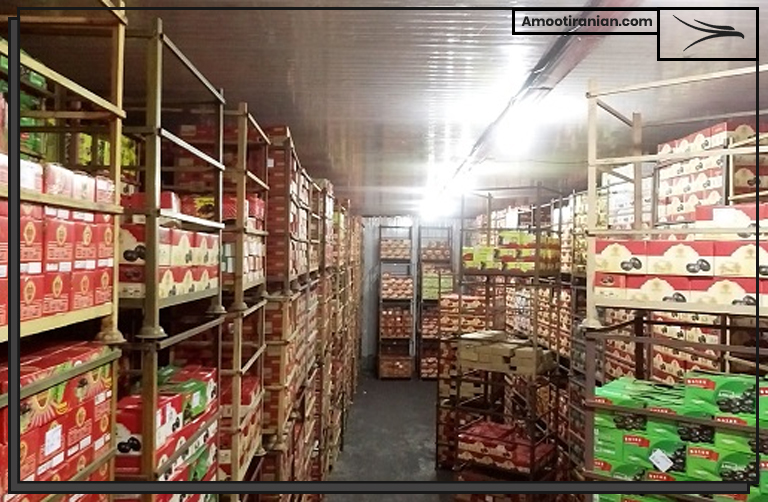
Amoot Iranian Trading Company is a famous and reliable supplier and exporter of many different kinds of date fruit from Iran to the four corners of the world.
.
.
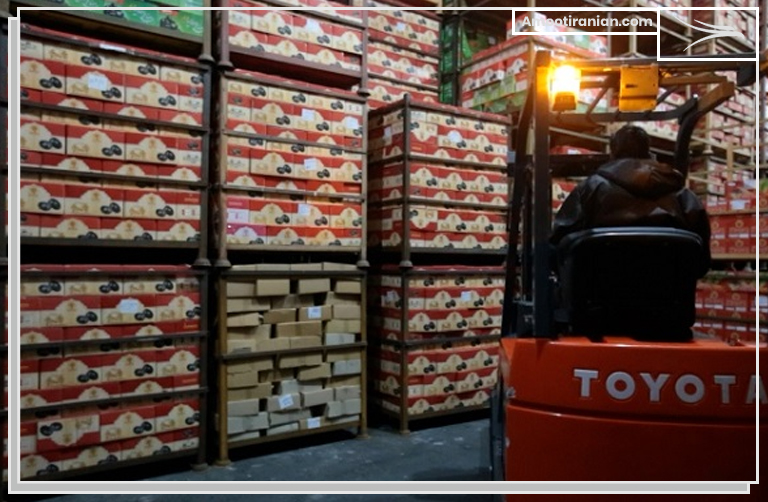
Amoot Iranian Trading Company has been in the business of exporting high-quality date fruits for many years and has gained a reputation for being one of the most reliable and trustworthy suppliers in the industry. The company sources its dates from the best date-growing regions of Iran, such as Bam, Khuzestan, and Sistan and Baluchestan, where the climate and soil are ideal for producing premium quality dates.
.
Amoot Iranian Trading Company offers a wide variety of dates, including Mazafati dates, Piarom dates, Zahedi dates, Rabbi dates, and many more.
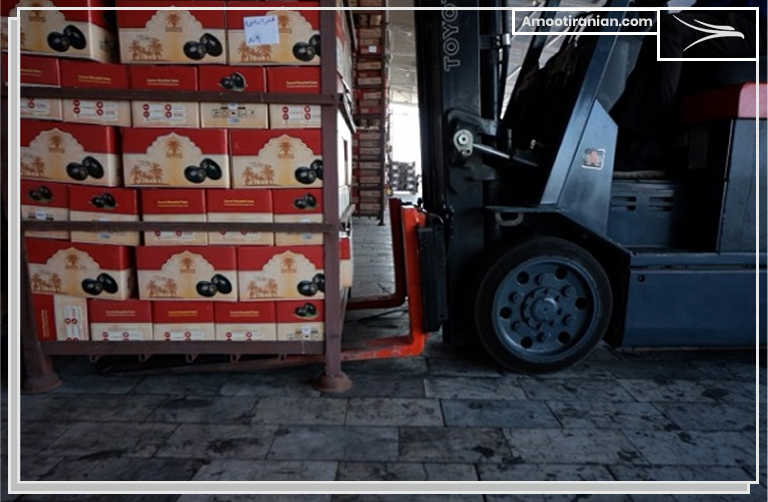
These dates come in different sizes, grades, and packaging options to suit the needs of different customers around the world. The company ensures that its dates are of the highest quality, with each batch undergoing strict quality control checks before being shipped to its customers.
.
In addition to providing high-quality dates, Amoot Iranian Trading Company also offers excellent customer service to its clients.
Its experienced team is always available to assist customers with their inquiries, provide them with detailed information about the different date varieties, and help them choose the right products for their business.
.
.
Overall, Amoot Iranian Trading Company is a reliable and reputable supplier of premium quality date fruits from Iran.
Its commitment to quality, customer service, and timely delivery has earned it the trust and loyalty of customers around the world.