Last month, a market analyst asked me which country dominates global date production.
Most people guess Saudi Arabia or Iran immediately. The religious and cultural associations seem obvious. However, the actual data surprises even industry veterans.
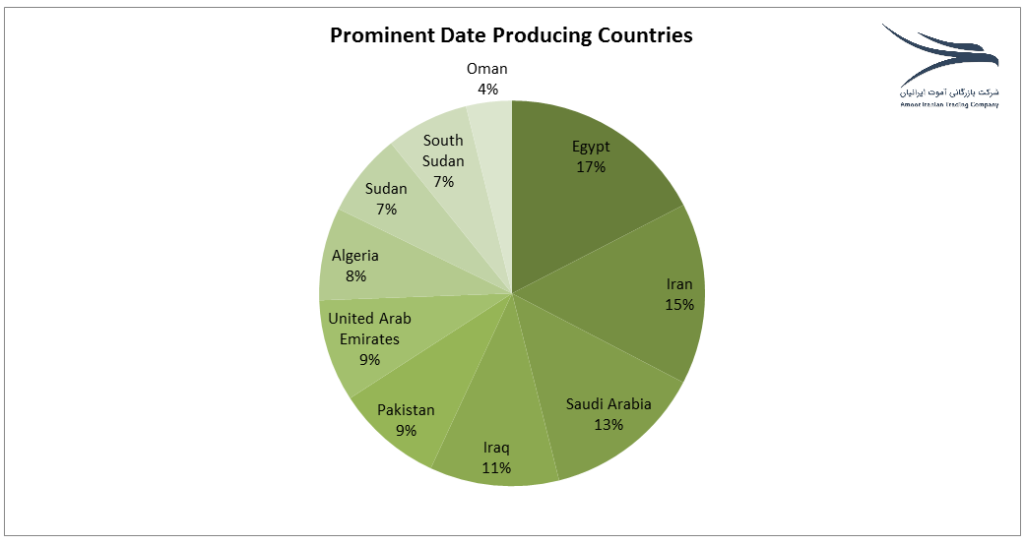
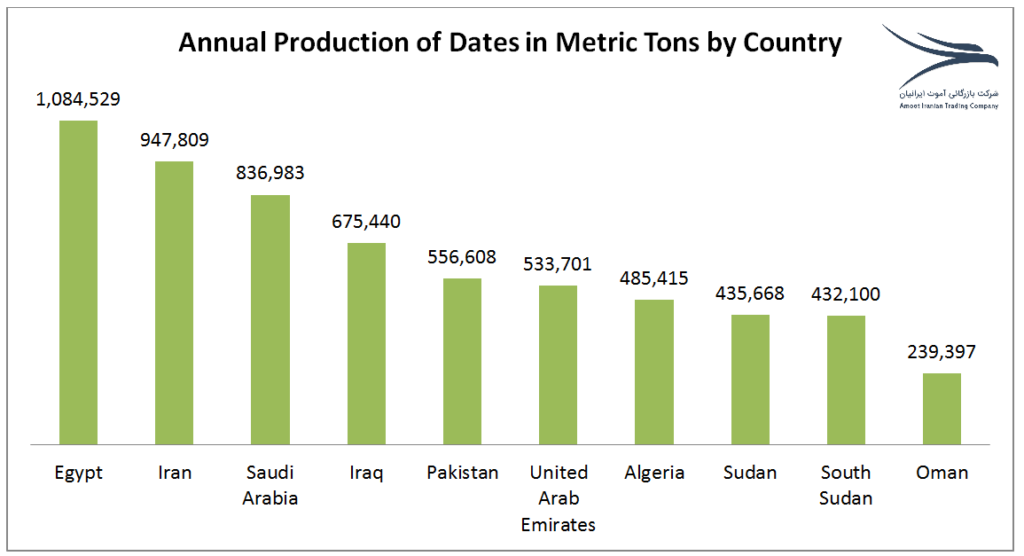
Egypt leads the world by significant margin. Their 1.9 million ton output exceeds Saudi Arabia’s production by 300,000 tons.
My take? Understanding global date production patterns reveals untapped sourcing opportunities and market dynamics.
Global Date Production Overview
Date production worldwide exceeds 9 million tons annually. The crop concentrates in hot, arid regions across Middle East and North Africa. These areas provide ideal climate conditions dates require.
According to FAO agricultural statistics, global production increased 4.2% from 2024 to 2025. Climate challenges and water scarcity threaten future growth despite rising demand.
The top 19 producing countries account for approximately 95% of global output. Small producers in India, Niger, and Mauritania contribute the remaining 5%.
Production rankings shift gradually over time. Egypt consolidated its lead position over the past decade. Iran’s production declined slightly due to water restrictions in Kerman province.
The table below shows complete 2025 production data:
| Rank | Country | Production (Tons) | % of Global | Primary Varieties | Export Volume |
|---|---|---|---|---|---|
| 1 | Egypt | 1,900,000 | 20.8% | Zaghloul, Samani, Hayani | 15% exported |
| 2 | Saudi Arabia | 1,600,000 | 17.5% | Ajwa, Sukkari, Khudri | 8% exported |
| 3 | Algeria | 1,300,000 | 14.2% | Deglet Nour | 65% exported |
| 4 | Iran | 1,000,000 | 10.9% | Mazafati, Piarom, Kabkab | 35% exported |
| 5 | Iraq | 635,900 | 7.0% | Zahidi, Khastawi, Sayer | 5% exported |
| 6 | Pakistan | 503,800 | 5.5% | Aseel, Begum Jangi | 12% exported |
| 7 | Sudan | 442,700 | 4.8% | Barakawi, Gondaila | 8% exported |
| 8 | Oman | 394,900 | 4.3% | Khalas, Khasab | 10% exported |
| 9 | Tunisia | 386,400 | 4.2% | Deglet Nour | 70% exported |
| 10 | UAE | 329,400 | 3.6% | Various imported varieties | 2% exported |
| 11 | Libya | 188,300 | 2.1% | Various local varieties | 3% exported |
| 12 | China | 161,400 | 1.8% | Local varieties | <1% exported |
| 13 | Turkey | 127,300 | 1.4% | Local varieties | 5% exported |
| 14 | Kuwait | 123,000 | 1.3% | Mixed varieties | <1% exported |
| 15 | Morocco | 107,400 | 1.2% | Mejhoul, Boufeggous | 18% exported |
| 16 | Yemen | 66,800 | 0.7% | Various local varieties | <1% exported |
| 17 | USA | 44,500 | 0.5% | Medjool, Deglet Nour | 25% exported |
| 18 | Qatar | 35,500 | 0.4% | Mixed varieties | <1% exported |
| 19 | Jordan | 31,700 | 0.3% | Medjool, Barhi | 15% exported |

1. Egypt – 1.9 Million Tons
Egypt leads global date production with 1.9 million tons annually, representing over 20% of worldwide output.
The Nile Delta and oases regions produce most Egyptian dates. These areas provide abundant water from underground sources. Climate conditions in Egypt’s southern regions create ideal growing environments.
Egyptian date cultivation spans approximately 73,000 hectares. The industry employs over 300,000 workers directly. Production concentrates in New Valley, Aswan, and Giza governorates.
Zaghloul represents Egypt’s most popular variety domestically. This soft, red date dominates local markets during Ramadan. Samani and Hayani varieties also enjoy strong domestic demand.
However, Egypt exports only 15% of production. The massive domestic population of 105+ million consumes most output. Per capita consumption reaches 18kg annually, among world’s highest.
Egyptian dates face quality consistency challenges. Small-scale farmers dominate production, creating variable standards. Modern packaging and cold storage remain limited outside major cities.
The government invested $200 million in date industry development from 2020-2025. This focused on improving post-harvest handling and processing. Results show gradual quality improvements.
Egyptian dates typically cost 30-50% less than premium varieties from Iran or Saudi Arabia. This price advantage drives bulk exports to African markets. However, premium international markets prefer other origins.
2. Saudi Arabia – 1.6 Million Tons
Saudi Arabia produces 1.6 million tons annually, ranking second globally despite challenging climate conditions.
The Kingdom cultivates dates across 160,000 hectares. Major production centers include Al-Ahsa, Qassim, and Medina regions. Modern irrigation technology enables cultivation in harsh desert conditions.
Ajwa dates from Medina command premium prices globally. Religious significance drives demand regardless of production volume. Sukkari variety from Qassim represents another premium Saudi date.
Saudi Arabia exports approximately 8% of production despite producing high-value varieties. Strong domestic consumption absorbs most output. The affluent population of 35+ million consumes dates extensively.
The Saudi government supports date industry through Vision 2030 initiatives. Investments in processing facilities and export infrastructure totaled $500+ million since 2020. Modern packaging operations now match international standards.
Saudi dates fetch premium prices internationally. Ajwa dates retail for $25-40 per kilogram in export markets. Sukkari commands $15-25 per kilogram. These prices exceed most competitors by 2-3x.
However, production costs in Saudi Arabia are high. Water scarcity and expensive labor limit profitability. Desalination and irrigation systems require significant ongoing investment.
The Kingdom focuses on quality over quantity. Premium varieties and religious significance position Saudi dates uniquely. This strategy works despite higher production costs and limited export volumes.
3. Algeria – 1.3 Million Tons
Algeria produces 1.3 million tons annually, ranking third globally and dominating North African exports.
Algerian date cultivation concentrates in southern desert oases. Biskra region produces approximately 60% of national output. The country cultivates dates across 169,000 hectares.
Deglet Nour represents Algeria’s export champion. This semi-dry variety dominates European and North American markets. The translucent, honey-like appearance appeals to Western consumers.
Algeria exports approximately 65% of production, the highest export ratio among major producers. Most exports flow to Europe, particularly France. The colonial connection established lasting trade relationships.
Algerian date exports earned $180 million in 2024. Deglet Nour accounts for 90% of export value. The variety’s stability during shipping suits international trade perfectly.
However, climate change threatens Algerian production. Decreased rainfall and rising temperatures stress oasis ecosystems. Many traditional water sources are depleting.
The government invested in modern irrigation systems and date palm propagation. Research centers work on drought-resistant varieties. These efforts aim to sustain production despite climate challenges.
Algerian dates compete primarily on price rather than premium quality. They cost less than Tunisian Deglet Nour but more than Egyptian varieties. This middle positioning serves mainstream European markets effectively.
4. Iran – 1 Million Tons
Iran produces 1 million tons annually, ranking fourth globally despite possessing highest date diversity.
Iranian date cultivation spans 240,000 hectares across 15 provinces. Kerman province produces premium Mazafati and Piarom varieties. Khuzestan and Bushehr provinces grow Kabkab and other commercial varieties.
Iran cultivates over 400 date varieties, more diversity than any other country. However, Mazafati dominates export focus. This premium variety represents approximately 35% of Iranian date exports.
Mazafati dates from Bam region command premium prices internationally. The soft, fresh variety requires cold storage but delivers superior eating quality. Export markets in UAE, Malaysia, and India absorb large quantities.
Iran exports approximately 35% of production, earning $550+ million annually. This makes dates Iran’s fourth-largest agricultural export after pistachios, saffron, and caviar.
However, international sanctions complicate Iranian date exports. Banking restrictions force complex payment arrangements. Some buyers avoid Iranian dates despite superior quality due to compliance concerns.
Water scarcity increasingly threatens Iranian production. Kerman province faces severe groundwater depletion. Traditional qanat irrigation systems are failing. Climate change exacerbates these challenges.
Iranian dates offer best value-to-quality ratio globally. Premium Mazafati costs $6-10 per kilogram from Iranian exporters, far less than comparable quality varieties from other origins.
5. Iraq – 635,900 Tons
Iraq produces 635,900 tons annually, representing significant recovery from war-damaged production levels.
Iraq historically ranked among top three producers before 1980. Decades of conflict destroyed date palm groves and irrigation systems. Production fell 75% from peak levels.
Recovery efforts since 2010 restored approximately 60% of lost production capacity. Basra governorate leads restoration efforts. The region once contained 30+ million date palms.
Zahidi represents Iraq’s primary commercial variety. This dry, golden date suits processing and long-term storage. Khastawi and Sayer varieties also contribute to production.
Iraq exports only 5% of production currently. Damaged infrastructure limits export capability. Most output serves domestic consumption and regional trade with neighboring countries.
The government targets 1 million tons production by 2030. International aid organizations support replanting programs. The Food and Agriculture Organization invested $25 million in Iraqi date industry rehabilitation.
Iraqi dates offer good quality at competitive prices. However, inconsistent supply and quality control limit international market access. Rebuilding trust with global buyers requires sustained quality improvement.
6. Pakistan – 503,800 Tons
Pakistan produces 503,800 tons annually with rapidly growing production and export ambitions.
Pakistani date cultivation concentrates in Sindh and Balochistan provinces. Khairpur region in Sindh produces approximately 70% of national output. The Indus River provides essential irrigation water.
Aseel variety represents Pakistan’s premium date. This soft, amber date rivals Middle Eastern varieties in quality. Begum Jangi offers another quality option for export markets.
Pakistan exports approximately 12% of production, earning $35 million annually. Major export destinations include India, Afghanistan, and Gulf countries. Growing demand from China presents opportunities.
The government launched “Vision 2025” for date sector development. Targets include doubling exports and improving post-harvest infrastructure. Investment in tissue culture laboratories aims to increase quality palm cultivation.
Pakistani dates face branding challenges internationally. Consumers associate premium dates with Middle Eastern origins. Overcoming this perception requires sustained marketing investment.
Climate conditions in Pakistan suit date cultivation excellently. Production costs remain relatively low compared to Gulf countries. This creates competitive advantage if quality standards improve.
7-10. Sudan, Oman, Tunisia, UAE
Sudan (442,700 tons) cultivates dates along the Nile River valley. Barakawi and Gondaila varieties dominate production. Limited infrastructure restricts export development despite good growing conditions.
Oman (394,900 tons) produces premium varieties including Khalas and Khasab. The country exports 10% of production primarily to Gulf neighbors. Traditional farming methods limit scale but ensure quality.
Tunisia (386,400 tons) specializes in Deglet Nour export production. The country exports 70% of output, earning $240 million annually. Tunisian Deglet Nour commands premium prices over Algerian competition.
UAE (329,400 tons) imports technology and expertise despite limited water resources. Modern tissue culture facilities produce quality palms. However, most dates for domestic consumption rather than export.
11-15. Libya Through Morocco
Libya (188,300 tons) struggles with political instability affecting production. Historic date palm groves in Ghadames and Sebha regions operate below capacity. Tribal conflicts disrupt irrigation systems.
China (161,400 tons) produces dates in Xinjiang province. Production serves domestic market exclusively. Chinese dates differ significantly from Middle Eastern varieties.
Turkey (127,300 tons) cultivates dates primarily in southeastern provinces. Production serves local consumption. Quality doesn’t match premium varieties from warmer climates.
Kuwait (123,000 tons) maintains date cultivation despite urbanization pressures. Wealthy citizens maintain palm groves traditionally. Production mostly for domestic consumption.
Morocco (107,400 tons) grows premium Mejhoul variety. The country exports 18% of production, earning good prices. Draa Valley produces most commercial output.
16-19. Smaller Producers
Yemen (66,800 tons) faces production challenges from ongoing conflict. Traditional varieties serve domestic market. Export capability severely limited.
United States (44,500 tons) produces dates exclusively in California’s Coachella Valley. Medjool and Deglet Nour dominate production. The country exports 25% despite small scale.
Qatar (35,500 tons) and Jordan (31,700 tons) maintain date cultivation for cultural reasons. Both countries import more dates than they export. Production supplements rather than supplies domestic needs.
Production Trends and Future Outlook
Global date production faces significant challenges despite growing demand. Climate change threatens traditional growing regions. Water scarcity limits expansion possibilities.
According to agricultural forecasting models, global production may plateau around 10 million tons by 2030. Further growth requires technological solutions to water and climate challenges.
Iran and Pakistan show strongest growth potential. Both countries invest in modern cultivation techniques. However, political and infrastructure challenges must be overcome.
North African producers face climate pressures. Oasis ecosystems are degrading. Sustainable production requires significant adaptation investments.

Summary
Egypt leads global date production with 1.9 million tons annually. Saudi Arabia and Algeria follow closely. These three countries produce over half of world’s dates.
Iran ranks fourth but exports highest-value dates. Mazafati dates from Iran command premium prices globally. Quality often matters more than production volume.
Production concentrates in hot, arid regions. Climate change and water scarcity present existential threats. The industry must adapt or face production declines.
Export ratios vary dramatically by country. Algeria and Tunisia export most production. Egypt and Saudi Arabia consume most output domestically.
Understanding production patterns helps buyers identify sourcing opportunities. Different countries offer different quality levels and price points.
Looking for premium Iranian dates from the world’s fourth-largest producer? Contact Amoot Iranian Trading Company today. We supply the finest Mazafati, Piarom, and Kabkab dates from Iran’s best growing regions. Our quality and value exceed dates from higher-volume producers. Discover why Iran’s dates lead in quality despite ranking fourth in volume.
Amoot Iranian Trading Company
🌴 The Largest Mazafati Dates Supplier in the World
We export premium quality Mazafati, Kabkab, Piarom, Kalute and many other date varieties worldwide.
📞 Call us on WhatsApp:
+98 902 360 6419
✉️ Email us at:
[email protected]
.
.