Picture this: You’re searching for a natural sweetener that won’t spike your blood sugar like refined sugar does. You want something that tastes incredible while actually nourishing your body. That’s exactly where Medjool dates come in, my friend.

After supplying premium dates to 40+ countries for over 15 years, we’ve seen the global demand for Medjool dates explode. Why? Because these caramel-like gems deliver exceptional taste while supporting your health goals. However, most people don’t realize what makes them truly special or how to use them effectively.

Here’s my take: Medjool dates aren’t just another dried fruit. They’re a nutritional powerhouse that ancient civilizations valued as “the king of dates” for good reason. Therefore, understanding their benefits, nutrition profile, and proper consumption matters for anyone seeking healthier food choices.


30-Second Summary

Medjool dates (Phoenix dactylifera) are large, soft dates with a caramel-like flavor, originating from Morocco and cultivated for thousands of years. These premium dates offer exceptional sweetness, soft texture, and impressive nutritional value that sets them apart from other date varieties.

This comprehensive guide reveals everything you need to know about Medjool dates—from their unique characteristics to science-backed health benefits.

What you’ll discover in this guide:

  • Complete nutritional breakdown of Medjool dates with exact figures
  • Evidence-based health benefits backed by research from ncbi.nlm.nih.gov
  • Practical ways to add Medjool dates to your daily diet
  • Honest answers about potential disadvantages and daily consumption limits

Based on 15+ years supplying premium dates globally, including authentic Moroccan and California-grown Medjool varieties to international markets.


What Are Medjool Dates?

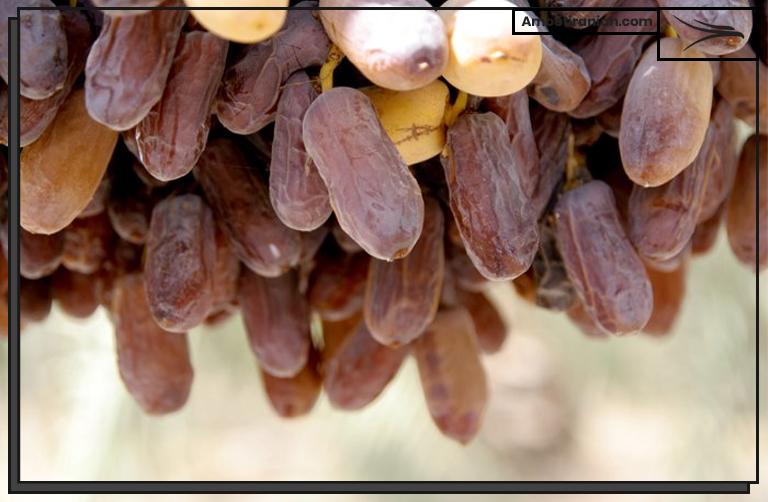
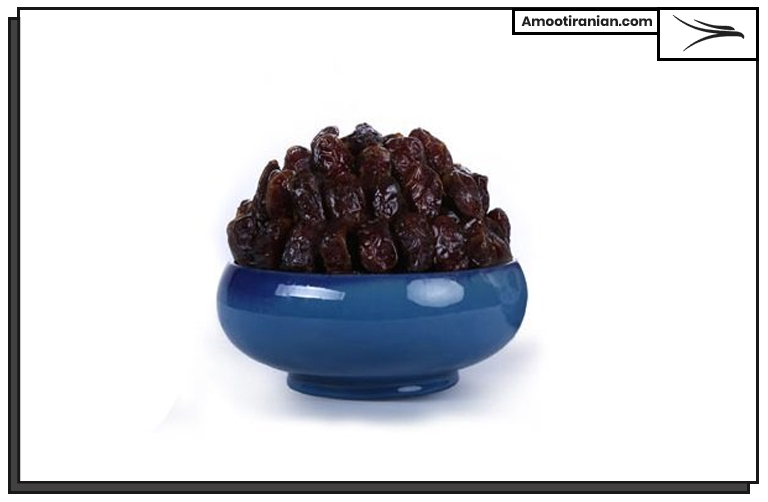
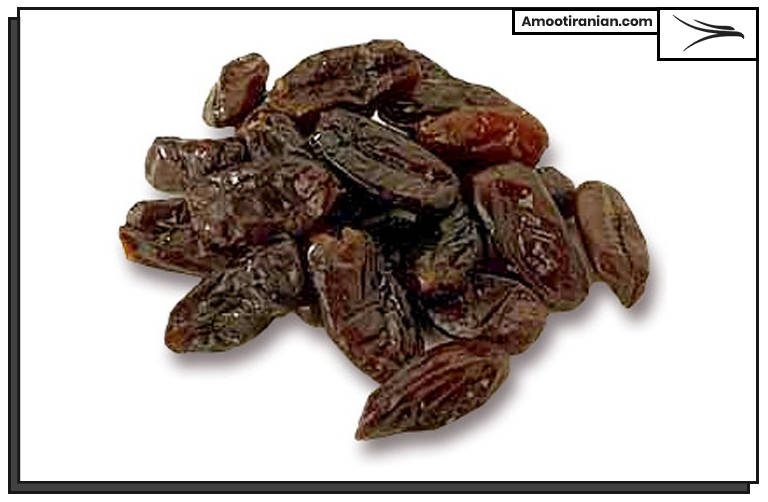
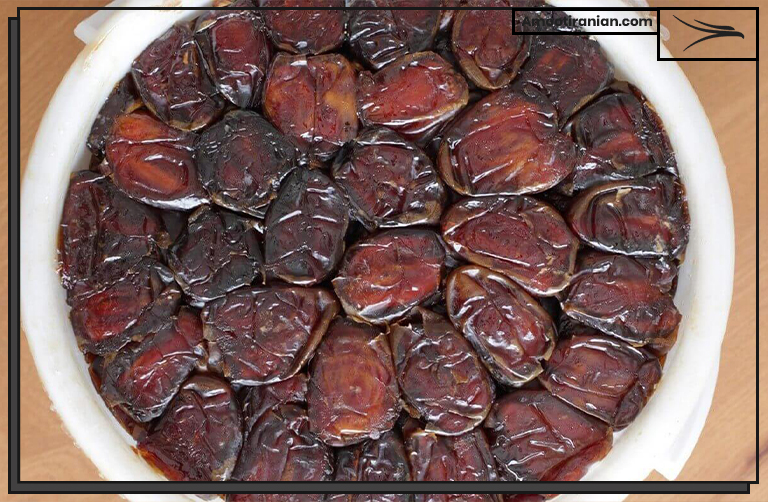
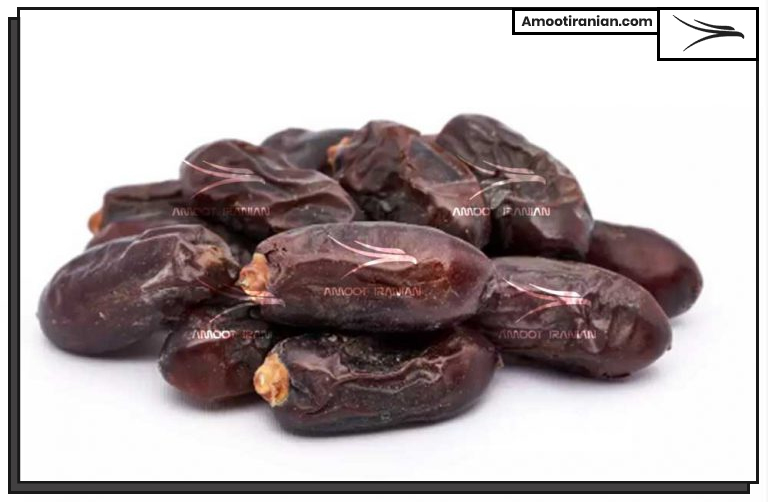
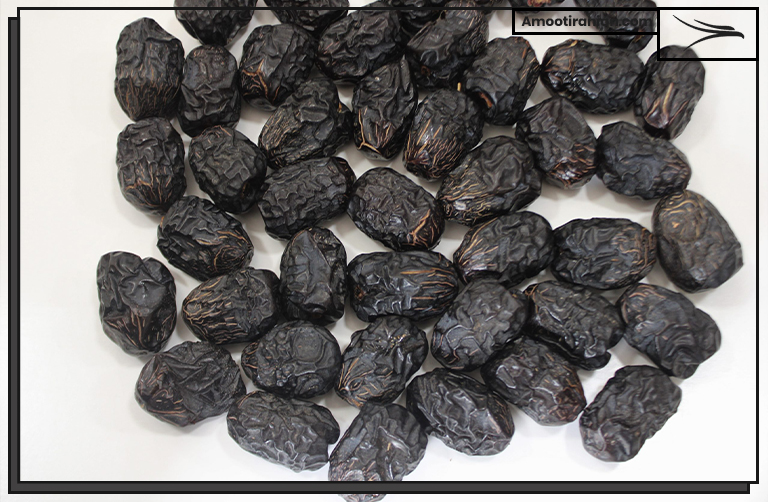
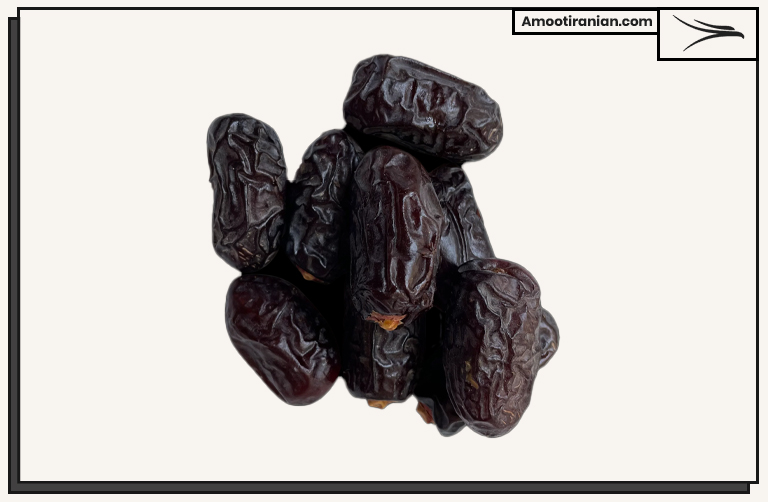
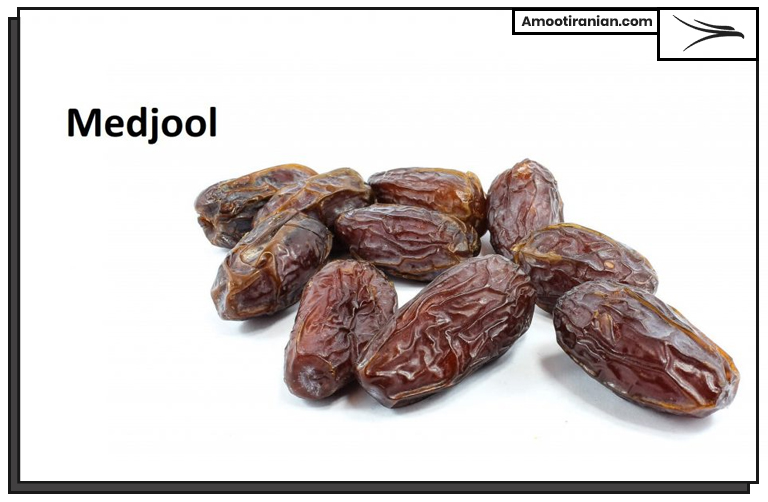
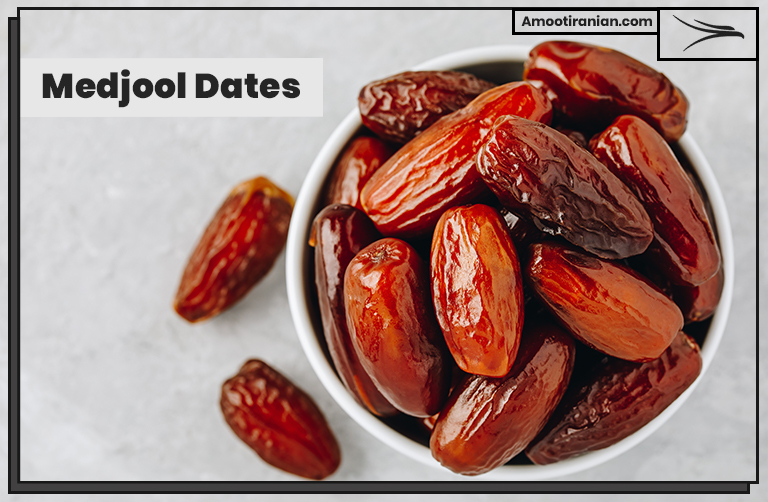
Medjool dates represent the pinnacle of date fruit varieties. These plump, cylindrical fruits measure approximately 5 cm in length and 2.6 cm in diameter. Additionally, each date weighs around 22 grams including the pit. The glossy maple-brown skin wraps around amber pulp that delivers notes of caramel, honey, and cinnamon.

Originating in Morocco (where they’re known as Mejhool), these dates trace back roughly 4,000 years to the Persian Gulf region. Therefore, their cultivation history spans millennia across the Middle East, Africa, Asia, and Europe through Arab colonization. In the 1920s, cultivation expanded dramatically in the United States, particularly in California and Arizona.

Honestly, the “king of dates” nickname isn’t marketing fluff. Medjool dates earned this title through their superior size, exceptional sweetness, and luxurious texture. Consequently, they command premium prices in global markets compared to other date varieties. Learn more about different date varieties supplied by Amoot Iranian.

Date palms producing Medjool dates can live up to 150 years. Meanwhile, each palm produces clusters containing over 1,000 dates per bunch, though yield declines with age. That said, proper cultivation and harvesting techniques maintain quality across decades.

Ancient Egyptians used these dates for winemaking. Furthermore, they remain integral to Islamic traditions, especially during Ramadan for breaking the fast. Discover why dates are popular during Ramadan. The fruit’s high natural sugar content makes it shelf-stable—lasting up to 6 months refrigerated or a full year when frozen.

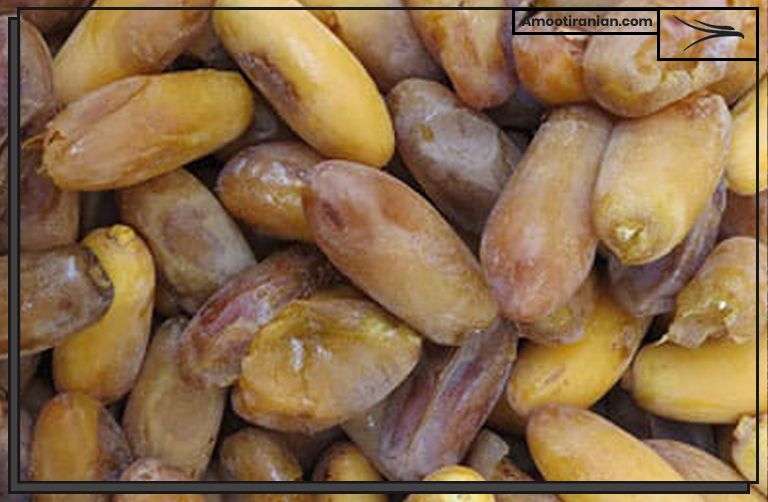
Here’s how it works: Medjool dates are harvested when fully ripe to maximize their sugar content. This ensures the characteristic soft, chewy texture and intense sweetness that distinguishes them from semi-dry or dry date varieties. Therefore, proper timing during harvest directly impacts quality and taste.

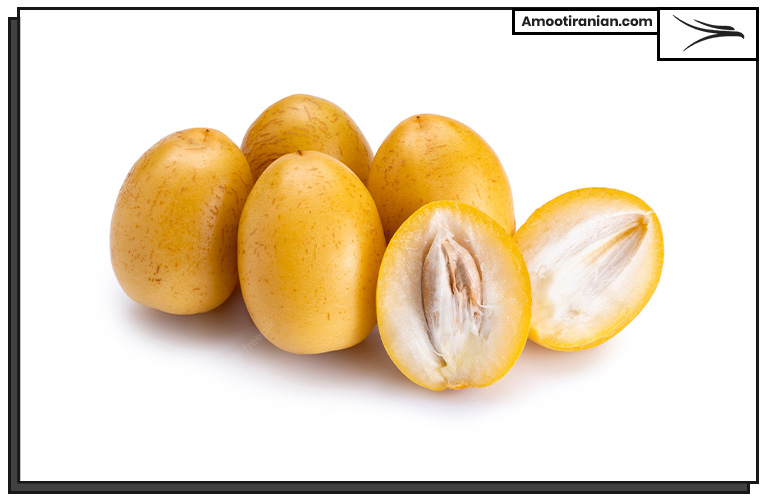
What makes their physical characteristics remarkable? Each fruit contains a single elongated pit weighing approximately 1.3 grams. The amber pulp surrounding this pit offers exceptional sweetness without any added sugars or preservatives. Consequently, they’re perfect for health-conscious consumers seeking natural alternatives to refined sweeteners.

Medjool Dates

Medjool Date Nutrition Facts

Medjool dates pack impressive nutritional density into every bite. Therefore, understanding their complete nutritional profile helps you make informed dietary decisions. Let me break down the exact numbers for you.

Calorie and Sugar Content

One pitted Medjool date (approximately 24 grams) contains 66 calories. Additionally, 100 grams provides 277-331 calories, with pulp energy value reaching 331 kcal per 100 grams. Honestly, these calories come primarily from natural carbohydrates rather than fats or proteins.

Here’s the detailed breakdown: A single date contains 18 grams of carbohydrates, representing 98% of total calories. Meanwhile, 100 grams offers 75 grams of carbohydrates, including 67.7% total carbs in the pulp alone. Explore complete Mazafati dates nutrition facts for comparison.

The sugar content deserves special attention. Each date contains 16 grams of natural sugars. Therefore, 100 grams provides 66-75 grams of sugars, with glucose comprising 37% and fructose making up 33%. That said, these are natural sugars that your body processes differently than refined white sugar.

According to research from ncbi.nlm.nih.gov, dates contain simple sugars that provide quick energy without the inflammatory effects of processed sugars. Furthermore, studies by et al researchers confirm that the fiber content helps moderate blood sugar response despite high sugar levels.

Let’s look at the complete nutritional picture:

NutrientPer Date (24g)Per 100gHealth Benefits
Calories66277-331Quick energy source
Carbohydrates18g75gSustained fuel
Sugars16g66-75gNatural sweetness
Fiber1.6g6-7gDigestive health
Protein0.4g1.8-3.1gContains all 20 amino acids
Fat0g0.2-0.8gHeart-healthy lipid profile
Potassium167mg696-852mgMore than bananas per weight
Magnesium~15mg54-143mgMuscle and nerve function
Calcium~15mg64-129mgBone health support
Iron~0.2mg0.9-1.3mgOxygen transport

Fiber content reaches 1.6 grams per date, providing 6-7 grams per 100 grams. Therefore, consuming Medjool dates supplies approximately 32% of your daily fiber needs per 100 grams. Compare this with Mazafati dates nutrition value.

Protein content remains modest at 0.4 grams per date or 1.8-3.1 grams per 100 grams. However, the dates contain nearly all 20 amino acids, making them a complete protein source despite low overall amounts. Meanwhile, fat content stays negligible at essentially 0 grams per date.

See also  Why Are Dates Popular During Ramadan? The Sacred Tradition Explained

The micronutrient profile shines particularly bright. Potassium reaches 167 mg per date—more per weight than a banana. Additionally, magnesium supports muscle and nerve function at approximately 15 mg per date. Calcium contributes to bone health at around 15 mg per date. Iron aids oxygen transport at roughly 0.2 mg per date.

Other essential micronutrients include vitamin B complex, phosphorus, selenium, and zinc. Furthermore, seeds contain higher fiber (67%) and stronger antioxidant activity but lower sugar levels compared to the pulp. Research from nih.gov laboratories confirms these nutritional values through extensive analysis.

Honestly, this nutritional density makes Medjool dates exceptional for pre-workout energy or post-workout recovery. Therefore, athletes and fitness enthusiasts increasingly incorporate them into nutrition plans. Discover unique benefits of dates for athletic performance.

Potential Health Benefits

Research from nlm.nih.gov databases reveals impressive health benefits associated with regular Medjool dates consumption. Therefore, understanding these science-backed advantages helps you maximize their nutritional value.

May Protect Your Heart

Medjool dates support cardiovascular health through multiple mechanisms. First, their exceptional potassium content (696-852 mg per 100g) helps regulate blood pressure. Additionally, studies published on ncbi.nlm.nih.gov show that adequate potassium intake reduces hypertension risk by balancing sodium effects.

The fiber content works synergistically to protect heart health. Each date provides 1.6 grams of fiber that helps lower LDL cholesterol levels. Furthermore, research by et al demonstrates that soluble fiber binds to cholesterol in the digestive system, preventing absorption.

Magnesium plays a crucial role in heart rhythm regulation. Medjool dates supply 54-143 mg of magnesium per 100 grams. Therefore, regular consumption supports electrical conduction in heart muscle. Studies from nih.gov confirm that magnesium deficiency correlates with increased arrhythmia risk.

Honestly, the antioxidant content deserves special mention for cardiovascular protection. The pulp contains powerful phenols and flavonoids that reduce oxidative stress on blood vessels. Meanwhile, research shows these compounds prevent LDL cholesterol oxidation—a key step in atherosclerosis development. Learn about health benefits of dates.

That said, Medjool dates also contain negligible sodium while providing abundant potassium. This optimal ratio supports healthy blood pressure naturally. Additionally, the low-fat content (0.2-0.8g per 100g) means they won’t contribute to arterial plaque formation like saturated fats.

Medjool Dates

Supports Healthy Digestion

The fiber content in Medjool dates makes them exceptional for digestive health. One date provides 1.6 grams of fiber—approximately 6% of daily requirements. Therefore, eating just three to four dates meets nearly 25% of daily fiber needs.

Here’s how it works: Both soluble and insoluble fiber in dates promote regular bowel movements. The insoluble fiber adds bulk to stool, facilitating easier passage through the intestines. Meanwhile, soluble fiber feeds beneficial gut bacteria, supporting a healthy microbiome.

Research from ncbi nlm nih gov laboratories shows that dates act as natural prebiotics. Therefore, they promote growth of beneficial Bifidobacteria and Lactobacillus species. These bacteria produce short-chain fatty acids that reduce inflammation and protect colon health.

Additionally, studies by et al researchers confirm that regular date consumption prevents constipation effectively. The combination of fiber and natural sugars creates an osmotic effect that softens stool naturally. Furthermore, dates provide quick energy without the digestive discomfort associated with artificial laxatives.

The magnesium content supports digestive muscle function. This mineral helps relax intestinal smooth muscles, promoting regular peristalsis. Consequently, Medjool dates prevent both constipation and cramping naturally. Explore how dates support digestive health.

Honestly, the prebiotic effect extends beyond basic digestion. A healthy gut microbiome influences immune function, mood regulation, and even weight management. Therefore, incorporating Medjool dates into your diet supports whole-body health through improved gut health.

High in Antioxidants

Medjool dates rank among the highest antioxidant-containing foods available. Their antioxidant activity reaches impressive levels, with seed extracts showing IC50 values of 0.0046 g/L in DPPH assays. Therefore, they effectively neutralize harmful free radicals that cause cellular damage.

The pulp contains diverse antioxidant compounds including phenols, flavonoids, and carotenoids. Research from nlm nih gov databases confirms these compounds work synergistically to protect cells from oxidative stress. Additionally, studies show that date consumption significantly increases plasma antioxidant capacity within hours.

Phenolic compounds provide particularly strong benefits. These plant chemicals protect against cancer development by preventing DNA damage. Furthermore, research by et al demonstrates that date phenols exhibit anti-inflammatory properties comparable to common medications but without side effects.

Flavonoids in Medjool dates support brain health specifically. These compounds cross the blood-brain barrier, protecting neurons from oxidative damage. Therefore, regular consumption may reduce cognitive decline risk as you age. Studies from nih gov suggest dates could play a role in Alzheimer’s prevention.

The seeds contain even higher antioxidant concentrations than pulp. However, most people don’t consume seeds directly. That said, the pulp alone provides exceptional antioxidant benefits. Discover the complete nutritional profile of dates.

Here’s what makes this significant: Antioxidants reduce chronic disease risk by preventing cellular damage. Therefore, incorporating antioxidant-rich Medjool dates into your diet supports long-term health. Additionally, these compounds slow aging processes at the cellular level.

Other Potential Health Benefits

Beyond heart, digestive, and antioxidant benefits, Medjool dates offer additional health advantages. Research from ncbi.nlm.nih.gov reveals several promising areas.

Bone Health Support: The calcium, magnesium, and phosphorus content promotes strong bones. Each 100 grams provides 64-129 mg calcium. Additionally, studies show that adequate mineral intake reduces osteoporosis risk. Therefore, Medjool dates contribute to skeletal health across lifespan.

Natural Energy Boost: The balanced glucose and fructose content provides sustained energy. Unlike refined sugars that cause crashes, natural date sugars release gradually. Furthermore, the B vitamins support energy metabolism at cellular levels. Athletes particularly benefit from this steady fuel source.

Nerve Function Support: Magnesium and potassium regulate nerve impulses effectively. Research by et al shows adequate intake prevents muscle cramps and supports proper neurotransmitter function. Therefore, dates may reduce muscle spasms and support healthy sleep patterns.

Potential Anticancer Properties: Laboratory studies reveal that date extracts inhibit cancer cell growth. The phenolic compounds and fatty acids show promising antiviral and anticancer effects. However, more human trials are needed to confirm these benefits conclusively. Learn about comprehensive date fruit benefits.

See also  Al Mehtari Date

Blood Sugar Regulation: Despite high sugar content, dates have a low glycemic index (GI). The fiber slows sugar absorption, preventing blood glucose spikes. Therefore, diabetics can enjoy Medjool dates in moderation under medical supervision. Research from nih.gov suggests dates may improve insulin sensitivity over time.

Weight Management: The fiber content promotes satiety, reducing overall calorie intake. Additionally, dates satisfy sweet cravings naturally without triggering overeating like processed sweets. That said, portion control remains essential due to calorie density.

Honestly, the evidence supporting Medjool dates as a functional food continues growing. Therefore, incorporating them strategically into balanced diets offers multiple health advantages simultaneously.

How to Add Medjool Dates to Your Diet

Incorporating Medjool dates into daily meals proves remarkably simple. Therefore, let me share practical strategies based on our experience supplying dates to health-conscious consumers worldwide.

Morning Breakfast Ideas:

Start your day by adding chopped Medjool dates to oatmeal or yogurt. The natural sweetness eliminates added sugar needs. Additionally, blend dates into smoothies for creamy texture and natural sweetness. Try this combination: two dates, banana, almond milk, and spinach create a nutrient-packed breakfast smoothie.

Furthermore, stuff dates with nut butter for a quick breakfast on-the-go. The protein from almond or peanut butter balances the natural sugars perfectly. Therefore, you get sustained energy without blood sugar crashes. Explore easy dates recipes for inspiration.

Snacking Solutions:

Keep pitted Medjool dates in your desk drawer or gym bag. They provide instant energy during afternoon slumps without artificial stimulants. Additionally, pair three dates with a handful of nuts for balanced macronutrients. The combination offers protein, healthy fats, and natural carbohydrates together.

Stuff dates with cheese for sophisticated appetizers. Goat cheese, cream cheese, or blue cheese create delicious flavor contrasts. Furthermore, wrap stuffed dates in bacon for special occasions—the savory-sweet combination impresses guests consistently.

Cooking and Baking Applications:

Replace refined sugar with date paste in recipes. Simply blend soaked dates with water to create a smooth paste. This substitution works perfectly in brownies, cookies, and energy bars. Additionally, date paste adds moisture while reducing glycemic impact compared to white sugar.

Chop dates into salads for natural sweetness and texture contrast. They pair exceptionally well with mixed greens, nuts, and vinaigrette dressings. Furthermore, dates complement Middle Eastern dishes beautifully—try adding them to tagines or grain bowls.

Use Medjool dates as natural sweeteners in savory sauces. They balance acidity in tomato-based dishes while adding depth. Therefore, experiment with chopped dates in stews, curries, or glazes for roasted vegetables. Learn about date syrup benefits as an alternative.

Dessert Options:

Create no-bake energy balls by blending dates with nuts and cocoa powder. These treats satisfy sweet cravings while providing nutrients. Additionally, frozen stuffed dates make elegant desserts—fill them with nut butter, freeze, then dip in dark chocolate.

Make date caramel by blending dates with coconut milk. This dairy-free alternative works perfectly for drizzling over fruit or ice cream. Furthermore, dates create naturally sweet crusts for raw desserts without requiring baking.

Pre and Post-Workout Fuel:

Eat two to three Medjool dates 30 minutes before exercise. The quick-digesting sugars provide immediate energy for workouts. Additionally, the potassium prevents muscle cramps during intense training sessions. Athletes worldwide trust dates for natural performance enhancement.

After workouts, dates support recovery by replenishing glycogen stores. Therefore, pair them with protein powder in recovery shakes. The combination optimizes muscle repair while satisfying hunger naturally.

Portion Control Tips:

While Medjool dates offer impressive benefits, moderation matters due to calorie density. Therefore, limit intake to three to six dates daily depending on overall diet and activity levels. Each date contains 66 calories, so six dates provide approximately 400 calories.

Furthermore, account for date calories within daily targets. If you’re managing weight, consider dates as part of overall carbohydrate intake rather than unlimited snacks. That said, their fiber content promotes satiety better than equivalent calories from processed sweets.

Honestly, the versatility of Medjool dates makes dietary integration effortless. Therefore, start with simple applications like smoothie additions, then experiment with more creative uses. Discover various ways to use dates in cooking.

Frequently Asked Questions

What Is So Special About Medjool Dates?

Medjool dates earn their “king of dates” title through exceptional size, soft caramel-like texture, and naturally sweet flavor that surpasses other varieties. These premium dates measure approximately 5 cm in length—significantly larger than most date varieties.

The texture sets them apart remarkably. Unlike semi-dry or dry dates, Medjool dates maintain 15-35% natural moisture content. Therefore, they offer a soft, chewy consistency that melts in your mouth. Additionally, the amber pulp delivers complex flavor notes including caramel, honey, and subtle cinnamon undertones.

Nutritionally, they pack impressive density. A single date provides substantial potassium, magnesium, and fiber while satisfying sweet cravings naturally. Furthermore, research from ncbi nlm nih gov confirms their exceptional antioxidant content exceeds many common fruits.

The cultivation history adds to their prestige. These dates trace back 4,000 years to ancient civilizations who valued them as luxury items. Therefore, they commanded premium prices historically and continue doing so today. Compare Medjool with other premium varieties.

Honestly, their versatility in cooking makes them invaluable. They work equally well in sweet desserts, savory dishes, and as standalone snacks. Additionally, their natural shelf stability (6 months refrigerated, 12 months frozen) makes them practical for regular use.

What Are the Disadvantages of Medjool Dates?

The primary disadvantage of Medjool dates is their high calorie and sugar content—one date contains 66 calories and 16g natural sugars, requiring careful portion control for weight management. Therefore, overconsumption can contribute to weight gain if not accounted for in daily calorie targets.

The sugar content raises concerns for diabetics specifically. Despite having a relatively low glycemic index, dates still contain significant natural sugars. Therefore, diabetics must monitor portions carefully and consult healthcare providers before regular consumption. Research from nih gov suggests limiting intake to two to three dates daily for blood sugar management.

Additionally, some people experience digestive discomfort when eating too many dates. The high fiber content can cause bloating or gas if consumption increases suddenly. Therefore, gradually incorporate dates into your diet to allow digestive system adaptation.

See also  Mazafati Dates vs Kalmi Dates: The Ultimate Premium Variety Comparison Guide

The cost represents another consideration. Medjool dates command premium prices compared to other date varieties like Deglet Noor or Sayer. Furthermore, authentic high-quality Medjool dates from reputable suppliers require significant investment. Explore more affordable date options.

Allergies remain rare but possible. Some individuals show sensitivity to dates causing skin reactions or digestive upset. That said, true date allergies affect very few people overall. If you experience symptoms after consumption, discontinue use and consult healthcare professionals.

Dental health concerns exist due to sticky texture and sugar content. The dates can adhere to teeth, potentially contributing to cavity formation if oral hygiene isn’t maintained. Therefore, rinse your mouth or brush teeth after eating dates regularly.

Medjool Dates

Is It Healthy to Eat Medjool Dates Every Day?

Yes, eating 3-6 Medjool dates daily is healthy for most people, providing beneficial fiber, antioxidants, and minerals while satisfying sweet cravings naturally. However, individual needs vary based on overall diet, activity levels, and health conditions.

For active individuals and athletes, daily Medjool dates consumption supports energy needs perfectly. The natural sugars provide quick fuel for workouts. Additionally, the potassium prevents muscle cramps during intense training. Therefore, active people can safely consume up to six dates daily.

Sedentary individuals should limit intake to three to four dates daily. With lower calorie requirements, excessive date consumption could contribute to weight gain. Furthermore, balancing date calories with other nutritional needs becomes more important. Learn about dates and weight loss.

Research from ncbi.nlm.nih.gov supports moderate daily consumption for health benefits. Studies show that regular date intake improves fiber intake, supports digestive health, and provides antioxidant protection. Therefore, incorporating dates into daily routines offers genuine advantages.

However, certain conditions require caution. Diabetics should consult healthcare providers before daily consumption. The natural sugars can affect blood glucose levels despite low glycemic index. Additionally, people with irritable bowel syndrome might experience discomfort from the high fiber content.

Timing matters for optimal benefits. Eat dates in the morning for sustained energy throughout the day. Alternatively, consume them pre-workout for immediate fuel. That said, avoid eating large quantities before bedtime as the natural sugars might disrupt sleep patterns.

Honestly, the key is viewing Medjool dates as nutrient-dense whole foods rather than unlimited treats. Therefore, incorporate them mindfully within balanced diets for maximum health benefits without negative consequences.

What Is the Difference Between Medjool Dates and Regular Dates?

Medjool dates differ from regular dates (like Deglet Noor or Sayer) through significantly larger size, softer texture, higher moisture content (15-35%), and more pronounced caramel sweetness. These characteristics make Medjool the premium choice for fresh consumption.

Size represents the most obvious difference. Medjool dates measure approximately 5 cm in length and weigh 22 grams each including pit. Meanwhile, regular dates like Deglet Noor average much smaller—typically 3-4 cm in length. Therefore, Medjool provides more flesh per fruit.

Texture varies dramatically between varieties. Medjool maintains soft, chewy consistency due to high natural moisture. Additionally, the amber pulp feels almost creamy when fresh. Regular dates like Sayer or Zahidi tend toward semi-dry or dry texture requiring less careful storage. Compare different date varieties.

The flavor profile differs substantially. Medjool dates deliver intense caramel notes with honey and cinnamon undertones. Furthermore, their sweetness tastes richer and more complex. Regular dates offer milder sweetness with less complex flavor development.

Moisture content affects both texture and shelf life. Medjool’s 15-35% moisture requires refrigeration for optimal freshness. Therefore, they’re considered fresh dates rather than dried fruits. Regular semi-dry dates contain 10-20% moisture, while dry varieties drop below 10%.

Nutritionally, differences exist but remain modest. All dates provide fiber, potassium, and natural sugars. However, Medjool dates contain slightly higher moisture, affecting nutrient density per gram. Additionally, the larger size means more calories per fruit—66 calories versus 20-30 for smaller varieties.

Price reflects these quality differences. Medjool dates command premium pricing—often 2-3 times more expensive than regular dates. Therefore, they’re considered luxury items in many markets. However, the superior taste and texture justify the cost for most consumers.

Cultivation regions differ as well. While Medjool originated in Morocco, current production centers include California, Arizona, and Middle Eastern countries. Regular date varieties like Sayer dominate Iranian production, while Deglet Noor comes primarily from Tunisia and Algeria. Explore Iranian date varieties.

That said, all date varieties offer health benefits. Therefore, choose based on personal preferences, budget constraints, and intended uses. Medjool excels for fresh eating and special occasions, while regular dates work perfectly for cooking, baking, and everyday use.

Conclusion

Medjool dates deliver exceptional nutritional value wrapped in nature’s perfect packaging. These premium fruits offer substantial health benefits supported by extensive research from ncbi nlm nih databases and gov institutions worldwide.

The combination of fiber, antioxidants, and essential minerals makes Medjool dates valuable additions to balanced diets. Additionally, their natural sweetness satisfies cravings without triggering the negative effects associated with refined sugars. Therefore, they support health goals while delivering genuine enjoyment.

However, remember that moderation matters. The calorie density requires mindful portion control, especially for weight management. That said, three to six dates daily fit perfectly within most healthy eating patterns while providing substantial nutritional benefits.

At Amoot Iranian Trading Company, we supply premium Medjool dates alongside our extensive selection of Mazafati, Piarom, Kabkab, and other exceptional date varieties. Our 15+ years of global export experience ensures consistent quality, competitive wholesale pricing, and reliable supply chains to 40+ countries worldwide.

Whether you’re an importer seeking bulk quantities, a retailer planning private label options, or a health-conscious consumer wanting premium dates, we’re here to help. Our team understands date quality from farm to final packaging.

Ready to experience the finest Medjool dates available? Contact Amoot Iranian Trading Company today to discuss your dates supply needs. We offer flexible packaging options, competitive wholesale pricing, and quality guarantees backed by over a decade of satisfied clients globally. Let us become your trusted partner for premium date fruits.

PS: Don’t forget to check our wholesale date packaging options for bulk orders.

PS: Explore our complete dates supplier services for international buyers.

PS: Learn about top Mazafati dates suppliers for quality comparisons.

PS: Discover why Amoot Iranian is your gateway to finest date fruits worldwide.

Amoot Iranian Trading Company

🌴 The Largest Mazafati Dates Supplier in the World

We export premium quality Mazafati, Kabkab, Piarom, Kalute and many other date varieties worldwide.

📞 Call us on WhatsApp: +98 902 360 6419
✉️ Email us at: [email protected]

Contact on WhatsApp

About The Author