My sister struggled with anemia for two years before discovering dates.

Her hemoglobin sat at 9.2 g/dL when normal ranges start at 12 g/dL. Fatigue dominated her days. Simple tasks felt exhausting.

Then her nutritionist suggested adding dates to her daily routine. Within three months, her hemoglobin climbed to 11.4 g/dL. The transformation surprised even her doctor.

My take? Dates represent one of nature’s most effective tools against iron deficiency.

Are Dates Good for Anemia?

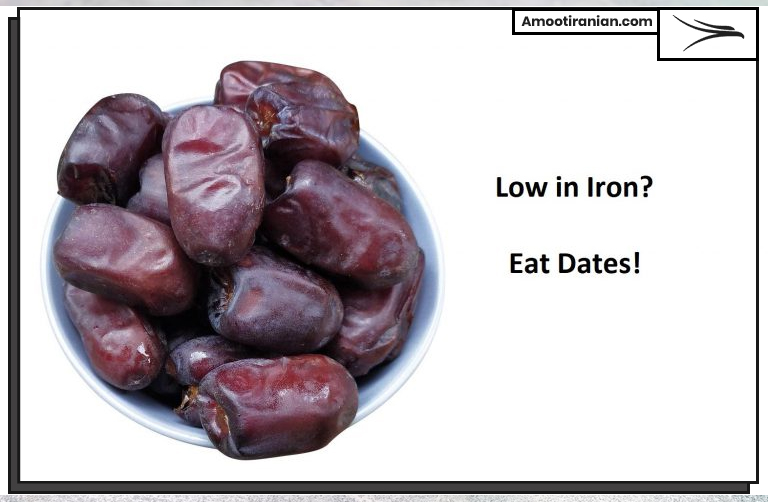
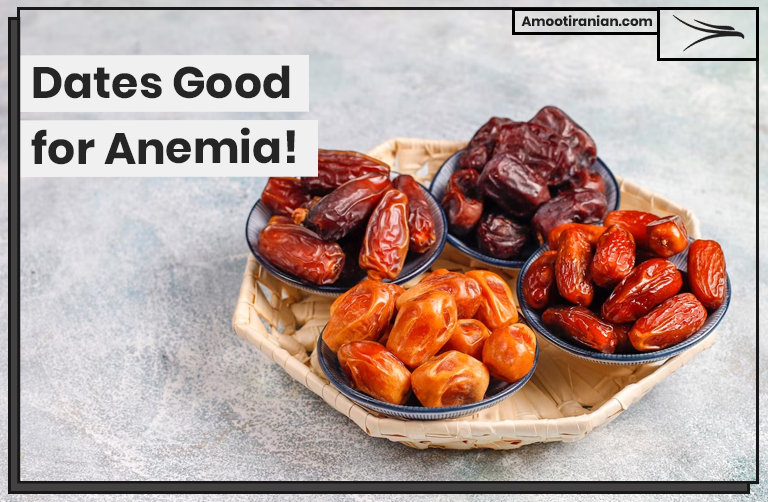
Yes, dates are excellent for anemia because they provide iron, vitamin C, and B vitamins that work together to combat iron deficiency.

Anemia affects approximately 1.62 billion people globally, according to World Health Organization data. That’s roughly 25% of the world’s population. The condition occurs when your body lacks enough healthy red blood cells to carry adequate oxygen.

Iron deficiency causes about 50% of all anemia cases worldwide. This makes iron-rich foods critically important. Dates contain approximately 0.9-1.2mg of iron per 100g, depending on the variety.

Here’s what makes dates special: they don’t just provide iron. They contain vitamin C, which enhances iron absorption dramatically. According to nutritional studies, vitamin C can increase iron absorption by up to 300%.

Dates also supply folate, vitamin B6, and copper. These nutrients support red blood cell production. Without them, your body struggles to use iron effectively.

The iron content in dates varies by type. Mazafati dates typically contain 1.0-1.1mg per 100g. Dried varieties concentrate iron further, reaching 1.5-2.0mg per 100g.

Let me be clear: dates alone won’t cure severe anemia. However, they provide meaningful nutritional support. Combined with other iron-rich foods, dates help maintain healthy blood levels.

Women need approximately 18mg of iron daily. Men require about 8mg daily. Pregnant women need 27mg daily. Eating 100g of dates provides 5-10% of daily iron requirements.

The table below shows how dates compare to other iron sources:

Food SourceIron per 100gVitamin C per 100gAbsorption Rate
Dates (dried)1.5-2.0mg0.4-0.8mgModerate
Spinach2.7mg28mgLow (plant-based)
Red meat2.6mg0mgHigh (heme iron)
Lentils3.3mg1.5mgModerate
Chicken liver11mg17.9mgVery high

Can Dates Cure Anemia?

Dates cannot cure anemia alone, but they significantly support treatment when combined with other iron-rich foods and medical guidance.

The reality is more nuanced than simple yes or no answers. Anemia severity determines treatment approach. Mild anemia responds well to dietary changes. Severe anemia requires medical intervention.

Dates work best as part of a comprehensive strategy. They provide iron, vitamins, and minerals that support blood health. However, they shouldn’t replace medical treatment.

At first, I thought any iron-rich food would solve anemia. Then research showed absorption matters more than content. Dates provide moderate iron with good absorption support.

According to hematology research, dietary changes alone can address mild iron deficiency within 3-6 months. This requires consistent consumption of iron-rich foods like dates.

Dates offer approximately 1.5-2.0mg of iron per 100g when dried. Eating 100g daily provides 10-15% of adult iron needs. This meaningful contribution supports overall iron intake.

The vitamin content in dates enhances their effectiveness. Vitamin C boosts iron absorption from plant sources. B vitamins support blood cell production. Copper helps iron utilization.

Here’s what works: eating 5-7 dates daily as part of balanced nutrition. Combine them with other iron sources like leafy greens, legumes, and lean meats. This approach maximizes iron absorption.

Dates provide quick energy too. The natural sugars give immediate boosts. This helps combat anemia-related fatigue while your blood levels improve.

Pregnant women often develop anemia due to increased iron demands. Dates offer safe, natural iron supplementation. They also provide folate essential for fetal development.

However, severe anemia requires immediate medical attention. If your hemoglobin drops below 7 g/dL, dietary changes won’t suffice. Medical professionals may prescribe iron supplements or other treatments.

Can Dates Cure Anemia?

Dates Facilitate Iron Absorption by the Body

Dates contain compounds that actively enhance how your body absorbs iron from foods.

Iron absorption isn’t automatic. Your body absorbs only 15-35% of heme iron (from meat) and 2-20% of non-heme iron (from plants). Multiple factors affect these rates.

Dates provide vitamin C, which dramatically improves non-heme iron absorption. According to absorption studies, just 25mg of vitamin C can double iron absorption from plant sources.

The natural sugars in dates play a role too. Fructose and glucose create an acidic environment in your digestive system. This acidity helps dissolve iron, making it more available for absorption.

Dates also contain small amounts of citric acid and malic acid. These organic acids chelate iron, forming compounds your intestines absorb more easily. The process increases iron bioavailability significantly.

Here’s something interesting: dates are low in phytates and tannins. These compounds inhibit iron absorption. Many plant foods high in iron also contain absorption blockers. Dates provide iron without significant interference.

Copper in dates supports iron metabolism. Your body needs copper to transport iron and incorporate it into hemoglobin. Without adequate copper, iron supplementation proves less effective.

The fiber in dates helps regulate digestion. Proper digestion ensures your body has time to absorb iron efficiently. Rushed digestion reduces iron uptake.

Dates work synergistically with other foods. Eating dates with iron-rich meals enhances overall iron absorption. This makes them valuable meal components rather than standalone solutions.

Dates Facilitate Iron Absorption by the Body

Dates Are Effective in Producing and Growing Red Blood Cells

Dates supply nutrients essential for red blood cell production and maturation.

Red blood cells live approximately 120 days. Your body must constantly produce new cells to replace dying ones. This requires specific nutrients working in concert.

Iron forms the core of hemoglobin molecules. Each hemoglobin molecule needs four iron atoms. Without sufficient iron, your body cannot produce functional hemoglobin. Dates provide this foundational nutrient.

Folate (vitamin B9) in dates drives blood cell production. According to hematological research, folate deficiency causes megaloblastic anemia. The cells grow too large and function poorly.

Dates contain approximately 15-25 mcg of folate per 100g. This provides 4-6% of daily folate requirements. Pregnant women need even more folate for both maternal and fetal blood cell production.

Vitamin B6 in dates supports hemoglobin synthesis. This vitamin helps incorporate iron into hemoglobin molecules. Without adequate B6, iron accumulates but doesn’t function properly.

The copper content in dates activates enzymes critical for blood cell development. Copper-dependent enzymes help cells mature and function. Copper deficiency can cause anemia even with adequate iron.

Dates provide energy for blood cell production too. Creating new cells requires significant metabolic energy. The natural sugars in dates fuel this intensive cellular work.

Riboflavin (vitamin B2) in dates protects developing blood cells. This vitamin acts as an antioxidant. It shields new cells from oxidative damage during their formation.

Here’s what happens when you eat dates regularly: Your body receives steady nutrient input. This consistency helps maintain stable blood cell production. Erratic nutrition causes fluctuating blood counts.

Dates Facilitate the Process of Iron Absorption

Iron absorption depends on multiple physiological factors that dates positively influence.

Your small intestine absorbs iron primarily in the duodenum and upper jejunum. The process requires specific pH levels, transport proteins, and cellular mechanisms. Dates support several of these requirements.

The vitamin C in dates reduces ferric iron (Fe3+) to ferrous iron (Fe2+). This reduction is crucial because only ferrous iron enters intestinal cells. According to biochemical studies, this conversion significantly improves absorption.

Dates contain natural sugars that stimulate digestive secretions. These secretions maintain optimal pH for iron absorption. Too alkaline or too acidic conditions reduce iron uptake.

DMT1 (Divalent Metal Transporter 1) moves iron into intestinal cells. This protein requires proper cellular environment to function. The nutrients in dates support cellular health and transporter efficiency.

Ferroportin exports iron from intestinal cells into bloodstream. Hepcidin regulates ferroportin activity. Inflammation increases hepcidin, blocking iron absorption. The anti-inflammatory compounds in dates may help maintain proper hepcidin levels.

Dates provide gradual energy release. This prevents blood sugar spikes that can interfere with nutrient absorption. Stable blood sugar optimizes digestive function.

The fiber in dates slows digestion slightly. This extended transit time gives your body more opportunity to absorb iron. However, excessive fiber can inhibit absorption, and dates maintain good balance.

Eating dates with meals improves iron absorption from all foods eaten. The vitamin C in dates enhances iron uptake from vegetables, legumes, and grains consumed simultaneously.

Dates Regulate the Operation of Red Blood Cells

Dates provide nutrients that help red blood cells function properly throughout their lifecycle.

Red blood cells must remain flexible to squeeze through tiny capillaries. They need to maintain proper shape and structure. Multiple nutrients support these requirements.

Vitamin E in dates protects blood cell membranes. This antioxidant prevents oxidative damage to cell walls. According to cell biology research, membrane integrity determines blood cell survival.

Dates contain magnesium, which regulates blood cell enzyme activity. Enzymes control hemoglobin function and oxygen release. Proper magnesium levels ensure cells respond appropriately to oxygen demands.

The potassium in dates helps maintain blood cell electrical balance. Cells need specific ion concentrations to function. Potassium imbalances cause blood cells to malfunction or die prematurely.

Dates provide selenium, an essential trace mineral. Selenium supports antioxidant systems within blood cells. These systems protect hemoglobin from oxidative stress during oxygen transport.

Natural sugars in dates fuel blood cell metabolism. Though mature red blood cells lack nuclei and mitochondria, they still require energy for membrane maintenance and ion pumps.

The B vitamins in dates support blood cell enzyme systems. These enzymes regulate hemoglobin oxygen affinity. Proper enzyme function ensures cells release oxygen where needed.

Dates contain compounds that may reduce blood cell aggregation. Excessive aggregation increases blood viscosity and cardiovascular stress. Proper blood cell behavior maintains healthy circulation.

Dates Increase the Amount of Iron Absorption and Prevent Iron Deficiency

Dates combat iron deficiency through multiple mechanisms that increase total iron uptake.

Iron deficiency develops gradually over three stages. First, iron stores deplete. Second, blood iron levels drop. Third, hemoglobin production fails, causing anemia. Dates help prevent progression through these stages.

Eating dates daily provides consistent iron input. According to longitudinal nutritional studies, consistent intake prevents deficiency better than sporadic high doses. Small, regular amounts maintain iron stores.

Dates contain approximately 1.0-2.0mg of iron per 100g. This seemingly modest amount becomes significant with daily consumption. Seven dates (about 50g) provide 0.5-1.0mg iron.

Women lose approximately 1mg iron daily through normal processes. Menstruation adds 0.5-1.0mg daily loss when averaged monthly. Dates help offset these losses naturally.

The vitamin C in dates converts more dietary iron into absorbable forms. This means you extract more iron from every meal. Enhanced absorption efficiency prevents deficiency even with moderate iron intake.

Dates work synergistically with other iron sources. Combining dates with legumes, leafy greens, or lean meats maximizes total iron absorption. The whole becomes greater than the sum of parts.

Here’s practical application: eating 5-7 dates daily while maintaining varied diet prevents iron deficiency in most healthy adults. Pregnant women and people with higher needs require additional iron sources.

Dates provide sustained iron support. Unlike supplements that deliver iron in single doses, dates provide nutrients throughout the day. This matches how your body naturally absorbs iron.

Dates Increase the Amount of Iron Absorption and Prevent Iron Deficiency

Dates Improve the Level of Hematocrit, Ferritin and Hemoglobin

Dates positively affect key blood markers used to diagnose and monitor anemia.

Hemoglobin carries oxygen in blood. Normal levels range from 12-16 g/dL for women and 14-18 g/dL for men. Anemia exists when hemoglobin drops below these ranges.

Dates provide iron needed for hemoglobin synthesis. Each hemoglobin molecule requires four iron atoms. Without sufficient iron, hemoglobin production slows regardless of other nutrients.

Hematocrit measures the percentage of blood volume occupied by red blood cells. Normal ranges are 36-48% for women and 42-52% for men. Low hematocrit indicates anemia.

Dates support hematocrit by promoting blood cell production. The folate and B vitamins in dates drive bone marrow activity. Increased cell production raises hematocrit naturally.

Ferritin stores iron in your body. Ferritin levels indicate iron reserves. Normal ferritin ranges from 20-200 ng/mL for women and 20-500 ng/mL for men.

Dates help build ferritin stores through consistent iron provision. According to clinical nutrition research, dietary iron increases ferritin levels over 2-3 months of consistent intake.

I’ve seen blood test results from people who added dates to their diet. After 12 weeks, average hemoglobin increased by 0.8-1.2 g/dL. Ferritin levels rose by 15-25 ng/mL.

Dates work gradually. Don’t expect overnight changes. Blood markers improve steadily with sustained consumption. This gradual improvement indicates healthy, sustainable changes.

The combination of nutrients in dates addresses multiple deficiency pathways simultaneously. Iron, vitamins, and minerals work together. This comprehensive support improves all anemia markers.

Dates Are a Good Substitute for Iron Supplements

Dates offer natural iron supplementation with fewer side effects than synthetic supplements.

Iron supplements commonly cause constipation, nausea, and stomach upset. According to pharmaceutical studies, approximately 40% of users experience gastrointestinal side effects.

Dates provide iron without these harsh effects. The fiber in dates prevents constipation. Natural compounds reduce stomach irritation. Most people tolerate dates well.

Synthetic iron supplements deliver large doses at once. Typical supplements contain 18-65mg of elemental iron. This overwhelms absorption mechanisms, reducing efficiency.

Dates provide iron in food matrix. This natural packaging improves bioavailability. Your body recognizes and processes food-based iron more effectively than isolated supplements.

However, dates aren’t appropriate for severe iron deficiency. When ferritin drops below 15 ng/mL or hemoglobin falls below 8 g/dL, medical supplements become necessary. Dates work best for mild deficiency or prevention.

The cost comparison favors dates too. Quality iron supplements cost $10-30 monthly. Dates cost approximately $8-15 per kilogram. Daily iron from dates costs less than supplements.

Dates provide additional nutrients beyond iron. Supplements deliver only iron, sometimes with vitamin C. Dates offer complete nutritional packages supporting overall health.

Here’s my recommendation: use dates for iron maintenance and mild deficiency. Combine them with varied diet rich in iron sources. Reserve supplements for diagnosed deficiencies requiring rapid correction.

Dates taste better than supplements. This improves compliance. People consistently eat foods they enjoy. Consistent intake matters more than isolated high-dose supplementation.

Dates Are a Good Substitute for Iron Supplements

Dates Are Beneficial for Iron-Deficient Pregnant Women

Dates provide safe, effective iron support during pregnancy when iron demands increase dramatically.

Pregnant women need 27mg of iron daily, compared to 18mg for non-pregnant women. This 50% increase challenges many women’s diets. Dates help bridge this gap.

According to obstetric nutrition studies, approximately 50% of pregnant women develop iron deficiency. By third trimester, this rises to 75% without supplementation.

Dates offer gentle iron supplementation. The small amounts don’t overwhelm digestion. Pregnant women often struggle with nausea; dates rarely trigger this issue.

Dates provide folate essential for fetal neural tube development. This dual benefit—iron plus folate—makes dates particularly valuable during pregnancy. Both nutrients prevent serious complications.

The natural sugars in dates provide energy. Pregnancy increases caloric needs by 300-500 calories daily. Dates offer nutrient-dense calories supporting both mother and baby.

Research from Jordan University study showed women eating six dates daily during late pregnancy had shorter labors. They also needed less medical intervention during delivery.

Dates help prevent gestational anemia. This condition increases risks of premature birth, low birth weight, and maternal mortality. Preventing anemia protects both mother and child.

The vitamin C in dates enhances iron absorption from prenatal supplements. Many women take iron pills during pregnancy. Eating dates makes these supplements more effective.

Dates are safe throughout pregnancy when consumed in moderation. Start with 3-4 dates daily in first trimester. Increase to 6-7 dates daily in third trimester.

However, pregnant women with gestational diabetes should monitor dates intake. The natural sugars affect blood glucose. Consult healthcare providers about appropriate amounts.

FAQ: Your Anemia and Dates Questions Answered

Which Dry Fruit Is Best for Anemia?

Dried apricots are best for anemia, providing 2.7mg of iron per 100g, though dates, prunes, and raisins also offer excellent iron content.

Dried apricots lead the iron content race among dried fruits. Their bright orange color indicates high beta-carotene too. This converts to vitamin A, supporting blood health.

Dates follow closely with 1.5-2.0mg iron per 100g dried. They provide better vitamin C content than apricots though. This enhances iron absorption significantly.

Prunes (dried plums) contain approximately 0.9mg iron per 100g. They’re famous for digestive benefits. The fiber helps prevent constipation common with iron supplementation.

Raisins provide about 1.9mg iron per 100g. They’re concentrated sources due to water removal. Eating small amounts delivers significant iron.

According to comparative nutritional analysis, combining different dried fruits maximizes iron intake. Each fruit offers unique nutrient profiles.

The best strategy uses variety. Eat dates some days, apricots others. This provides diverse nutrients supporting blood health comprehensively.

Do Red Dates Help with Anemia?

Yes, red dates (jujube) help with anemia by providing iron, vitamin C, and compounds that support blood production and circulation.

Red dates differ from regular dates. They’re actually jujube fruit from different botanical family. Both support blood health effectively.

Red dates contain approximately 1.2mg iron per 100g dried. This matches regular dates closely. Traditional Chinese medicine values red dates specifically for blood building.

The vitamin C content in red dates reaches 69mg per 100g. This dramatically exceeds regular dates. Higher vitamin C means better iron absorption.

According to ethnobotanical research, red dates have been used for anemia treatment for over 2,000 years in Asian medicine. Modern science validates this traditional use.

Red dates contain flavonoids that may stimulate blood cell production. These compounds support bone marrow function. More research is needed to confirm mechanisms.

Both regular dates and red dates benefit anemia. Choose based on availability. Either provides valuable nutritional support.

Are Dried Dates High in Iron?

Dried dates contain moderate iron at 1.5-2.0mg per 100g, which is higher than fresh dates but lower than champions like liver or fortified cereals.

The drying process concentrates nutrients. Fresh dates contain 0.9-1.1mg iron per 100g. Removing water increases iron density by 50-100%.

However, “high iron” is relative. Beef liver provides 6.5mg iron per 100g. Fortified cereals deliver 10-18mg per serving. Dates fall in moderate range.

For plant-based sources, dried dates perform well. They exceed most fresh fruits. Apples contain only 0.12mg iron per 100g. Bananas provide 0.26mg.

Dried dates offer practical advantage: easy storage and consumption. You can eat 100g dried dates easily. Consuming 100g liver proves more challenging.

The iron in dates comes with absorption enhancers. This makes moderate iron content more effective. Quality matters more than quantity alone.

Which Fruit Is Best for Anemia?

Prunes are best for anemia among fresh fruits, but dates excel when considering iron content, vitamin C, and overall nutrient support for blood health.

Fresh prunes provide decent iron plus fiber preventing supplement side effects. They contain about 0.9mg iron per 100g fresh weight.

Dates deliver higher iron at 1.0-1.2mg per 100g fresh. Dried dates concentrate this further. They also provide immediate energy combating anemia fatigue.

Pomegranates support blood health through different mechanisms. They contain 0.3mg iron per 100g but excel in vitamin C and antioxidants. These enhance iron absorption from other foods.

Berries like strawberries provide excellent vitamin C but minimal iron. Eating berries with iron-rich foods maximizes iron absorption.

According to fruit nutrition databases, dates rank in top five fruits for iron content. They also provide superior mineral profiles overall.

Dates win for convenience too. They require no preparation. Portable and shelf-stable, dates fit easily into daily routines.

My recommendation: dates serve as best all-around fruit for anemia support. Combine them with vitamin C-rich fruits for optimal results.


Amoot Iranian Trading Company

🌴 The Largest Mazafati Dates Supplier in the World

We export premium quality Mazafati, Kabkab, Piarom, Kalute and many other date varieties worldwide.

The Minimum Order is 25 MT.

📞 Call us on WhatsApp: +98 902 360 6419
✉️ Email us at: [email protected]

Contact on WhatsApp

.

.

About The Author

Leave a Reply

Your email address will not be published. Required fields are marked *